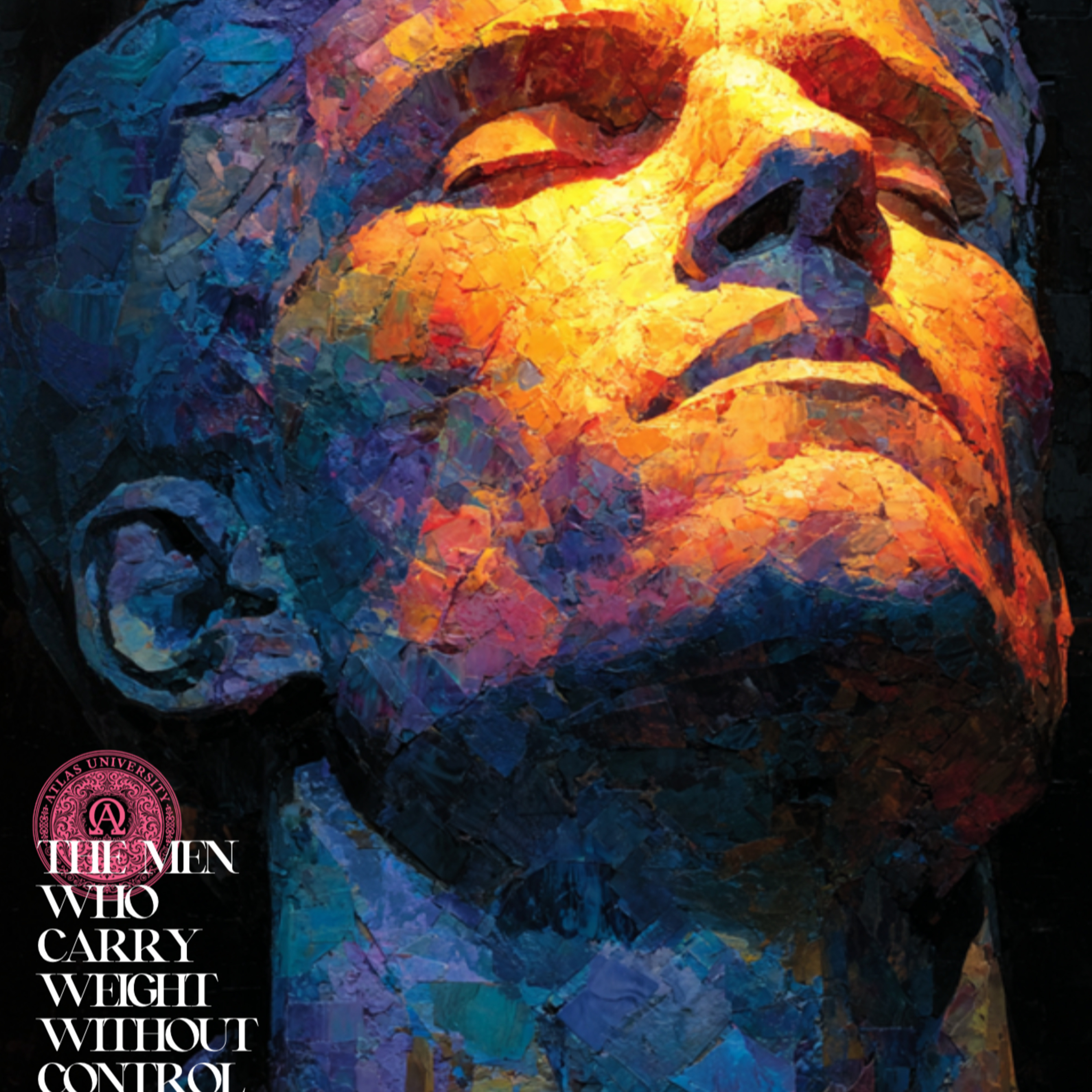
This book explores a Biblical reconstruction of leadership, arguing that original New Testament roles like shepherd, elder, and overseer were functional descriptions rather than institutional ranks. Over time, these fluid, relational responsibilities were historically transformed into centralized positions of authority, creating "thrones" out of what were meant to be humble services. The author contends that true spiritual maturity involves distributed responsibility and shared plurality, which prevents any single person from becoming a mediating layer between individuals and truth. By reclaiming the identity of a servant and steward, a man can carry significant weight without turning influence into control or domination. Ultimately, the work emphasizes that a healthy community is not built on efficient hierarchies but on internally governed individuals who remain directly aligned under the headship of Yeshua. This framework seeks to replace passive dependence on a "clergy" class with a resilient, active body of fellow workers and disciples.