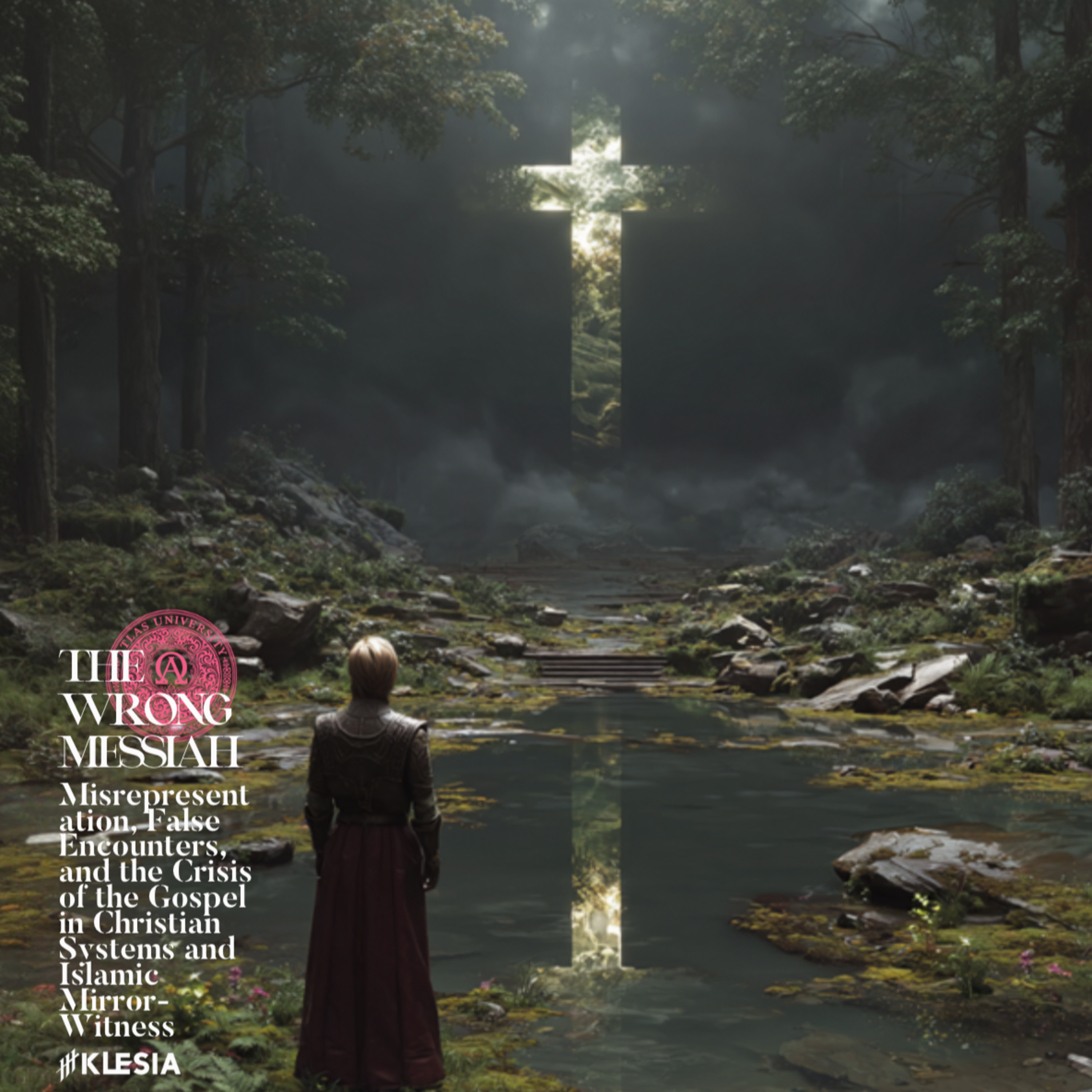
This book introduces a theological critique of modern religious systems, focusing on how institutions often present a "bent Messiah" that lacks the moral weight and canonical integrity of the historical Yeshua. The author argues that religious communities frequently substitute genuine spiritual encounters with "substitution engines" like tribal identity, emotional intensity, or institutional compliance, leading to false conversions and unjust rejections. By prioritizing survival and social control over truth, these systems manufacture "false positives" who have confidence without transformation and "false negatives" who are morally justified in rejecting distorted caricatures of faith. The work challenges the assumption that "exposure equals accountability," asserting that a person is not responsible for rejecting a message that has been drained of its scriptural essence. Ultimately, the text calls for a "restoration of the portrait" of the Messiah through a rigorous examination of how the gospel is lived and experienced rather than merely how it is officially defined.