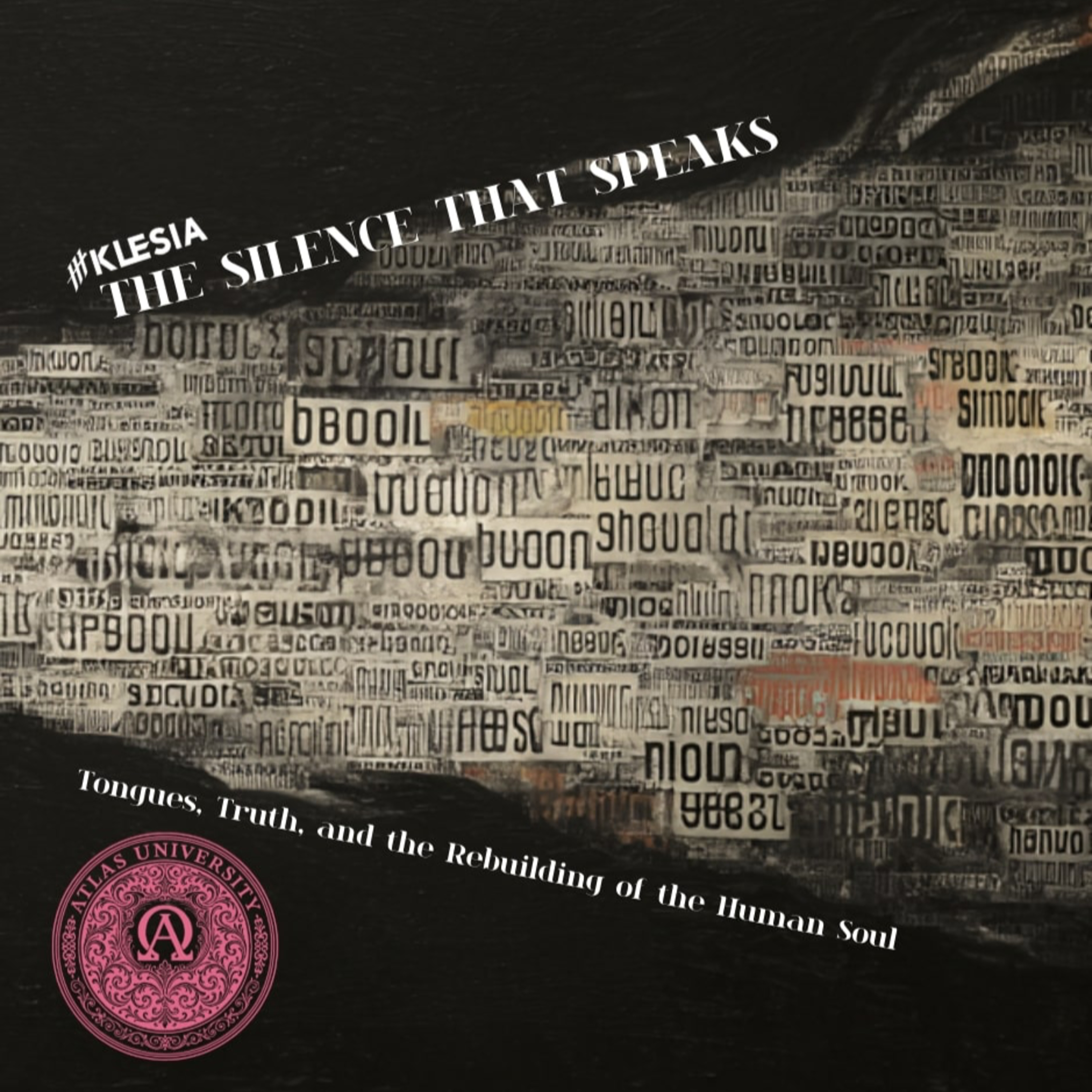
This book examines the historical and theological evolution of the modern "tongues" phenomenon, tracing its origins to a specific doctrinal shift in 1901. The author argues that contemporary ecstatic speech lacks the linguistic structure found in the New Testament and is instead a product of neurological arousal and social conditioning. By prioritizing intense emotional experience over spiritual formation, modern movements have inadvertently created a system of psychological pressure and institutional control. The text critiques how this focus on sensation leads to spiritual exhaustion and a fragmentation of the self. Ultimately, the work advocates for a return to ancient stillness, self-emptying, and a grounded alignment with reality as the true path to transformation. It calls for a move away from religious spectacle toward a disciplined inner life modeled after the character of Christ.