Guide: Asher Altshul
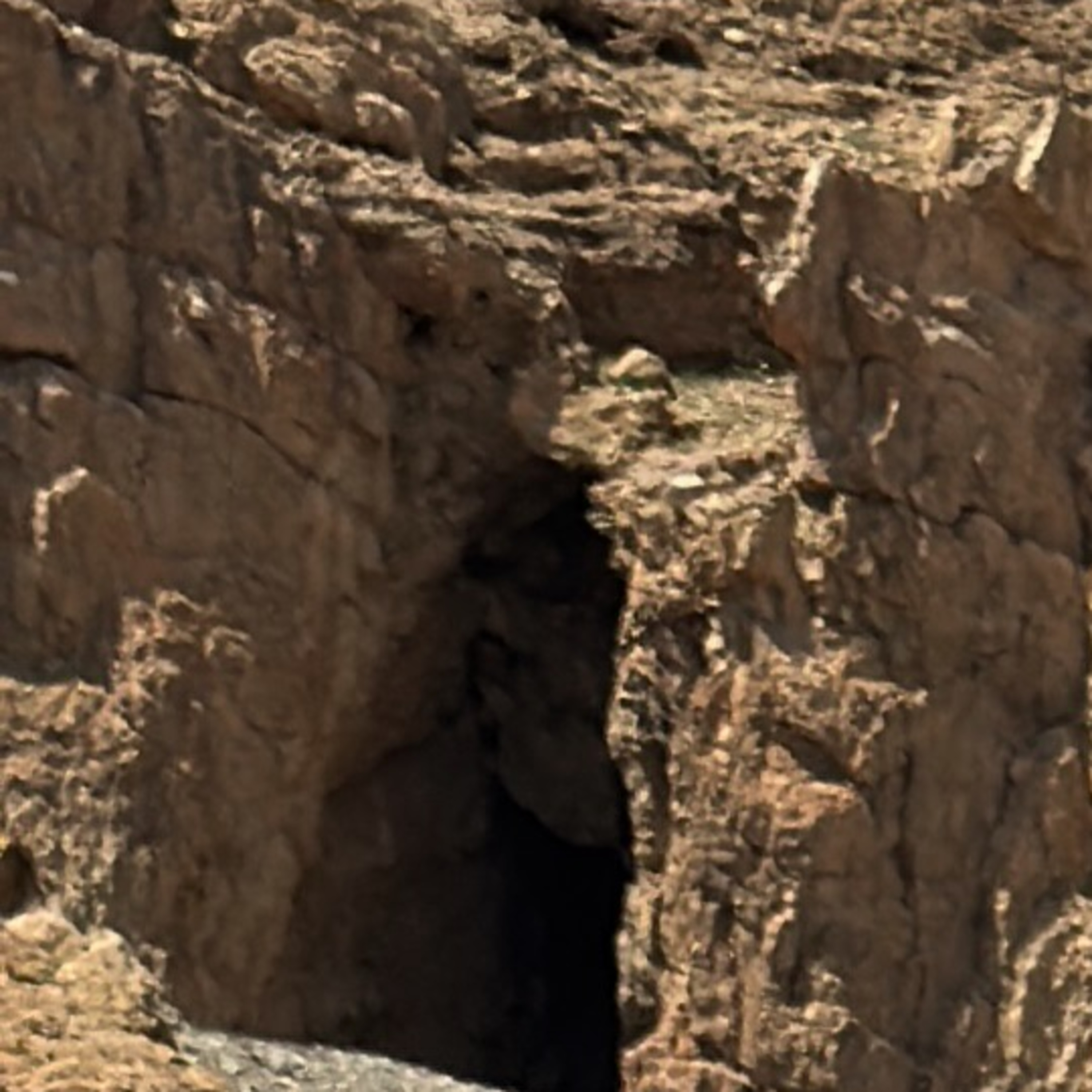
These excerpts recount the story of the discovery of the Dead Sea Scrolls near the ancient site of Qumran. The narrative explains how Bedouin shepherds initially stumbled upon scrolls in a cave in 1947, which led to further exploration and the finding of hundreds of manuscripts in multiple caves. The sources discuss the content of the scrolls, including biblical and unique texts describing a strict communal life, which aligns with descriptions of the Essenes, a Jewish sect. Archaeological excavations at Qumran, particularly the presence of numerous ritual baths (mikvahs), a scriptorium, and evidence of communal meals and burials, are presented as supporting the idea that this was the settlement of the group who wrote or collected the scrolls. However, alternative theories proposing the site was a wealthy manor house or a place to hide temple treasures are also mentioned, acknowledging the ongoing debate about the identity of the inhabitants and their connection to the scrolls. The impact of the scrolls on the study of biblical texts and Second Temple Judaism is highlighted as being highly significant.