𝐄𝐩𝐢𝐬𝐨𝐝𝐞 𝐒𝐮𝐦𝐦𝐚𝐫𝐲:
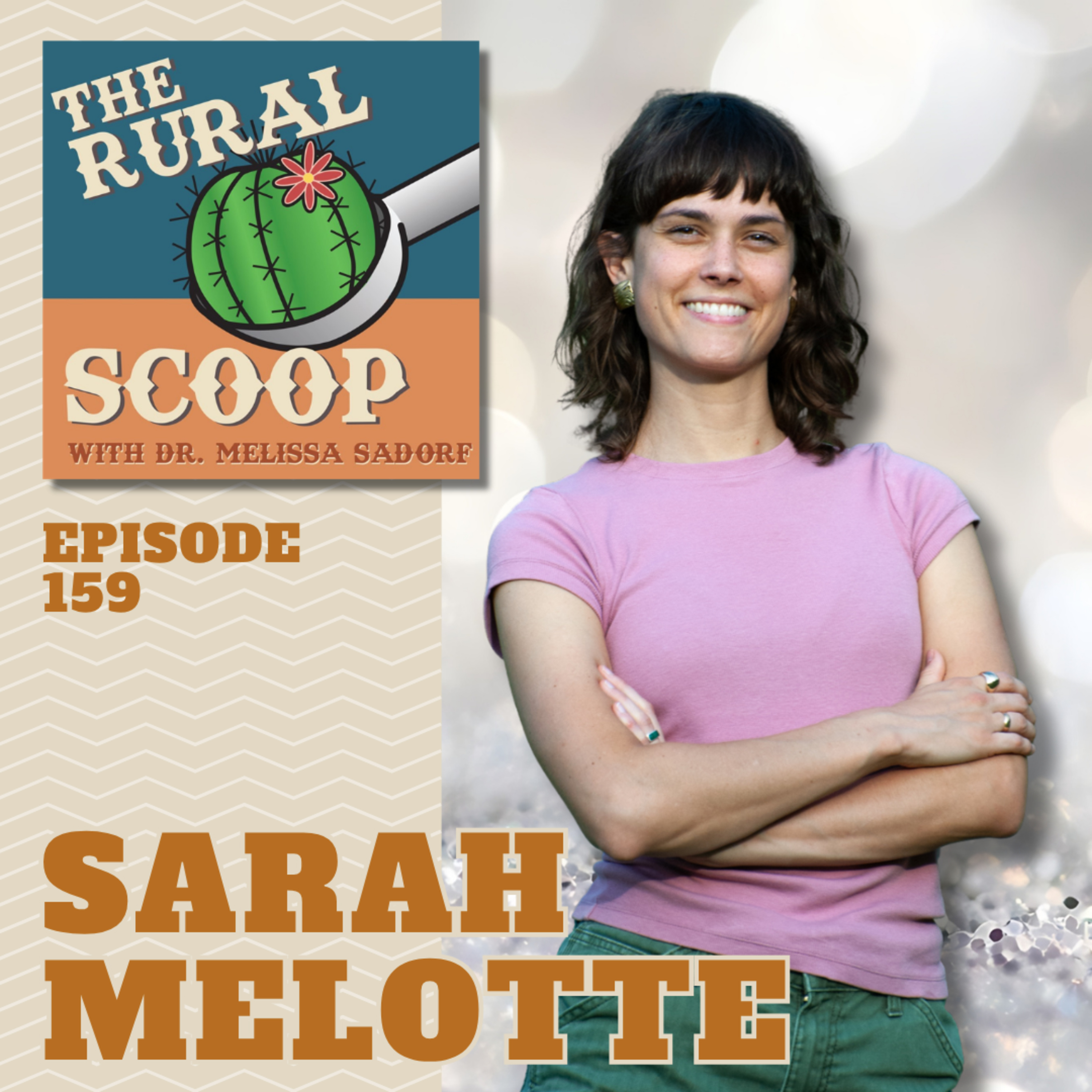
Rural America is often discussed as a single story, but the reality is far more complex. In this episode, Dr. Melissa Sadorf sits down with Sarah Melotte, writer and data editor for The Daily Yonder, to explore the population shifts reshaping rural communities across the country.
Drawing from her recent reporting, Sarah explains why rural America can be growing overall while nearly half of all rural counties continue to lose population. The conversation examines the roles of natural decrease, out-migration, immigration, economic transitions, housing pressures, and workforce challenges. Sarah also shares insights on how data can help school leaders, policymakers, and community members better understand local trends rather than relying on national narratives.
The discussion highlights the importance of looking beyond headlines, understanding regional differences, and using data storytelling to uncover the realities facing rural communities today.
𝐓𝐢𝐦𝐞 𝐒𝐭𝐚𝐦𝐩𝐬:
00:00 Welcome and Overview
02:16 Meet Sarah Milott
04:25 Rural Myths and Data
06:41 Half Losing Population
08:36 Immigration Drives Growth
10:15 Natural Decrease Explained
14:02 Schools as Community Anchors
16:06 Tracking County Data
18:35 Appalachia and Extraction
20:57 Recreation Boom Tradeoffs
25:28 Cost of Living Poll
29:22 Telling Stories With Data
33:42 Defining Rural Precisely
36:24 Whats Next for Sarah
37:39 Rural Advantage Closing
39:27 Contact and Final Wrap
𝐂𝐥𝐨𝐬𝐢𝐧𝐠 𝐒𝐮𝐦𝐦𝐚𝐫𝐲:
Sarah Melotte reminds us that understanding rural America requires looking beyond averages and headlines. Whether discussing population shifts, economic transitions, housing challenges, or community resilience, the most important stories often emerge when data is examined at the local level. For rural educators, policymakers, and community leaders, this episode offers practical insights into the demographic forces shaping their communities and reinforces the importance of using both data and storytelling to inform decisions that strengthen rural places for future generations.