AI That Actually Works for Small Business: Practical AIGC, DIY Hosting, and Prompting Playbooks
Summary
Want AI to save time and money — not create more complexity?
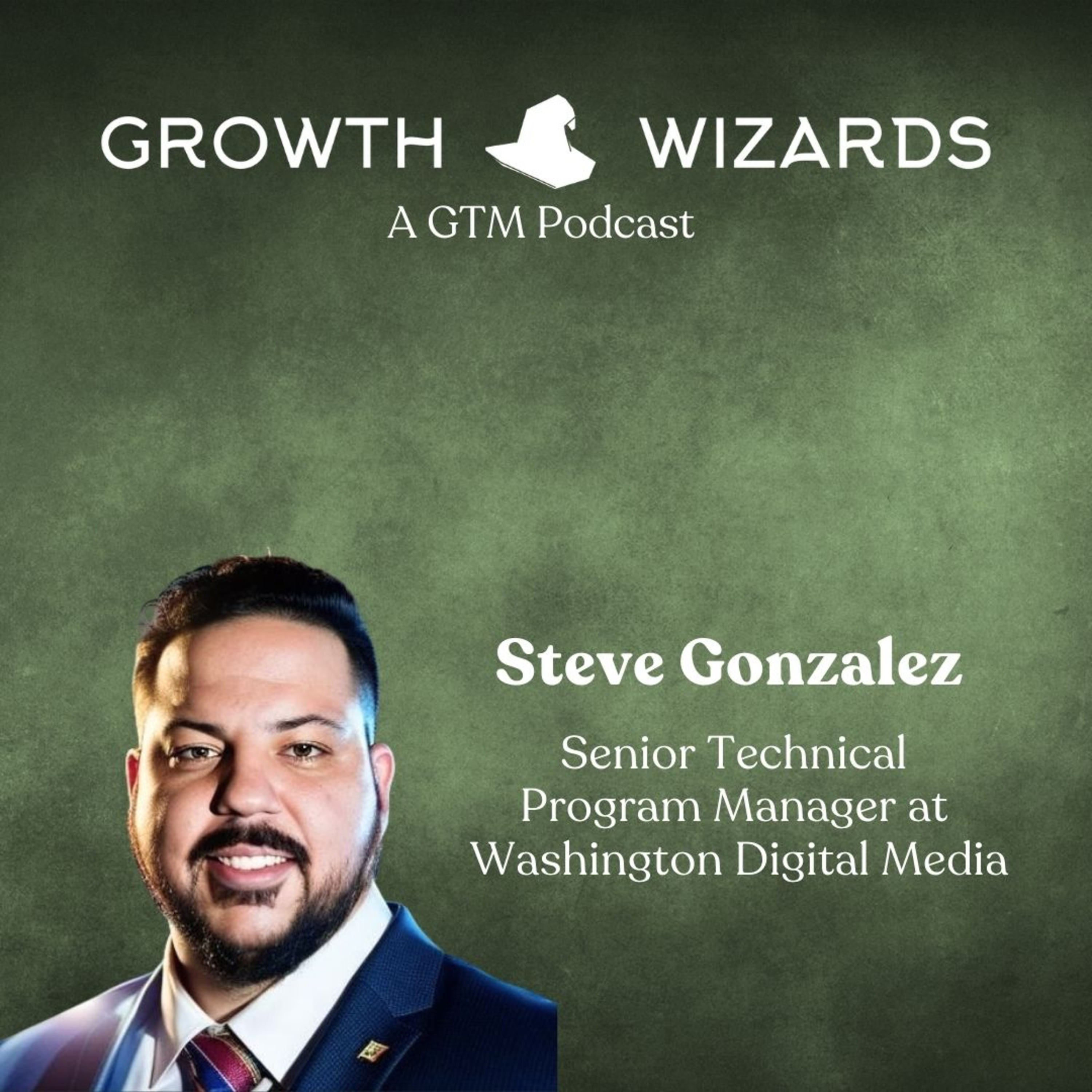
Steve Gonzalez, Senior Technical Program Manager at Washington Digital Media and fractional CMO, lays out practical ways small businesses can adopt AI without getting trapped in endless SaaS subscriptions.
Steve blends hands-on tech (hosting on a NAS, Cloudflare protection, Google Calendar integrations) with creative marketing: AI-generated UGC, hybrid real/AI content, and case studies like Dudley Beauty School.
He also covers the near-future of VR/Web3, data/licensing issues around faces and content, and concrete prompting and MVP workflows that deliver scalable ROI.
Listen for step-by-step tactics to reduce costs, run better experiments, and get predictable results from AI.
Timestamps
[00:22] – Guest intro: Steve’s background and mission helping creatives adopt tech
[01:47] – How AI is reshaping marketing and closing time/budget gaps
[03:14] – Tool scouting: consistency, quality, and avoiding subscription bloat
[05:24] – DIY digital architecture: booking, hosting on a NAS, Cloudflare example (whenisteveavailable.com)
[06:56] – The next frontier: VR/Web3 commercial opportunities for small businesses
[09:33] – Case study: Dudley Beauty School — mixing AIGC + real UGC across the funnel
[12:36] – Rights, licensing, and the ethics of using faces and AI-generated likenesses
[17:50] – Prompting & build strategy: ask first, breadcrumb features, and iterate with MVPs
Takeaways
- Audit and simplify your stack: replace recurring SaaS where a lightweight self-hosted or open-source setup suffices.
- Start with a clear end goal: reverse-engineer outcomes before prompting an LLM.
- Prompt strategically: answer who/what/when/where/why, speak your prompt, then refine incrementally.
- Build incrementally: ship an MVP, then layer features and different AI tools to scale.
- Isolate AI contexts: use separate AI accounts or instances per client to avoid data bleed and get tailored outputs.
- Measure ROI early: run rapid experiments, track outcomes (time + money), and scale only the winners.