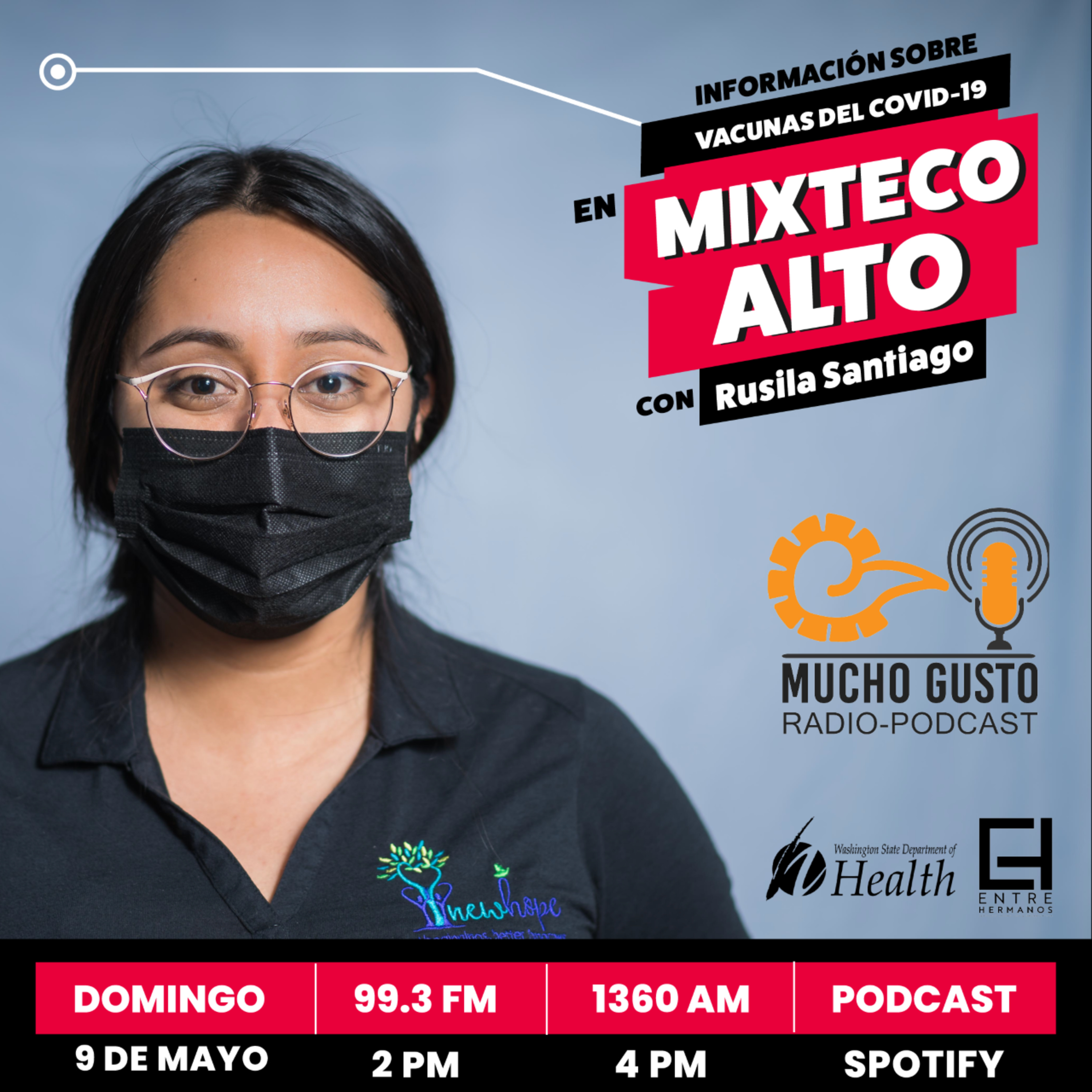
The traditional range of the Mixtec languages is the region known as La Mixteca, which is shared by the states of Oaxaca, Puebla and Guerrero. Because of migration from this region, mostly as a result of extreme poverty, the Mixtec languages have expanded to Mexico's main urban areas, particularly the State of México and the Federal District, to certain agricultural areas such as the San Quintín valley in Baja California and parts of Morelos and Sonora, and into the United States. In 2012, Natividad Medical Center of Salinas, California had trained medical interpreters bilingual in Mixtec as well as in Spanish;[8] in March 2014, Natividad Medical Foundation launched Indigenous Interpreting+, "a community and medical interpreting business specializing in indigenous languages from Mexico and Central and South America," including Mixtec, Trique, Zapotec, and Chatino.[9][10]