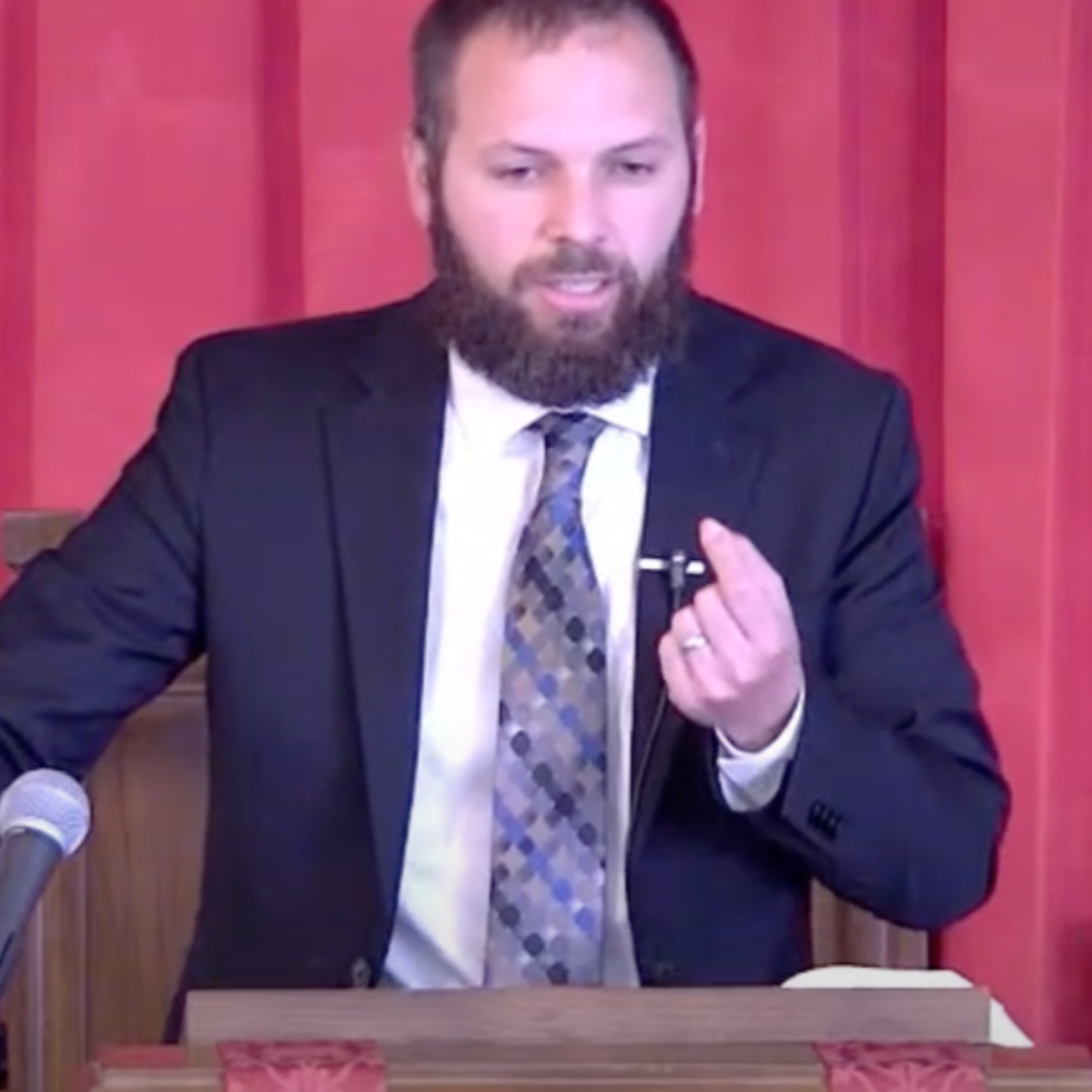
Many Christians assume that the doctrine of the Trinity is either absent from the Old Testament or present only in vague, implicit form. Even defenders of Trinitarian theology often hesitate to argue that the Old Testament itself clearly taught a plurality of persons within the one God.In this video, I argue that this hesitation is unnecessary—and historically inaccurate.Building on earlier discussions of the Angel of the LORD, I approach the question from a different angle: Was the distinction of persons within the Godhead actually common knowledge among the people of God in the Old Testament?By examining the account of Manoah and his wife in Judges 13, we see not only that the Angel of the LORD is clearly distinguished from God and yet identified as God, but that Manoah’s reasoning assumes this reality as already known. Manoah does not invent a new theological category. Rather, when the Angel of the LORD receives sacrifice and ascends in the flame of the altar, Manoah immediately concludes, “We have seen God.”This recognition only makes sense if it was already understood that the Angel of the LORD could receive worship as God while remaining distinct from God.To show that this was not an isolated or late development, we also consider Hagar’s encounter with the Angel of the LORD in Genesis 16, where the same logic appears—again without controversy, explanation, or correction.The argument, then, is not merely that the Trinity can be derived from the Old Testament, but that a plurality of persons within the one God was part of the shared theological framework of God’s people long before the New Testament era.Far from being a later invention, Trinitarian theology reflects what God had already revealed about himself from the earliest periods of redemptive history.#Trinity #OldTestamentTheology #AngelOfTheLord #BiblicalTheology #ChristianDoctrine #Messiah #Judges13 #Genesis16 #ReformedTheology #ChristInTheOT