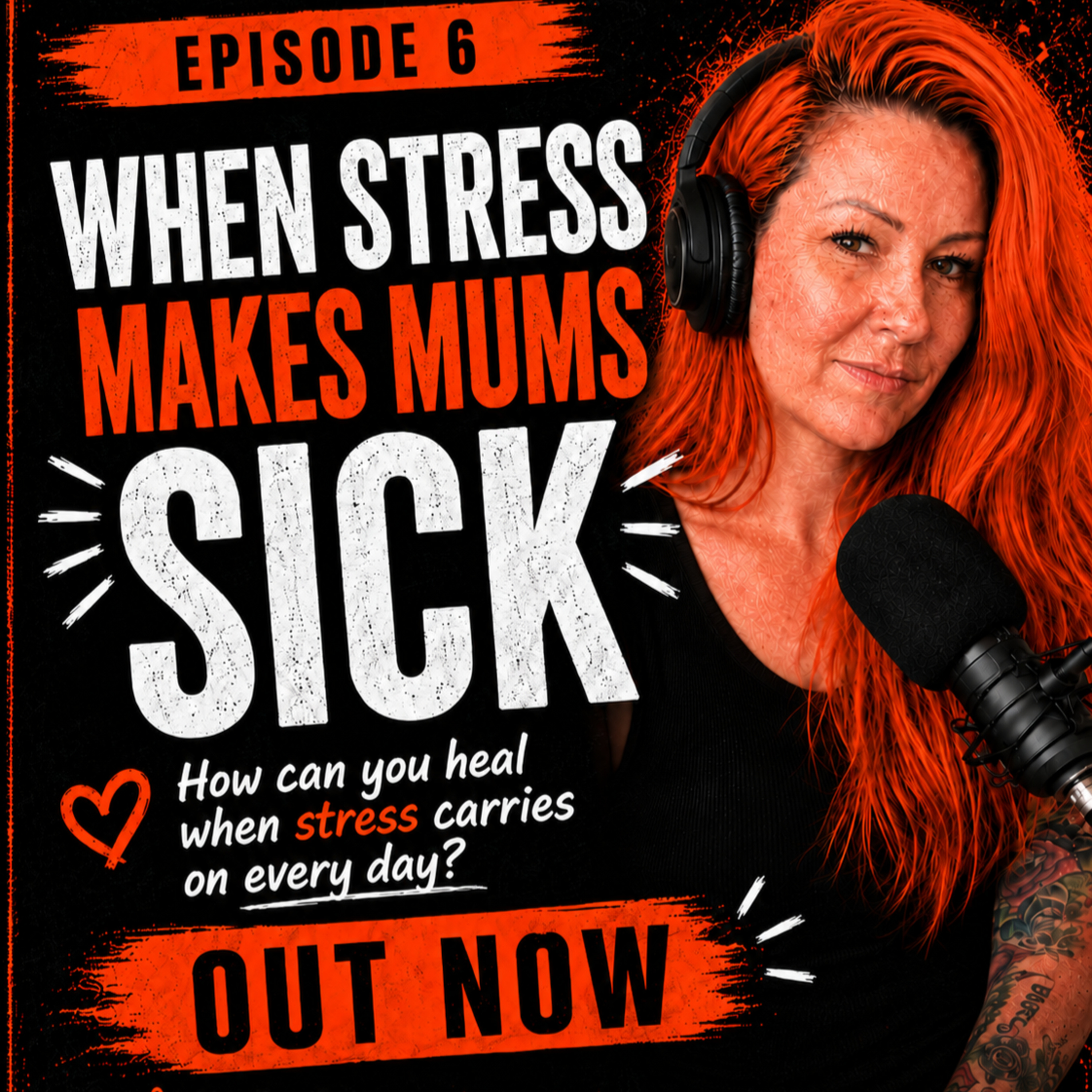
This episode is for the mums and carers who are exhausted, wired, sick, overwhelmed and hanging on by a thread.
So many special needs mums are dealing with chronic pain, migraines, gut issues, insomnia, hormonal chaos, panic attacks, inflammation, hospital admissions and bodies that feel like they are completely shutting down.
And the hardest part?
Most mums don't even have time to go to their own appointments.
In this episode, Jade talks about what prolonged caregiving stress actually does to the body, why living in constant hypervigilance changes your nervous system, and why you are not too dramatic or “bad at coping.”
This is also a big conversation about the question so many mums ask:
“How can you heal when the stress carries on every day?”
Jade explains why healing does not mean your life suddenly becomes easy. It means your nervous system slowly builds more capacity inside the life you already have.
You’ll hear about:
• why special needs mums are getting physically sick
• what chronic stress does to the nervous system
• why holidays, breaks and respite do not always repair burnout
• the difference between rest and nervous system repair
• why talk therapy and counselling can help the mind, but the body may still feel stuck in survival mode
• how somatic healing helps change your baseline
• why tiny moments of safety can build real capacity over time
• why Jade is collecting survey responses from Australian parents and carers and advocating for more support
This episode ends with a short, gentle somatic practice you can do in under a minute.
If this one hits home, please share it with another mum who needs to know she is not broken.
LINKS / RESOURCES
Free resources: https://soulshiftforcarers.com/resources
1:1 somatic sessions: https://soulshiftforcarers.com/sessions
Anchored Mum Project: https://subscribepage.io/npyzZ0
Survey for Australian parents and carers: https://forms.gle/HNAuvZntqZk3uPWt5
CONTENT NOTE
This episode includes honest discussion of burnout, chronic stress, carer health impacts and a little swearing.