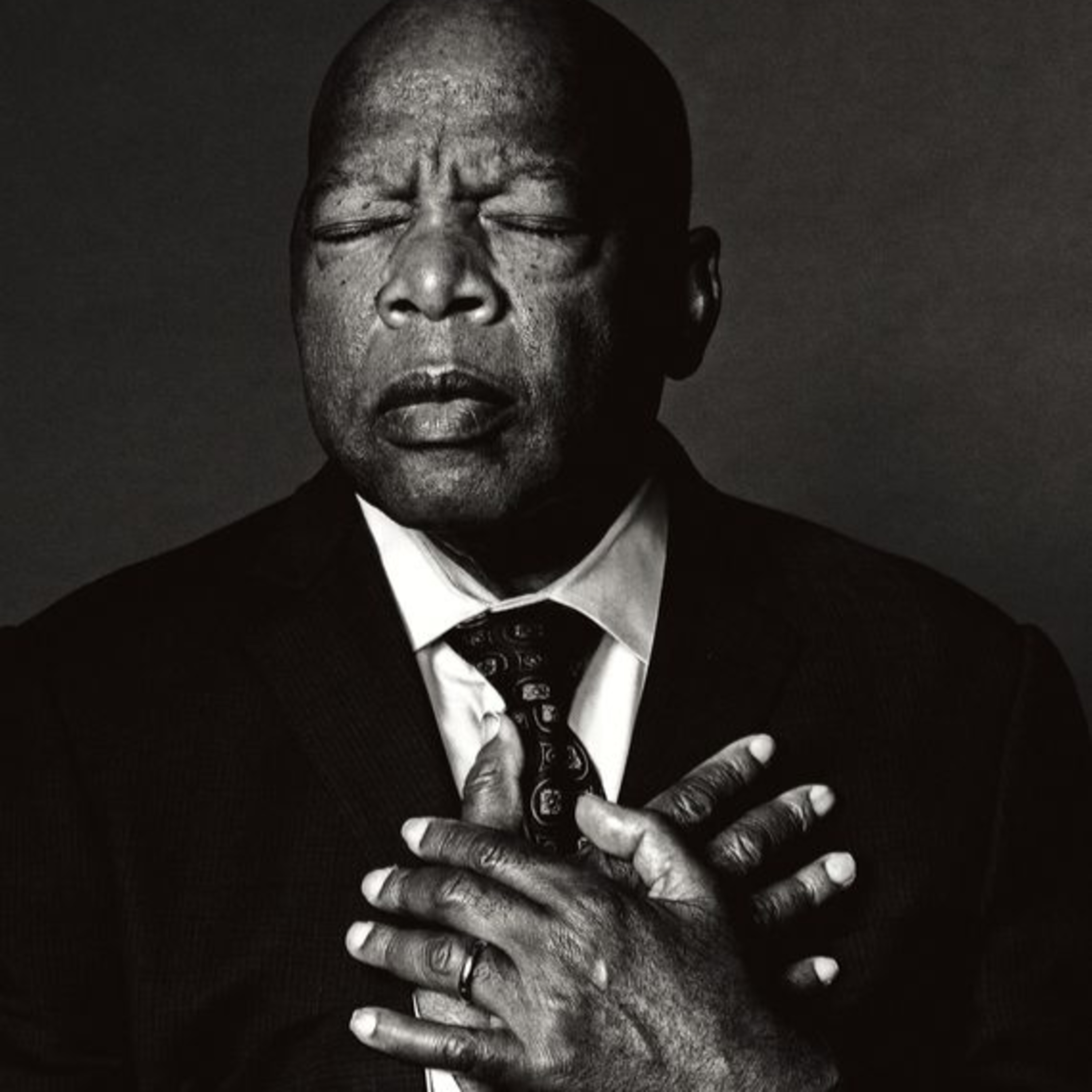
If someone had told me in 1963 that one day I would be in Congress, I would have said, 'You're crazy. You don't know what you're talking about.' John Lewis
Rep. John R. Lewis, the civil rights icon whose fight for racial justice began in the Jim Crow south and ended in the halls of Congress, died Friday night.
The Georgia lawmaker had been suffering from Stage IV pancreatic cancer since December. He was 80.
The son of Alabama sharecroppers, Lewis served in Congress for more than three decades, pushing the causes he championed as an original Freedom Rider challenging segregation, discrimination and injustice in the Deep South – issues reverberating today in the Black Lives Matter movement.
Along with Martin Luther King Jr., he was an organizer of the March on Washington in 1963, a seminal moment in the Civil Rights Movement that led to the passage of voting rights for Blacks two years later.
He became a community activist and member of the Atlanta City Council before winning a seat in Congress in 1986. He would go on to become a best-selling author and in 2011 was awarded the nation's highest civilian award, the Presidential Medal of Freedom, by Barack Obama, the nation's first Black president. Lewis was elected to his 17th term in November 2018.
"Some people were heard to say by sitting down, these young people are standing up for the very best in American tradition," Lewis told USA TODAY in 2013.
"Martin Luther King Jr. was so pleased. He was gratified, He was deeply moved and touched to see this new militancy on the part of the students. He knew then that his message of non-violence and passive resistance would live, and it would be moving around the South, embedded in the very being of these young people."
Arrested, jailed and beaten for challenging Jim Crow laws, Lewis would become a national figure by his early 20s. He later became the youngest of the Big Six civil rights leaders and, at 23, helped organize the March on Washington. There, he provided a keynote speech at the landmark event for civil rights.
"As it stands now, the voting section of this bill will not help the thousands of black people who want to vote," Lewis said. "It will not help the citizens of Mississippi, of Alabama and Georgia who are qualified to vote but lack a sixth-grade education. One man, one vote is the African cry. It is ours, too. It must be ours."
Two years later, he helped organize the voting-rights march in Alabama that became known as "Bloody Sunday," when state troopers attacked demonstrators with tear gas and billy clubs, a nationally televised melee that hastened passage of the Voting Rights Act. Lewis' skull was fractured in the demonstration
Lewis remained the last surviving member of the Big Six, which included King, James Farmer, A. Phillip Randolph, Roy Wilkins, and Whitney Young.