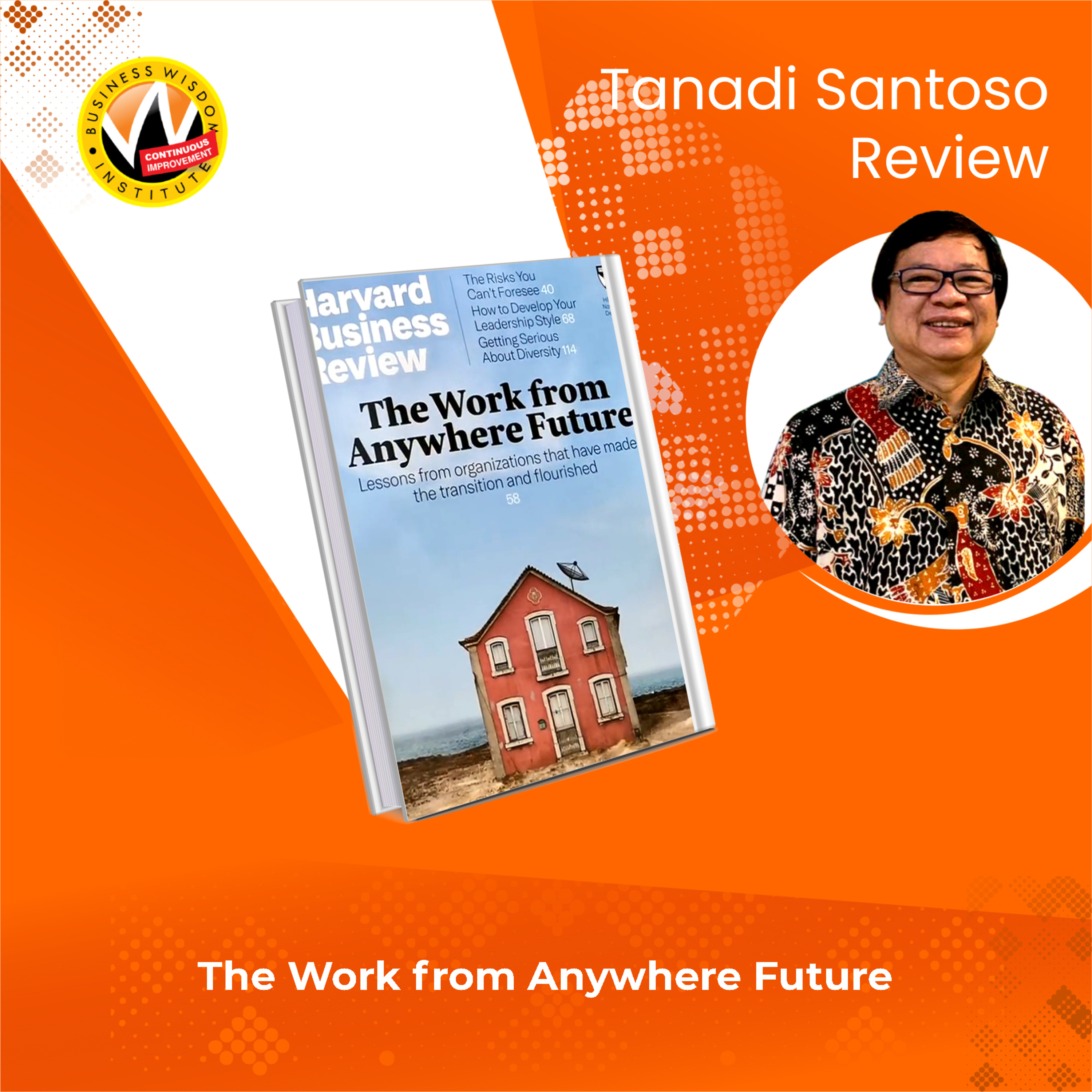
The Harvard Business Review's article, "The Work from Anywhere Future," talking about the challenges and advantages of managing remote teams. Key concerns include communication difficulties, limited brainstorming, and problem-solving when team members are not physically present. While remote work has its drawbacks, such as reduced face-to-face interaction and potential impacts on socializing and performance evaluations, it also offers significant advantages. These include retaining employees who might leave due to location issues and the ability to hire talent from anywhere in the world.
The article suggests that we are on the brink of a revolution in human capital management. It emphasizes the need for careful implementation of remote work policies, considering both their advantages and disadvantages. Issues like data security and the effectiveness of performance evaluations in a remote setting are also discussed.
Regarding leadership styles in this new work environment, the article categorizes leaders into two main types: those who are 'powerful,' meaning they are very driven and energetic, and those who are 'attractive,' meaning they are good at engaging and communicating with others. Most leaders tend to lean towards one of these styles, but the best approach might involve a balance of both.
The article also encourages businesses to rethink their approach to the on-demand workforce, suggesting that companies need to adapt to the changing digital ecosystem. Finally, it highlights the importance of taking diversity seriously. By embracing diversity, companies can foster a more creative and innovative environment.