Disorders of circulatory system
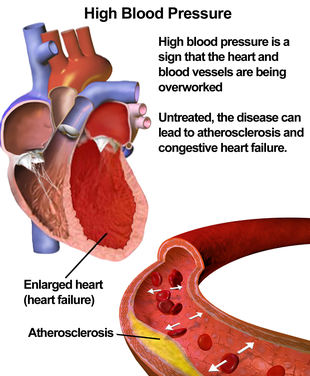
High blood pressure (Hypertension): High blood pressure occurs when normal blood pressure exceeds 140/90 mm of Hg repeatedly (>120/80mm of Hg) .Hypertension can lead to many other heart diseases or kidney problems.
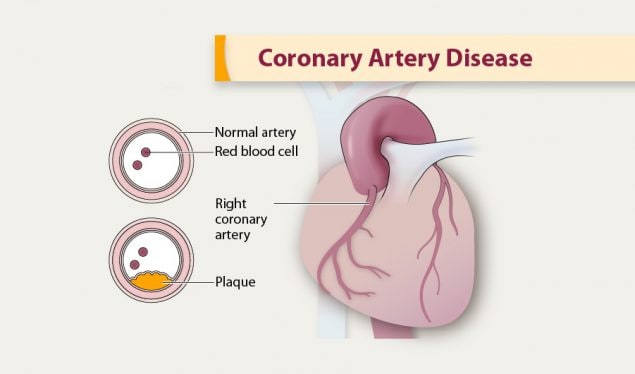
Coronary Artery Diseases (CAD): CAD occurs due to the deposition of fats, cholesterol and calcium etc, which narrows coronary arteries. If T wave in ECG shows flat then it can lead to Coronary Artery Disease (CAD), which is also known as atherosclerosis which affects vessels that supply oxygen via blood to the heart muscles (Coronary artery).
Angina pectoris: It is a disease in which muscles of heart do not receive proper oxygen supply from the blood. The person suffering from the disease experiences acute chest pain. In common words it is termed as heart attack.
Heart Failure: Heart failure means when heart is not pumping enough blood to the body. It usually occurs due to the congestion of the lungs so it is also called as congestive heart failure.
Note: Heart failure is not same as cardiac arrest( when heart stops beating) or heart attack (heart muscles do not get enough oxygen supply).
Image source:
https://www.cdc.gov/heartdisease/images/coronary-artery-disease-medium.jpg
https://3.imimg.com/data3/SY/NV/GLADMIN-11144303/related_links-images-angina-500x500.png
18.6 What is atherosclerosis?
18.6 Is heart failure is same as heart attack?