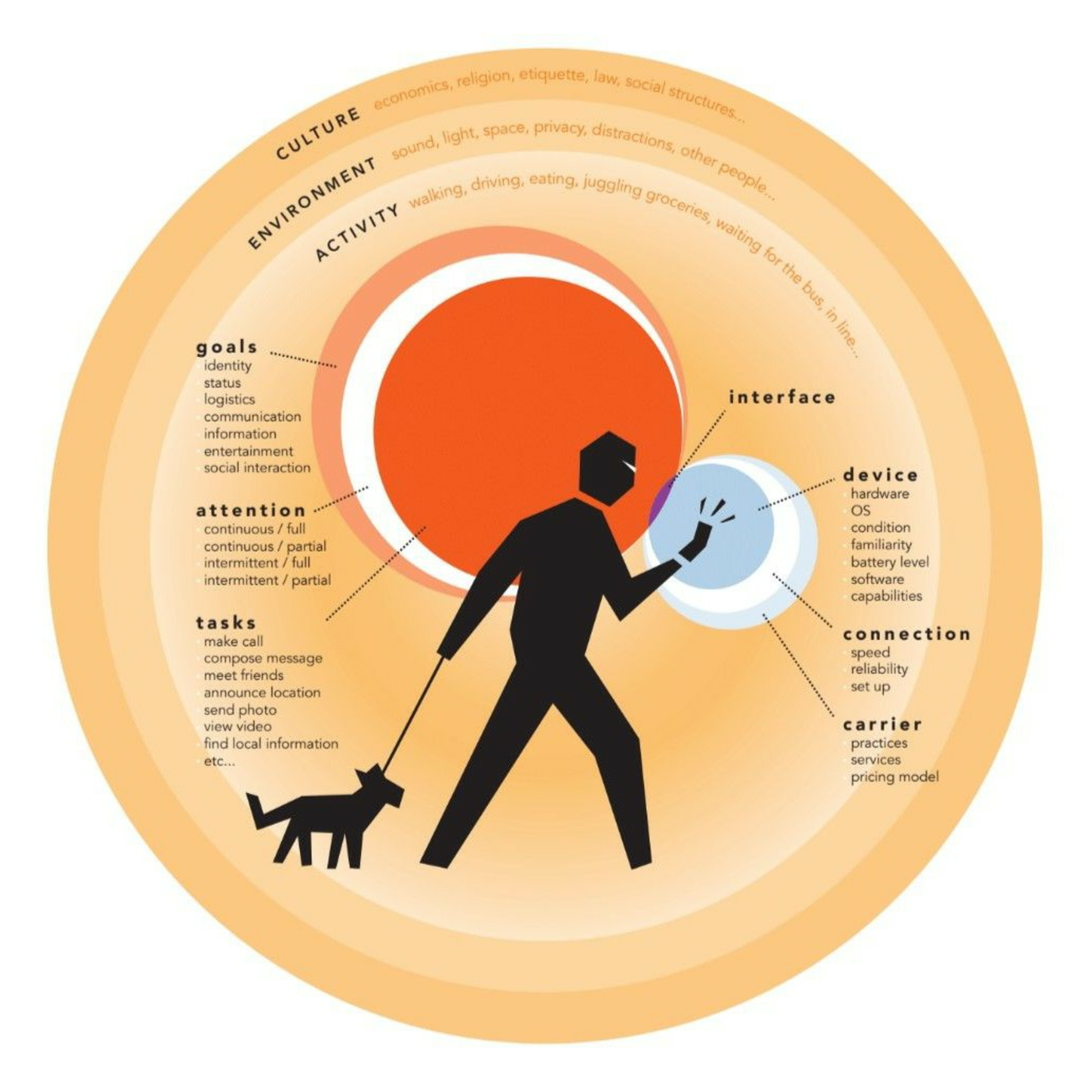
Contextual cues play a role in not just memory. They can be involved with behavioral patterns and mood disorders as well. For example, behavior therapists working with children with learning disabilities will sometimes use cues to help remind children to engage in constructive replacement behavior.
Environmental context cues: The environment consists of a large number of stimuli: visual, auditory, and olfactory. However, researchers typically operationalize “environmental cues” as being location specific, such as students taking exams in the same or different classrooms.
State-dependent context cues: State-dependent memory (SDM) refers to enhanced memory that occurs when there is a match between the physical or emotional state at encoding and retrieval.
Olfactory specific cues: Olfactory cues refer to different aromas that are present during encoding and retrieval. Although in everyday affairs odors can seem to play a back-seat to visual and auditory stimuli, odors can also serve as powerful contextual cues.