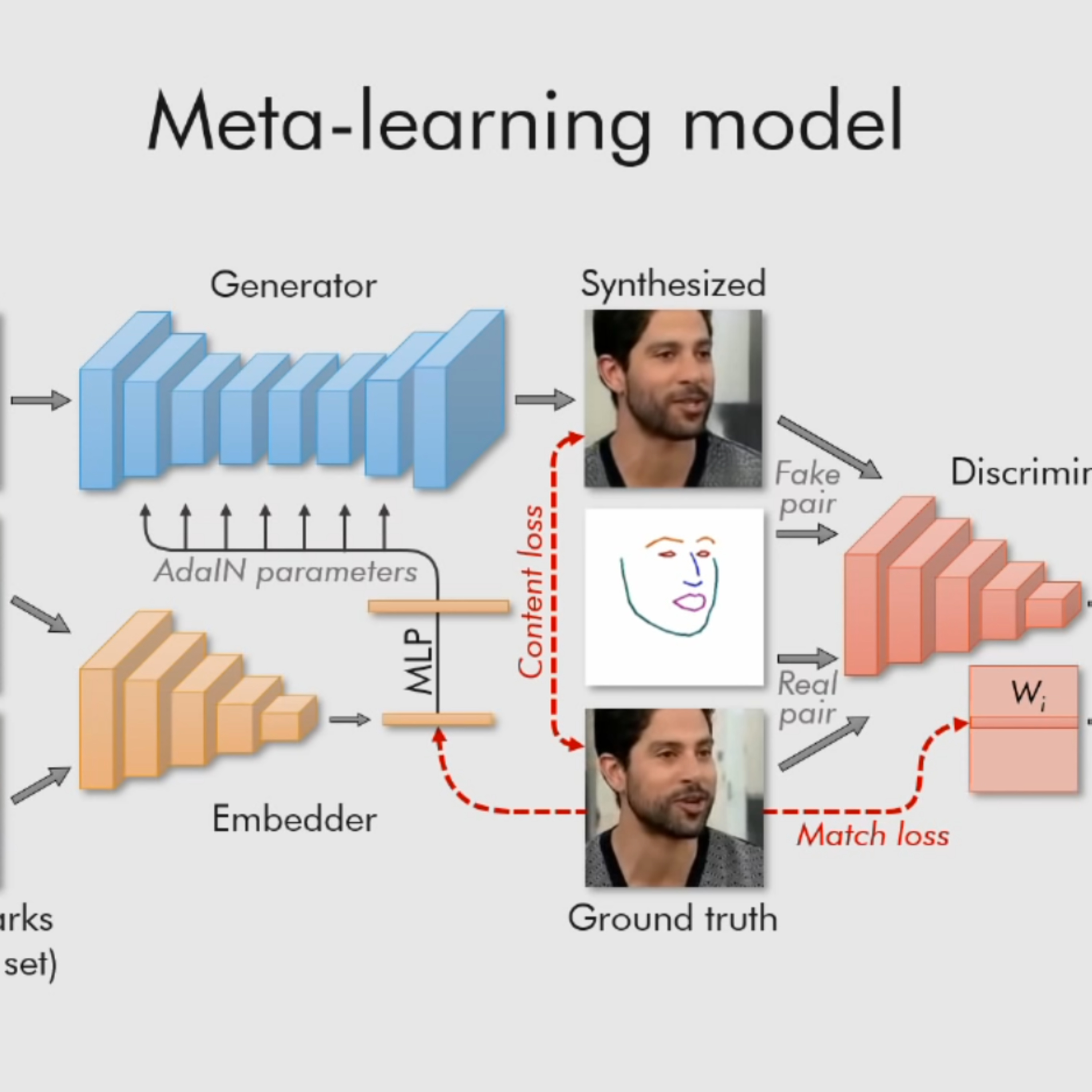
Over time, the technological capabilities to manipulate audio/visual media have increased significantly. More recently, artificial intelligence has provided even more powerful and novel ways to alter media. On a technical level, deepfakes work by running algorithms that predict the movements of individuals by analyzing existing media and then rendering highly realistic fabricated videos based on these movements. AI generated videos are therefore high-dimensional and very difficult totell apart from “real” life. These developments have several crucial implications for society at large. It is well established that we tend to believe what we hear and see but the possibility that hearing/seeing no longer establishes authenticity is problematic. It allows individuals with malicious intent to shape narratives that harm groups and individuals. Women, members of the LGBTQ community and minorities are especially vulnerable since their likeness can be used to craft stories that present them in a damaging light. Moreover, politicians and businesspeople have also found themselves implicated in recent deep fake videos. Barack Obama, Nancy Pelosi and Mark Zuckerberg are just some of the prominent figures who were the subjects of recent viral deep fakes.
Given the power of the technology and the speed of its development, there has been an increasing effort to regulate deep fakes. Recently, a federal bill “DEEPFAKES Act” was introduced in Congress to address the issue. Our investigation revealed that the Act was intended as a messaging device to open the discussion to the wider community and emphasize the power stories have in our society. In a world where deep fake technology has the ability to undermine reality and create hyper-realistic narratives, no social or political institution is truly safe and it is up to us to bring this issue to the forefront.
Thank you to our interviewees: George He and Mutale Nkonde.