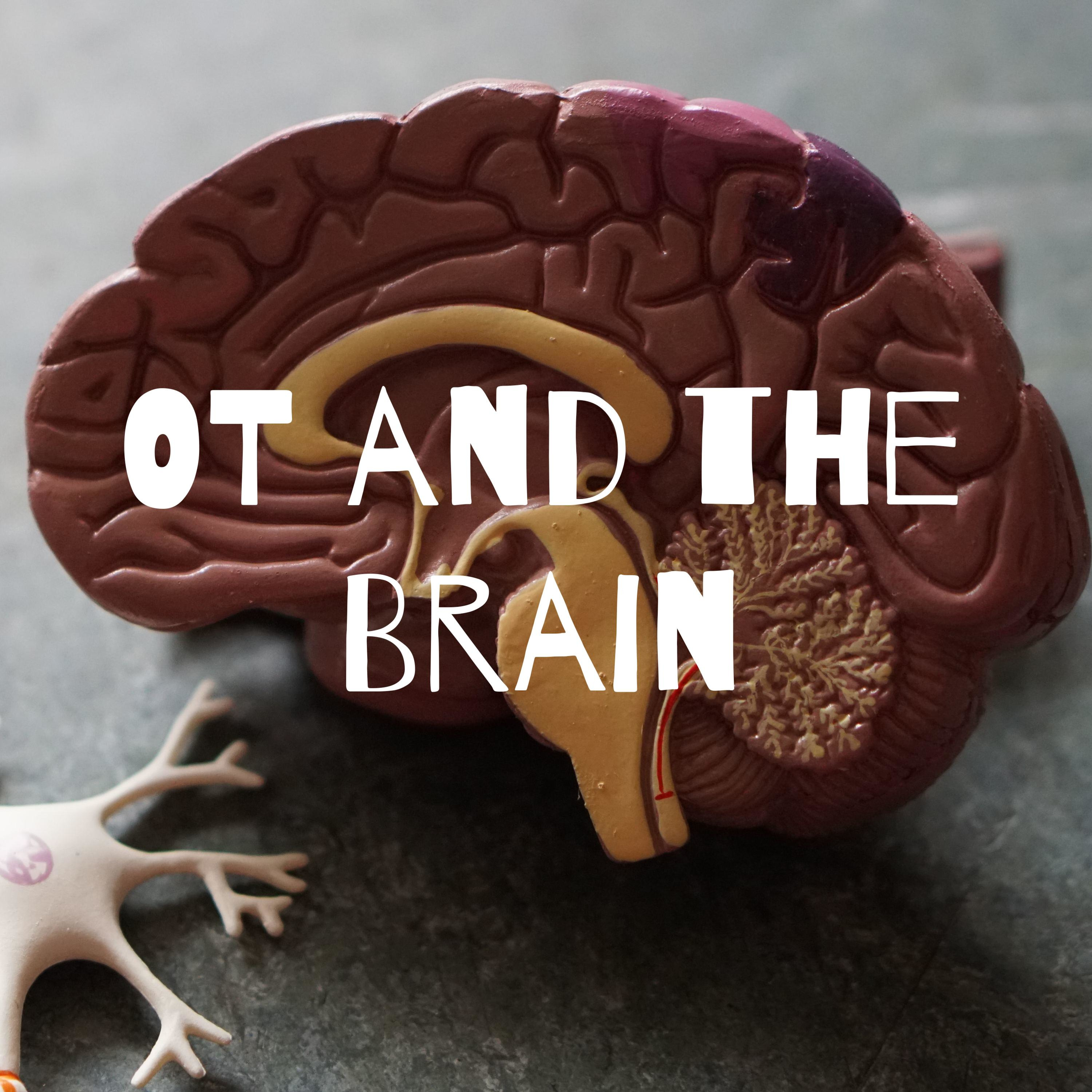
In this episode we discuss how stress can impact the brain.
References Used this Episode
American Occupational Therapy Association. (2014). Occupational therapy practice framework: Domain and process (3rded.) American Journal of Occupational Therapy, 68(Suppl. 1), S1-S48. 10.5014/ajot.2014.682006
Cleveland Clinic (2021). Stress. Retrieved from https://my.clevelandclinic.org/health/articles/11874-stress
Howard, P. J., (2014). The owner’s manual for the brain (4th ed.). New York, NY: Harper Collins
Hunger, R. G. (2012). Epigenetic effects of stress and corticosteroids in the brain. Frontiers in Cellular Neuroscience. 10.3389/fncel.2012.00018
Livneh, H., & Parker, R. M. (2005). Psychological adaptation to disability: Perspectives from chaos and complexity theory. Rehabilitation Counseling Bulletin, 49(1), 17-28.
Lupien, S. J., McEwen, B. S., Gunnar, M., & Heim, C. (2009). Effects of stress throughout the lifespan on the brain, behavior, and cognition. Nature Reviews Neuroscience, 10, 434-445.
Mental Help (n.d.) Types of stressors (eustress vs. distress). Retrieved from https://www.mentalhelp.net/stress/types-of-stressors-eustress-vs-distress/
Treadway, M. T., & Lazar, S. W. (2010). Meditation and neuroplasticity: Using mindfulness to change the brain. Assessing Mindfulness and Acceptance Processes in Clients: Illuminating the Theory and Practice of Change, 186-205.