Please don't allow sections of this video to offend you. It's for educational purposes.
https://podcast.yourcaseforlove.com/podcast/episode-12-lusting/
Your Case for Love – Episode 12
Music by Liz Bills and The Change
Introduction
Tony Dee:
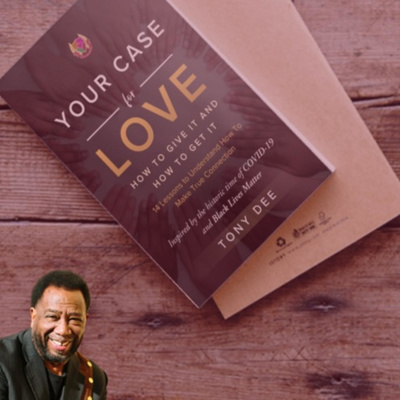
0:17 Hi, I’m Tony Dee, author of “Your Case For Love,” the book, founder of the “Bypass Method,” helping you bypass the wrong person so you can get to the right person this time. Also the co-host of Your Case For Love, the podcast.
Liz Merriweather:
0:34 Hi, I’m Liz Merriweather, Life coach, Psychotherapist, and Co-host of Your Case For Love podcast.
Tony Dee:
0:41 Welcome to Your Case For Love. And welcome to Episode 12 of Your Case For Love. Topic
Liz Merriweather:
0 :50 In this week’s podcast episode, we’re going to talk about the L word not the love L word. But that other one, L-U-S-T.
Tony Dee:
0:59 Lust
Liz Merriweather:
1:00 Lust
Tony Dee:
1:02 Now there are opposing opinions. But there’s a question for you to ponder. Is lust a good or bad emotion?
Musical interlude by Liz Bills and The Change
Lust Defined
Tony Dee:
1:28 Now on page 43 and 44 of Your Case For Love, there’s two definitions or two breakdowns, two versions of lust defined. But more than that, I think we need to open this discussion with some science. Liz, do you have anything for us?
Research
Liz Merriweather:
1:56 You know, I did a little research and I found a document out of Harvard University that does some of that research for us and has identified and it just makes perfect sense, if you think about it, that the emotion of lust is actually our hormones at work. It’s biology driven.
If you think about it, we’re made... It’s in our DNA. We’re made to have this emotion to drive us to procreate. If we didn’t have a very strong desire to do that, we as humans wouldn’t spend her energy on that.
The Scientific Study of Lust
So it’s basically hormonal. And I’ll say some more about that in a minute. But this particular researcher, with a team of scientists led by Dr. Helen Fisher, the article that I referenced, and it’s linked in the show notes references a team of scientists led by Dr. Helen Fisher at Rutgers University. And that team basically broke down the concept of romantic love into three categories:
• lust
• attraction and
• attachment
Lust
And what they identified through their research is that lust is literally driven by the hormones testosterone and estrogen.
After the period, that initial period of, and you know it, it’s that feeling when you get the butterflies in your stomach...
The Buzz
Please find the remaining show notes and links on our website.
Click the title on the home page to open episode 12 https://podcast.yourcaseforlove.com