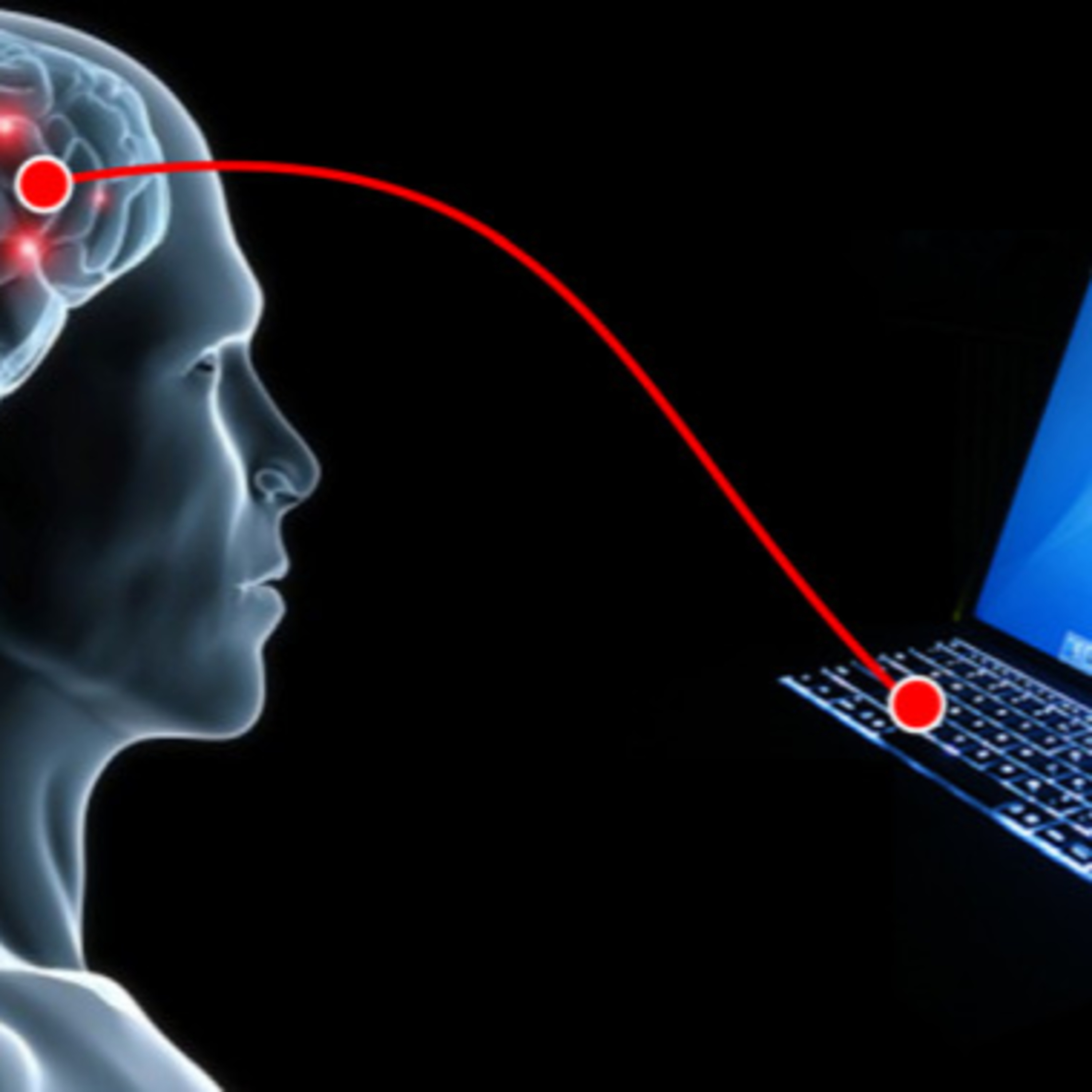
Neuro-navigation is a GPRS-based computer assisted technology that aids neurosurgeons in locating the precise target in the brain and spine.
Surgical excision of one or more damaged tissue(s) in the brain, spinal cord or skull base is required for a variety of patient diseases. Removal of brain tumours, deep-seated brain lesions, and treatment for movement disorders such as Parkinson’s Disease and dystonias are examples of such treatments.
Neuro-navigational tools and procedures
Various technologies have emerged over time to aid in the specific location of a damaged tissue, which is technically known as functional localization.
Neuronavigation entails the use of one or more of these advanced imaging technologies, as well as advanced surgical equipment to assist the surgeon in orienting himself with three dimensional images of the patient’s anatomy before and during surgery.
Applications of neuro-navigation
1. Resection of a brain tumour like Meningiomas , metastatic tumour
2. Surgery on the pituitary tumour
3. Skull base tumours
4. Deep seated gliomas
5. Intracranial hematomas
6. Subdural hematoma
7. Shunt surgery
8. Spinal fusion surgery
9. Epilepsy is treated through awake brain surgery
10. Brain biopsy
11. DBS in Parkinsonism
Role of neuro-navigation in neurosurgery
In neurosurgery, the most important role of frameless systems or neuronavigation is in brain surgery. The size of the skull hole or craniotomy can be limited as a result of this localisation and intra axial lesions such as brain tumours can be safely removed. As a result, frameless stereotactic devices have mostly been tumour resection.
Neuronavigation is getting improved over years to include increasingly advanced imaging techniques and surgical equipment. In the hands of the top neurosurgeons neuronavigation can be a lifesaver for patients suffering from everything from epilepsy to brain tumours to mobility difficulties.