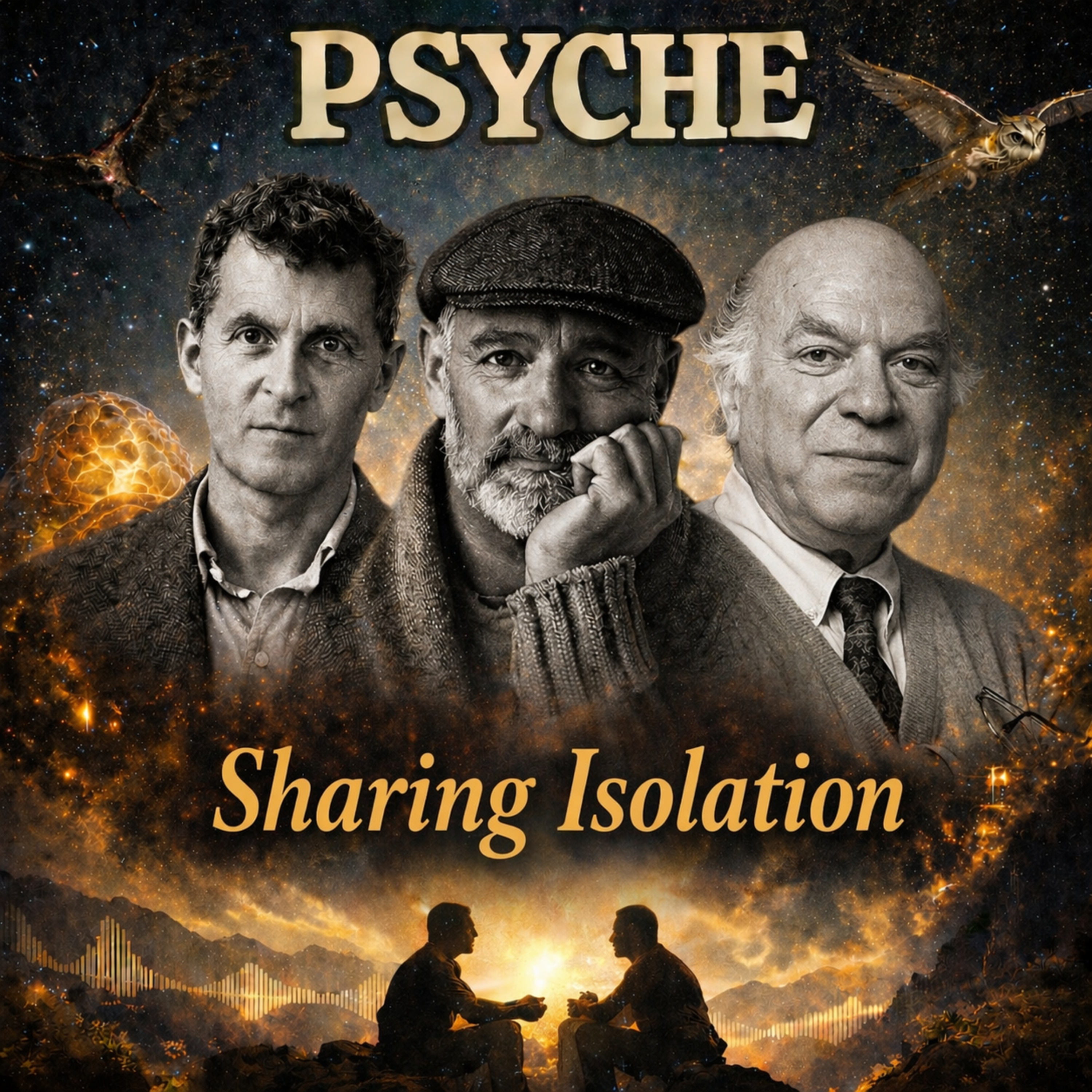
In this episode of Psyche Podcast, I explore Stanley Cavell’s understanding of skepticism, finitude, and acknowledgment, and why I think his work matters so deeply for psychotherapy. Rather than treating skepticism as a merely abstract philosophical problem, Cavell helps us see it as one of the central ways human beings try to evade the truth of their own condition. We want certainty, we want guarantees, we want to get beyond vulnerability, separateness, and the limits of human knowledge, and yet Cavell invites us to consider that the task is not to escape those conditions, but to live within them more honestly.
I reflect on Cavell’s profound insight that human community is not about overcoming isolation so much as learning how to share it, and I connect that vision to the therapy room, where healing so often has less to do with certainty than with acknowledgment, answerability, and presence. Along the way I explore how Cavell offers a powerful alternative to both metaphysical overreach and cynical despair, and why his philosophy gives us such a rich language for thinking about relationships, suffering, and what it means to meet another person without illusion.