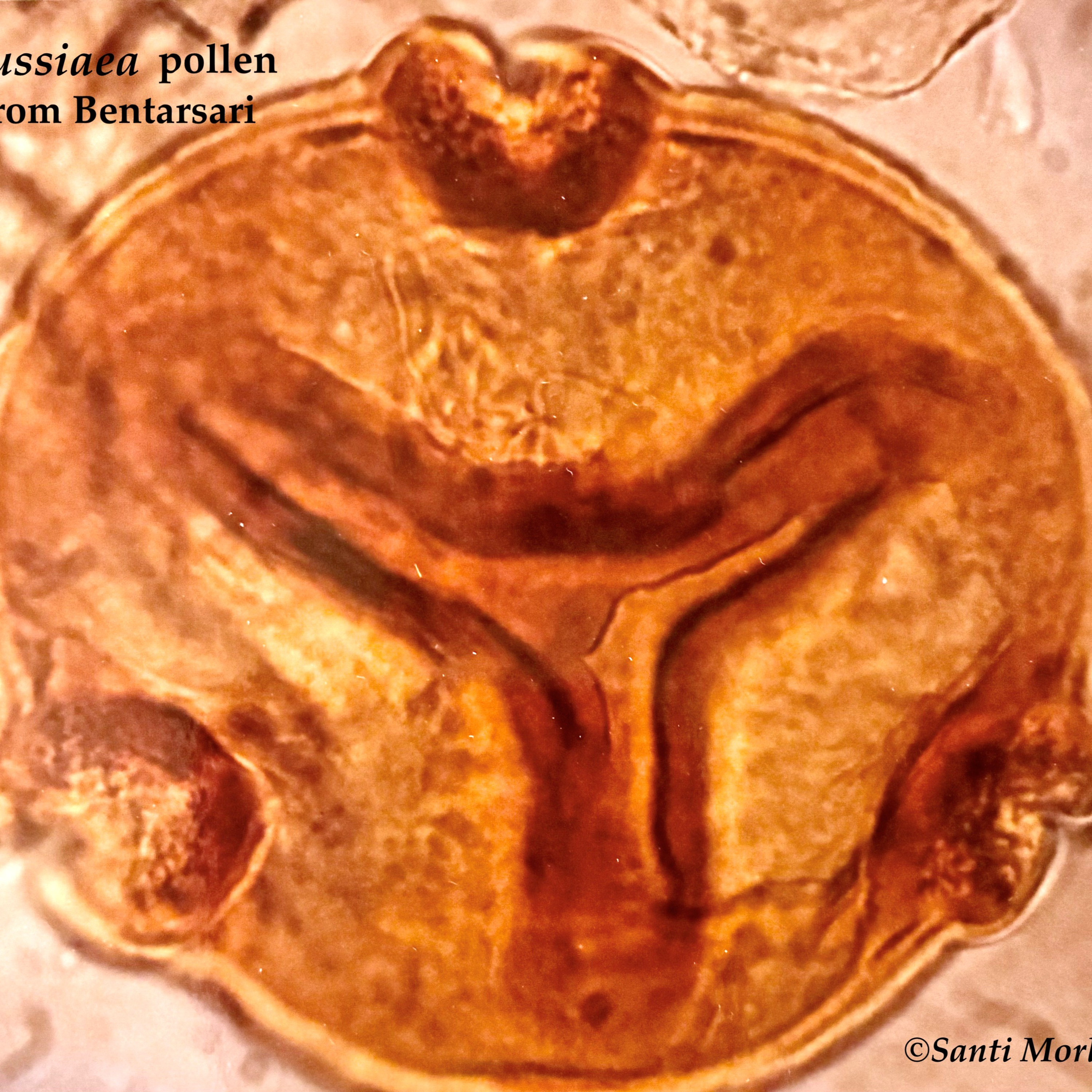
More than a million years ago, the island of Java looked very different from the busy, densely populated place we know today. Vast mangrove forests spread along muddy coastlines. Freshwater swamps stretched inland. Grasslands burned during dry seasons, while volcanic mountains rose in the distance beneath shifting tropical skies. Hidden within these ancient landscapes were animals that no longer exist and environments that shaped some of the earliest chapters of human history in Southeast Asia. A recent study by Harsanti Morley of Palynova Ltd and Robert Morley, who is a research associate at Royal Botanic Gardens, Kew, has opened an extraordinary window into that vanished world. By examining microscopic grains of fossil pollen and spores preserved in ancient rocks from Central Java, the researchers reconstructed ecosystems that existed during the early Pleistocene, a period beginning more than two million years ago. Their work reveals what the landscape looked like, and also how climate, sea levels, vegetation, and wildlife changed through time.