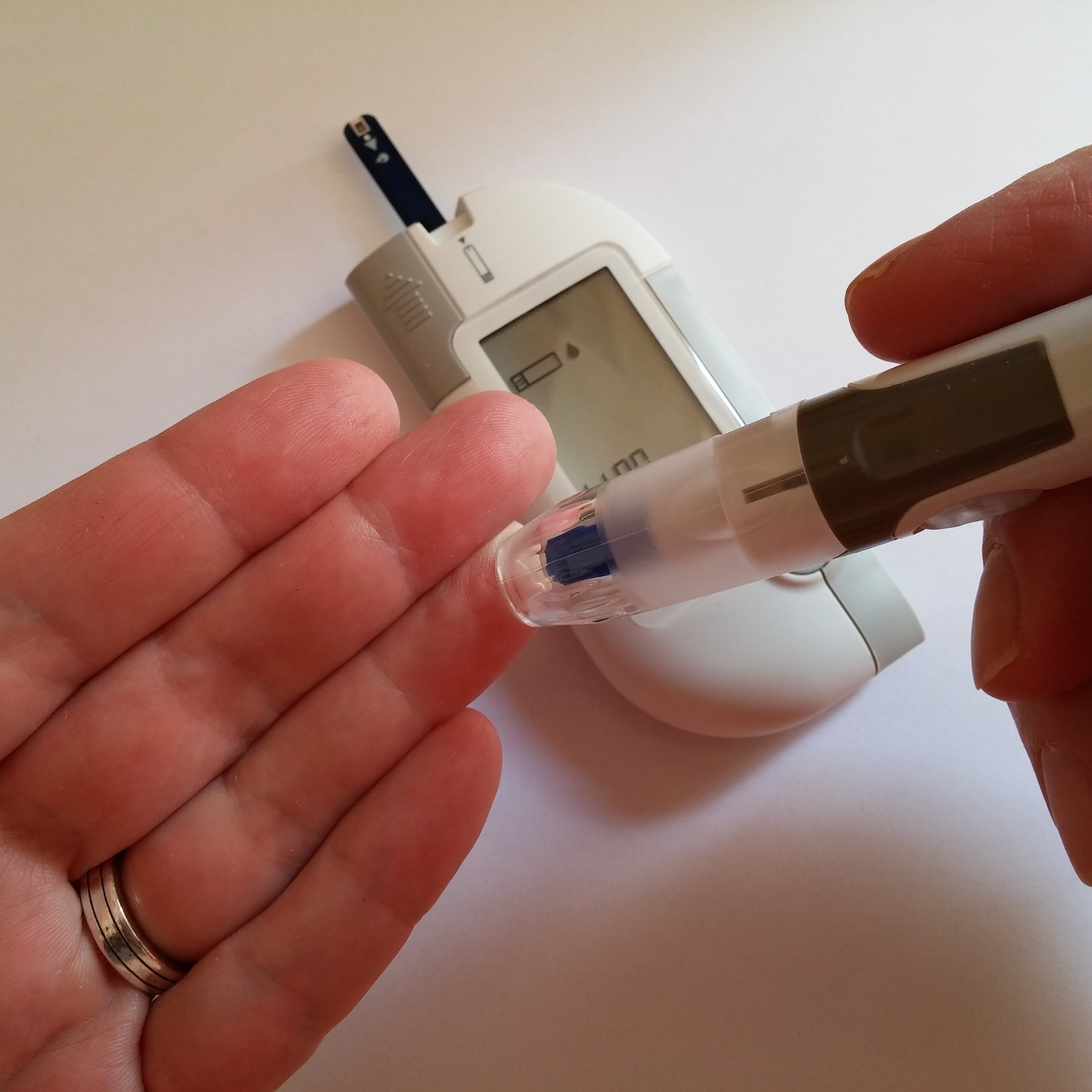
Diabetes is the 7th leading cause of death
1.5 million new cases diagnosed every year
30 million people with diabetes, about 7.5 million don’t know they have it
84 million with pre diabetes
327 billion dollars in diabetes care in 2017
Diabetes is a chronic disease whose hallmark is elevated blood glucose (sugar) above normal.
Normal fasting blood glucose values for diabetes are 70-100
Pre diabetes 101-125
Diabetes greater than 126
Type I diabetes is usually early or childhood onset, we did not talk about this, we will save it for a later episode.
Type II diabetes is also called late or adult onset because it usually is diagnosed in middle age
It is associated with insulin resistance. Insulin is a hormone made in and secreted from the pancreas and is responsible for keeping blood glucose in a normal range. Insulin resistance is a state in which the cells of the body become resistant to the effects of insulin, making it harder for the glucose to get from the blood to the inside of the cells of the body where it is needed. This results in higher blood glucose levels which leads to all of the complications of diabetes.
Risk factors for Type II diabetes include obesity, family history, hispanic or African American decent. There are others, these are most common.
Symptoms of diabetes are not common early in the disease. As it progresses and blood sugar gets higher symptoms can include excessive urination and thirst, recurrent urinary tract infections (UTI), recurrent yeast infections, fatigue, weight loss. Interesting note, when these symptoms occur, the urine has excess sugar and before lab testing was available, doctors would taste urine to see if it was sweet.
Consequences of untreated or poorly controlled diabetes include cardiovascular disease, heart attack, strokes, peripheral arterial disease which can lead to poor wound healing and amputation, blindness, kidney disease, neuropathy. These consequences are related to the damage that long term high glucose levels cause in small blood vessels which then leads to end organ failure.
There is no cure for diabetes so management is very important to prevent the above problems. Management strategies include lifestyle changes like healthy diet that includes low sugar intake and adequate exercise. Dietitians and diabetic educators play a vital role here. Medications are very important. It is important to check blood sugar regularly and keep follow up appointments with your doctor. Please follow doctors advice.
Very useful resources can be found at www.diabetes.org