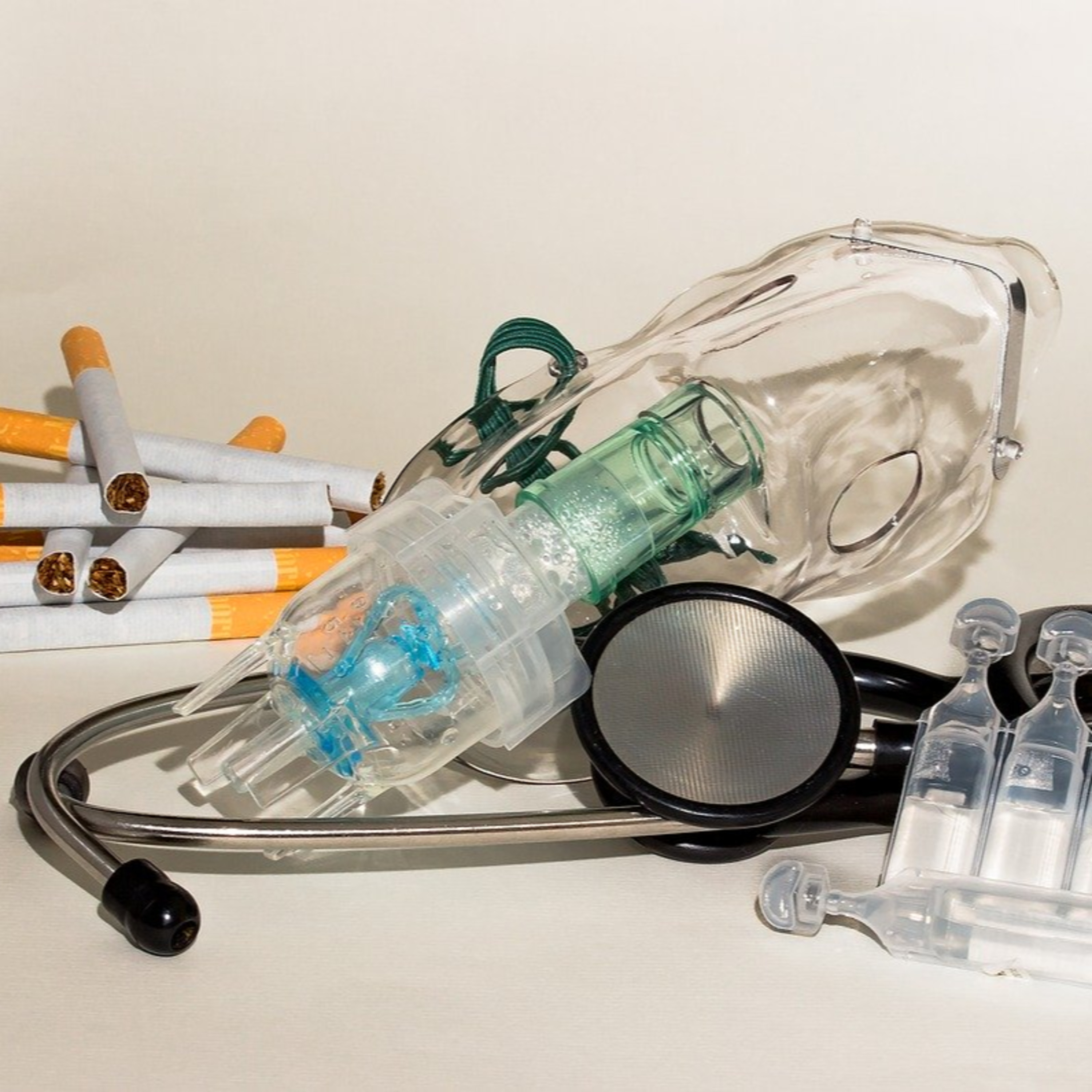
COPD is chronic obstructive pulmonary disease (also called chronic obstructive lung disease) It is the 4th leading cause of death in the US. Anatomy Lungs composed of airways that branch smaller and smaller like a tree and end in tiny air sacks called alveoli where oxygen and carbon dioxide are exchanged. When we breathe, air moves in and out of our lungs, delivering oxygen and giving off carbon dioxide. COPD results in obstruction of this air flow. COPD has 2 categories, chronic bronchitis and emphysema. Chronic bronchitis is caused by inflammation, mucous production and stiffening of the airways. Common symptoms are productive cough, congestion, wheezing and shortness of breath with exertion. Emphysema is caused by destruction of the air sacs where oxygen and carbon dioxide exchange occurs. This leads to shortness of breath, air hunger, weight loss and chronic fatigue. Smoking is the leading cause of COPD although there are some other minor causes. Chronic uncontrolled asthma can lead to COPD and there is a genetic enzyme (alph 1 antitrypsin) deficiency that leads to lung tissue destruction and emphysema. Smoking damage is estimated in “pack years”. 1 pack year is one pack daily for one year. Increased pack years increases the risk of developing COPD. It is very important to diagnose COPD correctly because there are other diseases that can cause similar symptoms and treatments might be different. Testing for COPD might include pulmonary function testing, xrays, CT scans and tests to rule out or diagnose other problems. Treatment for COPD is aimed at managing symptoms. It is very important to stop smoking. Inhaled medications help open airways and decrease inflammation. Once damage has occurred, it cannot be repaired, but lung function can improve. Please stop smoking and don’t start. Help loved ones quit, but they have to be ready. It is important to have end of life discussions if your family is facing issues with COPD.