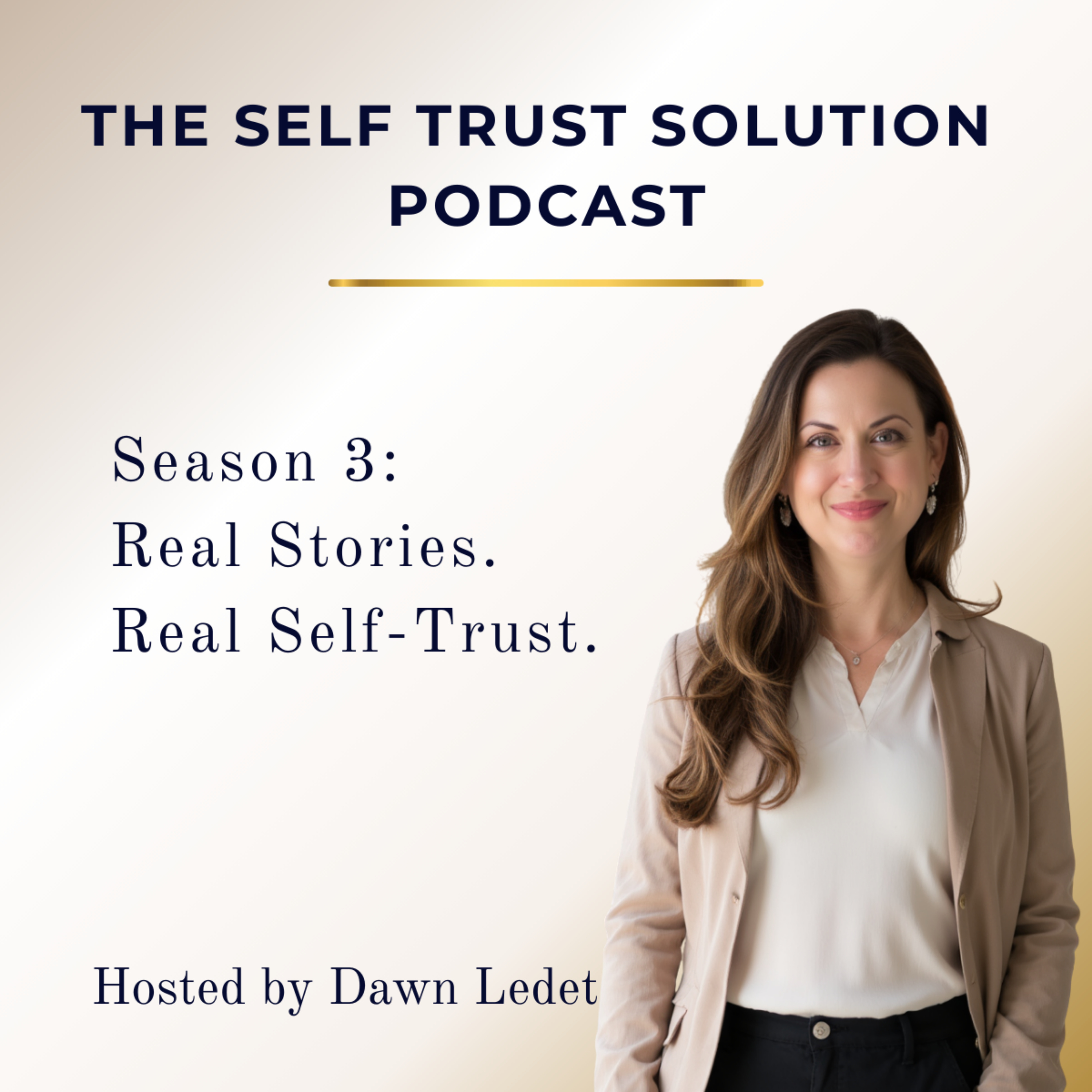
As we approach the year's close, the rush of pending tasks and unmet goals might cloud our minds. It's natural to feel compelled to review what wasn't accomplished or where we fell short. Yet, this approach often disregards our achievements, learnings, and personal growth, which can be dismissive and demotivating.
In this episode, we'll explore the necessity of a balanced year-end reflection. Focusing solely on unmet expectations can create unnecessary pressure or lead to a sense of defeat. However, by acknowledging our triumphs—big or small—we can cultivate a cleaner, more compassionate start to the upcoming year.
This reflective process involves two key steps. First, celebrate your accomplishments. List moments where you showed resilience, made progress on your goals, or nurtured relationships. Embrace the challenges you faced and how you emerged stronger. This forms the foundation for a positive mindset and motivates your future endeavors.
Next, take a candid look at unmet goals without judgment. Consider why certain goals remained unaccomplished. This introspection isn't about self-criticism but understanding patterns or obstacles hindering progress. Treat it like collecting data for an experiment, exploring what worked and what didn't.
Finally, harness this compiled data to redefine your approach to upcoming goals. Utilize the lessons learned—whether about time management or overcoming specific obstacles—to craft a more effective plan. Leverage your strengths, determination, and growth to build a strategy that serves your aspirations in the new year.
Reflecting on your growth and achievements while using gathered data to reshape your approach to future goals ensures a strong start to the upcoming year, fostering success in your endeavors. Join us to embrace a reflective process that propels you towards a purposeful and successful new year!
Tired of making every result mean something about you? Put Data Not Drama to work with the Decide + Do Toolkit. Learn to take action for information, not validation, and use what you discover to make your next decision. Get the free Decide + Do Toolkit: www.dawnledet.com/decide-and-do