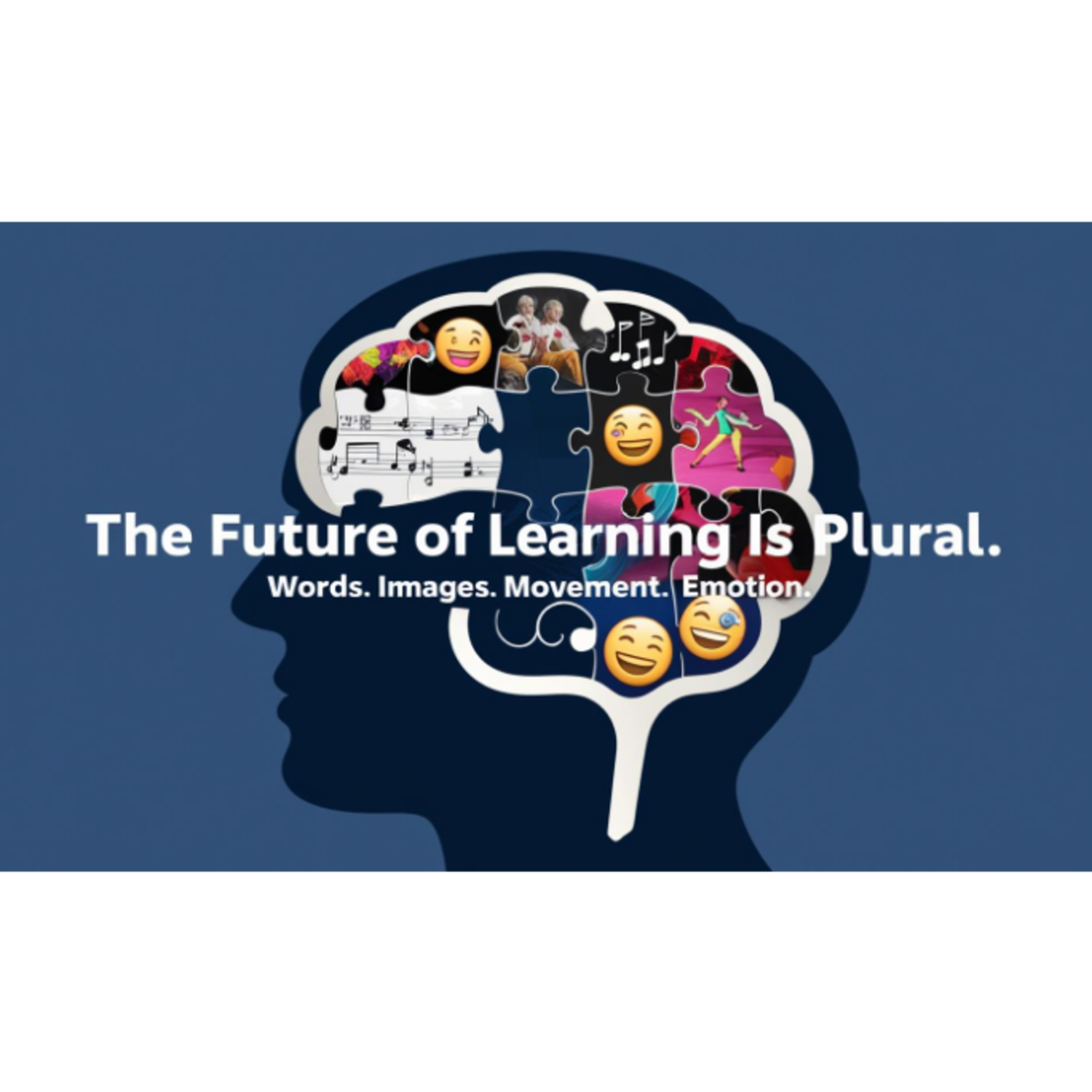
What if the way we learn isn't just through words and pictures—but through movement, emotion, rhythm, and story? In this essay, I introduce Plural Coding Theory, a model that expands on Paivio’s Dual Coding and brings in insights from psychology, education, philosophy, trauma studies, and neurodiversity. Drawing from thinkers like Temple Grandin, Bessel van der Kolk, Antonio Damasio, and Vygotsky, I make the case for a new, whole-person way of learning and meaning-making that is inclusive, embodied, and deeply human.