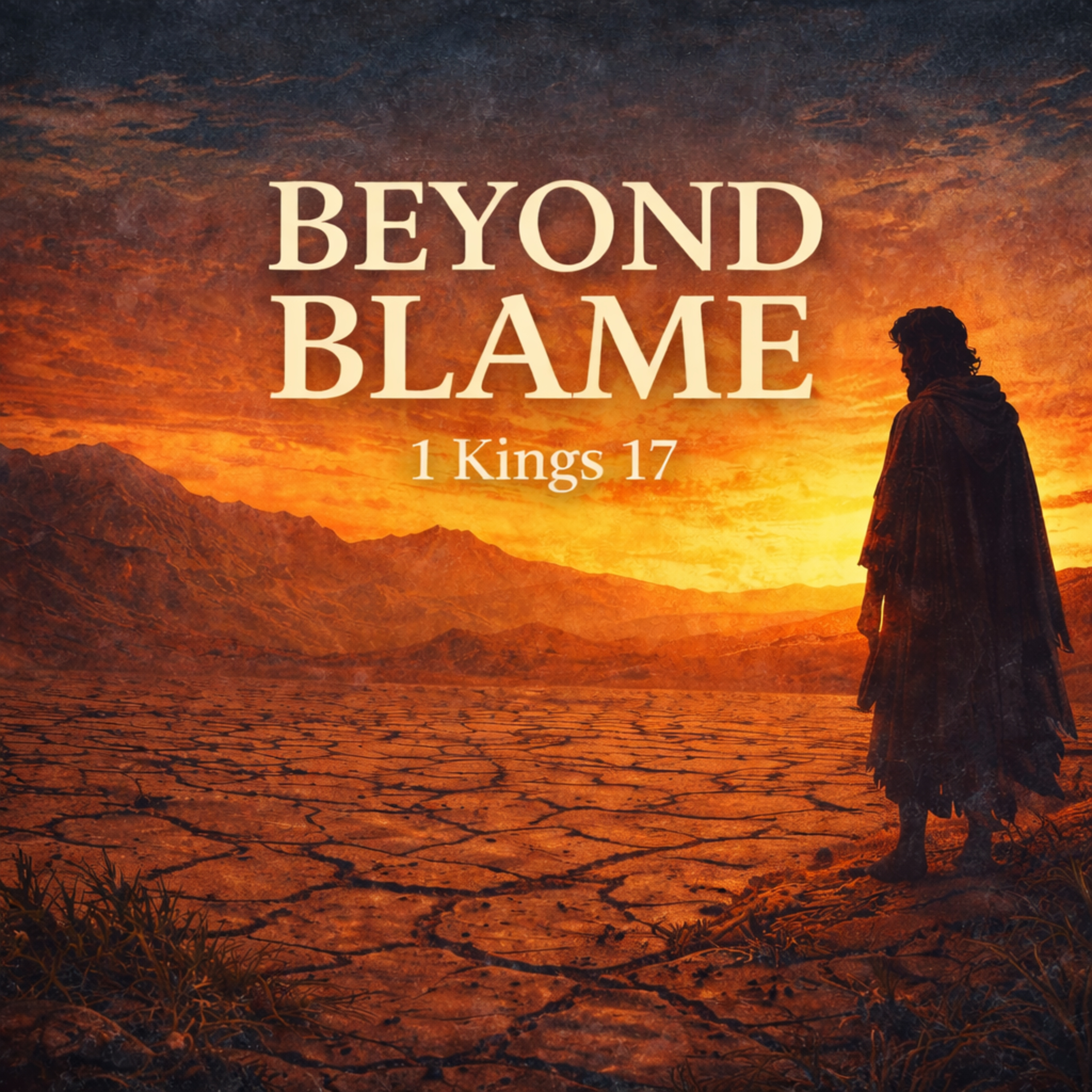
When something goes wrong—really wrong—our instinct is to blame the closest thing we can point to. In this episode, James and Manny explore the story of Elijah in 1 Kings 17 and uncover how easily blame gets misplaced when pain hits.
Elijah didn’t cause the drought—he announced it. Yet again and again, he becomes the one people point at. Through the widow of Zarephath and the death of her son, this episode wrestles with a hard truth: pain often reveals questions that blessing kept buried.
Rather than defending God or silencing grief, Scripture shows a better way—honest prayer, staying in relationship, and moving beyond blame without walking away from faith.
Why we instinctively blame the nearest person or circumstance
The difference between announcing judgment and causing it
How daily provision can stabilize us without deepening faith
What gratitude can quietly conceal until pain exposes it
Why honest questions are not rebellion
How both the widow and Elijah voiced blame—and God still responded
What it means to exit the blame game and keep walking with God
Episode Segments
Who’s Getting Blamed for This? (game segment)
Off-Topic / On-Topic Question
Teaching walkthrough of 1 Kings 17
Reflection on grief, blame, and unfiltered prayer
Memorable Lines
“We often blame the closest thing, not the truest thing.”
“The grief didn’t create the bitterness—it exposed it.”
“Gratitude kept everything stable, but it didn’t answer the deeper questions.”
“Faith doesn’t mean never asking why—it means refusing to leave when you don’t get an answer.”
Closing ThoughtBlame gives pain a target—but it never brings healing. Scripture doesn’t just invite us to shift blame; it invites us to move beyond blame and keep walking with God anyway.