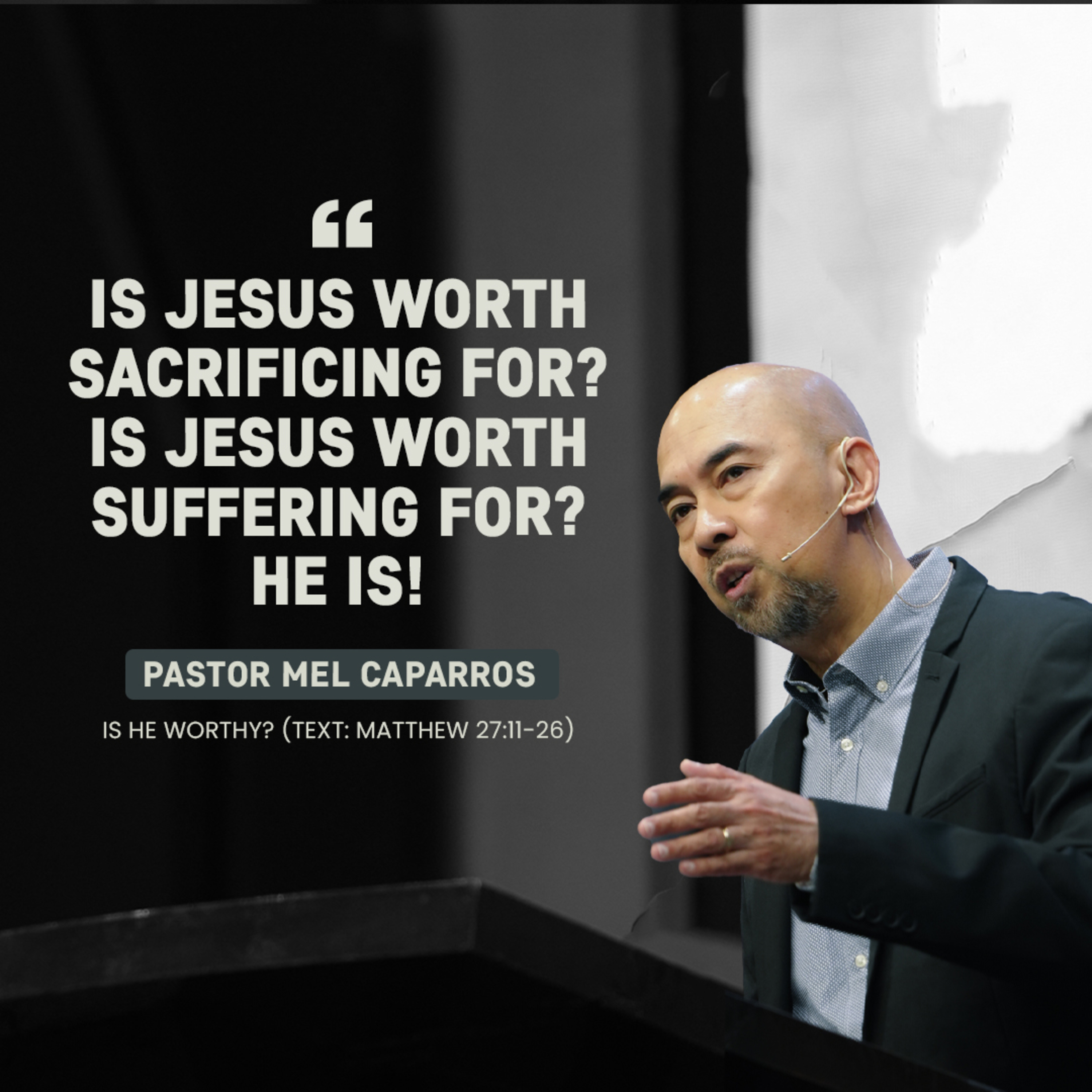
Overview of Matthew 27:11–26
This passage covers Jesus’ trial before Pontius Pilate, the Roman governor, and the events that lead to His sentencing and scourging. It reveals the political pressure, injustice, and public rejection Jesus faced before His crucifixion.
Key Events:
Jesus Before Pilate (v. 11–14):
Pilate questions Jesus: “Are you the King of the Jews?” Jesus responds, “You have said so.”
Despite many accusations from the chief priests and elders, Jesus remains silent, astonishing Pilate.
The Crowd Chooses Barabbas (v. 15–21):
At Passover, it was customary to release a prisoner chosen by the crowd.
Pilate offers them a choice: Jesus or Barabbas (a notorious criminal).
Influenced by the religious leaders, the crowd chooses Barabbas and demands Jesus be crucified.
Pilate Washes His Hands (v. 22–24):
Pilate asks, “What shall I do with Jesus?” The crowd chants, “Crucify Him!”
Seeing that a riot may start, Pilate symbolically washes his hands, declaring he is innocent of Jesus’ blood.
The people respond, “His blood be on us and on our children!”
Jesus Is Scourged and Sentenced (v. 25–26):
Pilate releases Barabbas.
Jesus is flogged and handed over to be crucified.
Key Themes:
Injustice and Political Pressure – Though Pilate finds no fault in Jesus, he caves to public and religious pressure.
Jesus' Innocence – His silence and restraint fulfill prophecy (Isaiah 53:7).
The Crowd's Rejection – The people choose a criminal over the Savior, foreshadowing the depth of human rebellion.
Substitution – Barabbas, the guilty man, is freed while the innocent Jesus takes his place—a picture of substitutionary atonement.
Application:
This passage calls believers to reflect on the cost of our salvation and the depth of Christ's humility. Jesus, though innocent, willingly endured injustice to fulfill God's redemptive plan. It challenges us to stand for truth and not be swayed by the pressure of the crowd.