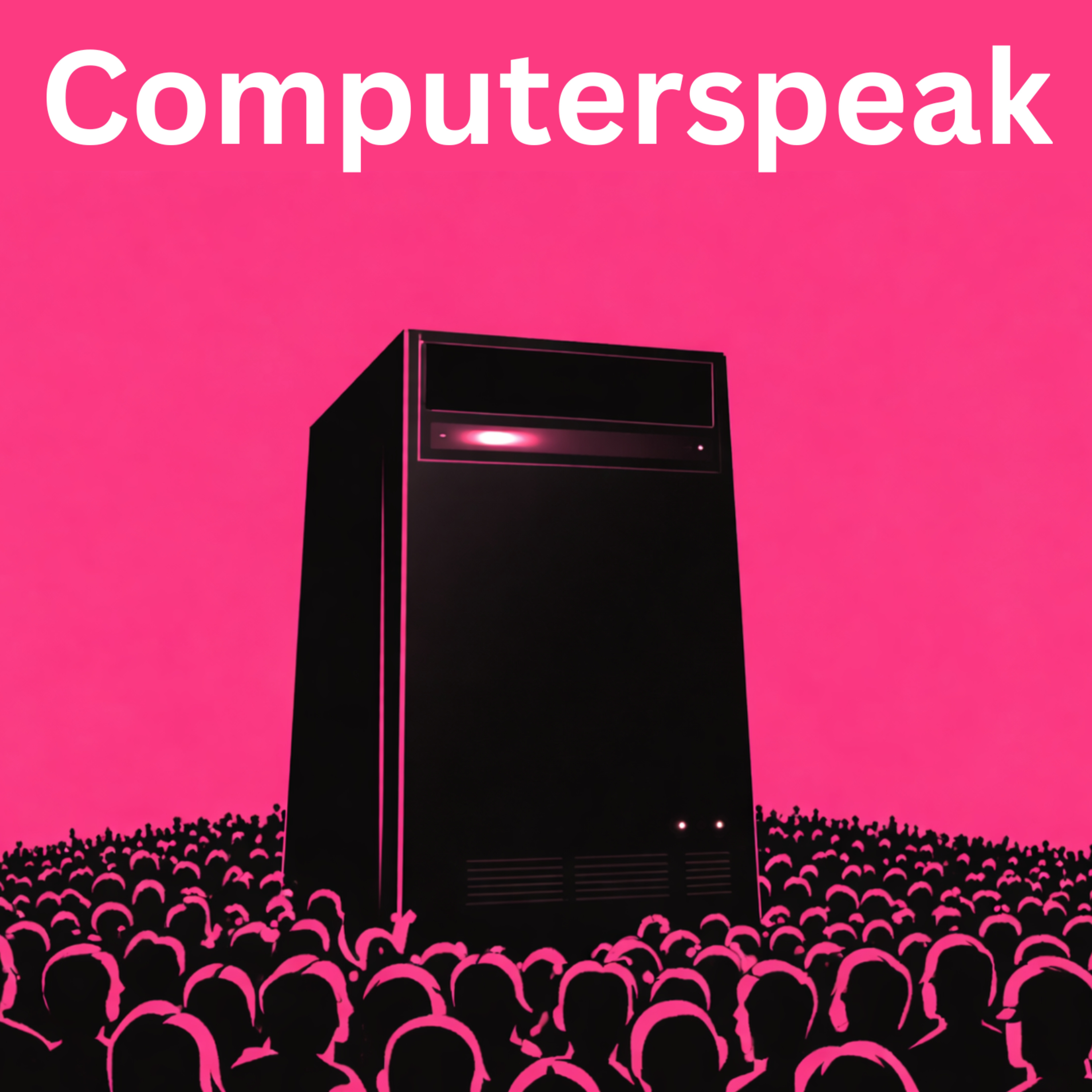
During a press conference held on Tuesday at the White House, Donald Trump, together with Larry Ellison from Oracle, Masayoshi Son from SoftBank and Sam Altman from OpenAI, announced the Stargate Project, a new company set to invest $500 billion over the next four years to build AI infrastructure in the United States. So what exactly does that get you in terms of real-world infrastructure? We do the math in this week’s Computerspeak: https://www.computerspeak.co/p/the-math-on-stargate-project
Also in the news this week:
[*] Business Insider: Trump announces an AI infrastructure investment of up to $500 billion involving OpenAI, Oracle, and SoftBank
[*] Bloomberg: Stargate’s First Data Center Site is Size of Central Park, With At Least 57 Jobs
[*] Fortune: OpenAI’s Stargate may be tech’s biggest gamble ever, but here’s what’s really at stake
[*] WSJ: How Oracle Plays Cheaply in AI
[*] Sifted: ‘This must be a wake-up call for Europe’: Tech leaders urge EU to match Trump’s $500bn AI investment plan
[*] The Information: Behind the OpenAI-Oracle Pact, an Elon Musk Threat Loomed
[*] Bloomberg: AI’s $100 Billion Stargate Venture Touted by Trump Will Tap Solar Power
[*] Sifted: Winning in AI will require millions more GPUs. Can Europe get there?
[*] TechCrunch: Meta’s Yann LeCun predicts ‘new paradigm of AI architectures’ within 5 years and ‘decade of robotics’
[*] The Information: Startups’ AI Revenue Is Booming. Some Investors Doubt It Will Last
[*] Wired: Game Developers Are Getting Fed Up With Their Bosses’ AI Initiatives
[*] Fortune: ‘A sense of panic’: Immigrant AI talent worry Trump could make an already broken visa system worse
[*] FT: Huawei seeks to grab market share in AI chips from Nvidia in China
[*] MIT Technology Review: The second wave of AI coding is here
[*] TechCrunch: Here are the types of AI companies enterprise VCs want to back in 2025
[*] Washington Post: Amazon AI deal leaves ‘zombie’ start-up in its wake, whistleblower says
[*] Science News: Want your own AI double? There could be big benefits — and risks