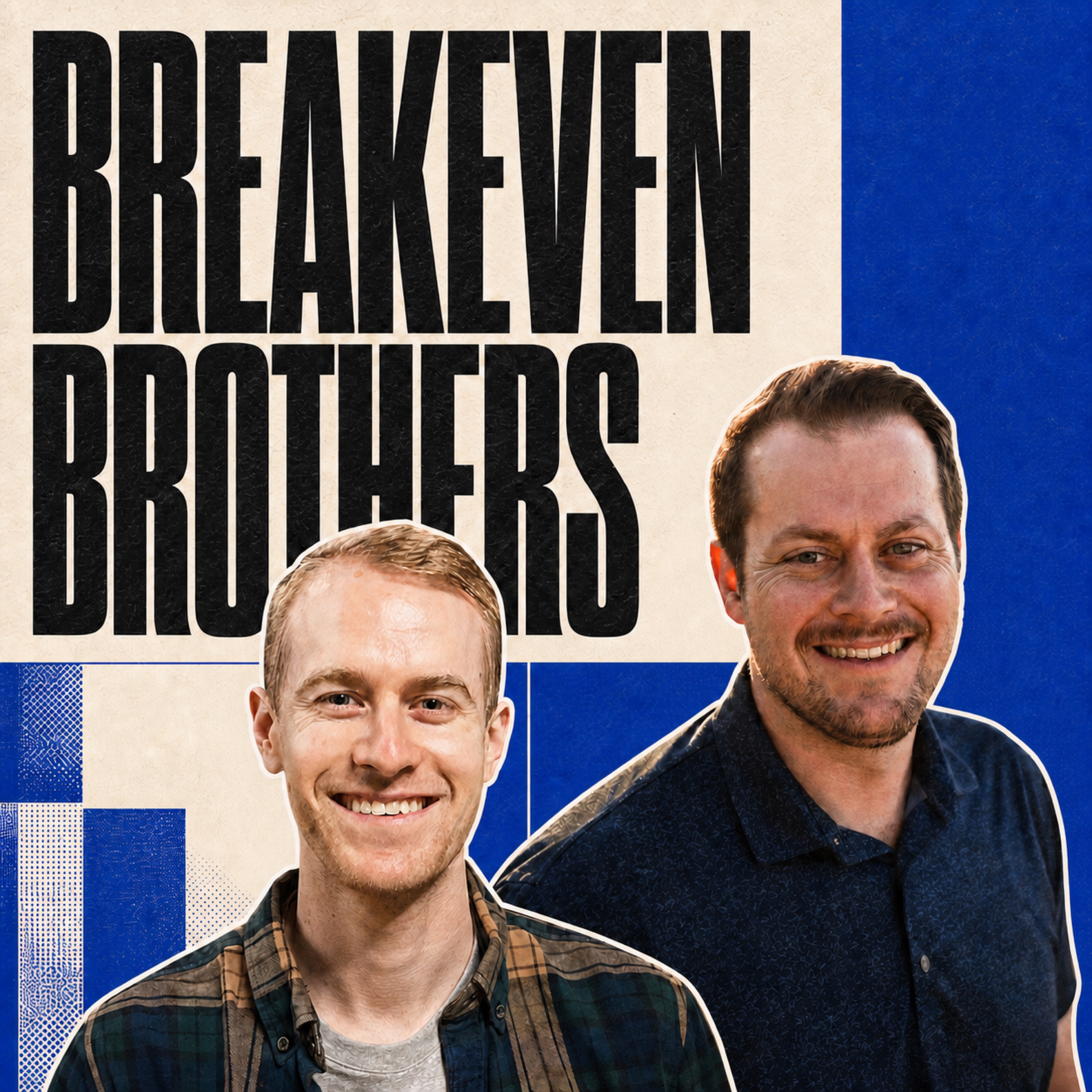
Bradley and Bennett unpack NVIDIA’s $12 billion Hugging Face acquisition and consider what control over a major open-model platform could add to NVIDIA’s hardware strategy. From the programmable MicroDuck and Anthropic’s Model Hardware Standard to Figure, 1X, local compute, and 3D-printing robots, they explore why AI may be moving from cheap software into useful physical machines—and why a small desktop duck feels easier to trust than a full-size humanoid.
The conversation then shifts to OpenAI’s Agents API and GPT-Live API. They explain managed Codex harnesses, hosted sandboxes, tool and MCP connections, privacy concerns, and full-duplex voice, while Bennett shares his Tax Avatar client Q&A concept and Bradley sketches a voice-driven bill-splitting workflow. They also weigh “Sent with ChatGPT” messages and AI-written documentation, question when generated context becomes slop, and bookmark AI code-review guidance, Higgsfield’s ChatGPT video plugin, and model-discovery resources from Arena.ai and Hugging Face.
Chapters
(00:00) - Waffle Buns and Intros
(04:22) - NVIDIA Acquires Hugging Face
(07:25) - MicroDuck and Physical AI
(13:03) - Humanoid Robots at Home
(16:57) - Robot Companions and Risks
(20:52) - OpenAI’s Agents API
(25:20) - Agents API vs. SDK
(28:36) - Why Sandboxes Matter
(30:45) - Full-Duplex Voice AI
(35:40) - Tax Avatar for Clients
(38:15) - Voice Apps and Pricing
(41:45) - AI-Written Slack Messages
(45:52) - Detecting Foisted AI Slop
(48:28) - Human Review and Sign-Off
(52:45) - Outsourcing Critical Thinking
(56:23) - AI Review Guardrails
(1:00:10) - Higgsfield Video Editing
(1:04:00) - Waymo Routes and Speeds
(1:06:00) - Autonomous Safety and Abuse
(1:09:04) - Coordinated Fleets and Speed
#AIAgents #OpenAI #GPTLive #VoiceAI #AIHardware #AIRobotics #NVIDIA #HuggingFace #OpenSourceAI #AISecurity