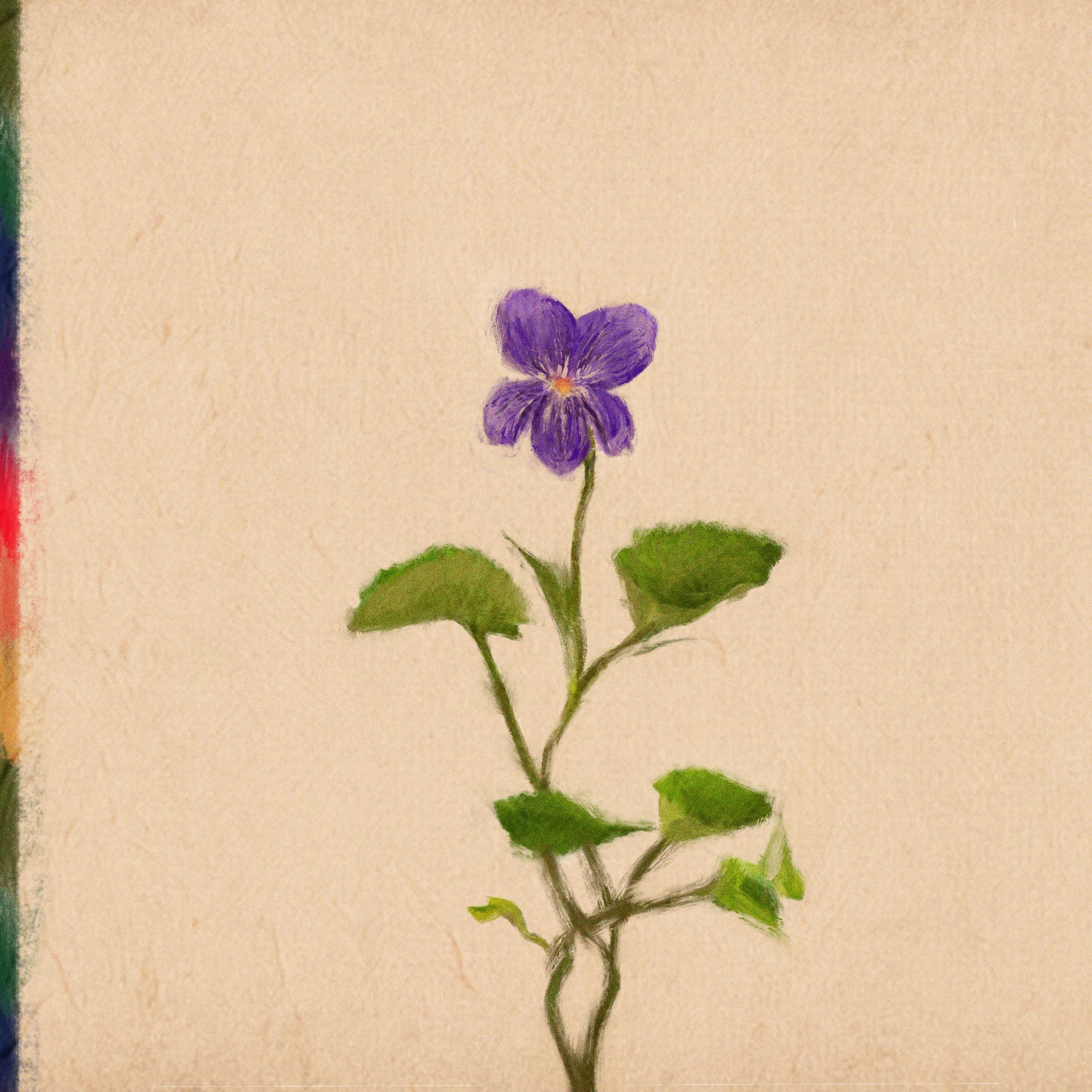
For over two thousand years, violets have been a shared language between women. In this episode, we follow a thread from Sappho's pen, through Parisian salons and art circles, to Broadway. And we ask how love finds a way to exist when the world insists it can't.
Executive Producer, Writer & Host: Nina Ozier
Co-host and Episode Cover Artist: Jake Kaplan
Audio Producer & Sound Mixer: Elliot Terzian
Theme Music: Paul Oliphant
Episode References:
- Anne Carson, If Not, Winter: Fragments of Sappho
- Stanford Encyclopedia of Philosophy, “Sappho”
- Poetry Foundation biography
- Shari Benstock, Women of the Left Bank
- JSTOR Daily, “Why Violets Became a Symbol of Lesbian Love”
- Lillian Faderman, Surpassing the Love of Men
- Kew Gardens, "Four Flowers That Have Become Queer Symbols" — kew.org
- JSTOR Daily, "Four Flowering Plants That Have Been Decidedly Queered"
- Wikipedia, "LGBTQ Symbols" — for The Captive / violet sales detail
- Dressing Dykes, "From Lavender to Violet: The Lesbian Obsession with Purple" — for Paris Lesbos community detail
- Manchester Historian, "Fighting Lesbian Erasure in Historiography: Restoring Sappho as a Queer Identity" — Amber Barry
- Wikipedia, "Renée Vivien" — for laudanum/violets suicide attempt detail
- Freedom Socialist Party, "Gay Resistance: The Hidden History Part III" — for Vivien's work being unsellable in England and US
- Taylor Institution Library, "Renée Vivien, Enfant Terrible of the Belle Époque" — for critical hostility detail