Complete Heartbreak in 63 Days: https://www.skool.com/becoming-her/about
Inside She Rises:
First 7 days FREE: https://www.skool.com/becoming-her/about
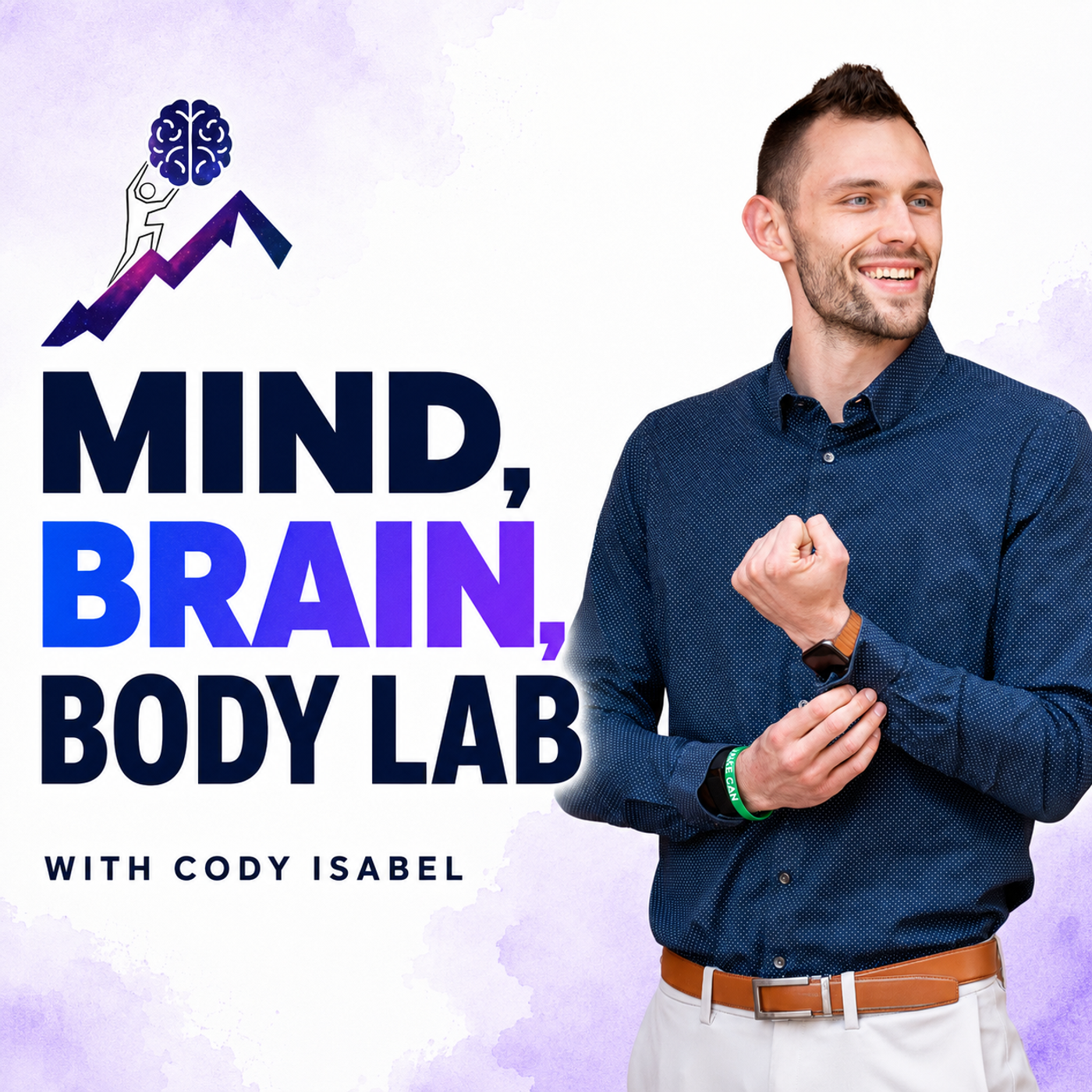
Btw, I'm Cody, founder of Mind, Brain, Body Lab. I help women complete heartbreak through neuroscience so the next relationship is different.
I have a cognitive neuroscience degree, am a certified IFS practitioner, and have worked thousands of hours with hundreds of women. Featured in CNBC, the New York Post & HuffPost; 1M+ followers and 1B+ views.
I've lived a first love that felt conditional, cheating in college, a three-year abusive relationship, and a blindsiding breakup with The One. What I learned: You don't need fixing. You need to remember your worth and retrain your nervous system to believe it. Neuroscience, trauma therapy, and reps—not toxic positivity.
Most dating problems are unfinished heartbreak problems. Subscribe if you're ready to break the cycle.
You're loved, you're enough, and I believe in ya.
Video Summary ⤵️
You've read the books, booked the couples' session he skipped, and rewritten that text six times. Why do you stay when you know better? We unpack why high standards don't guarantee leaving; how one good week can eclipse three bad months; why feeling needed keeps over-functioners stuck; four beliefs behind the part of you that won't leave; what nine years of research suggests about repeating patterns; and how to set your leaving point BEFORE attachment clouds it.
Supporting Research ⤵️
Rusbult (1980). Commitment and satisfaction in romantic associations. J Exp Soc Psychol, 16, 172–186.
Rusbult, Martz & Agnew (1998). Investment Model Scale. Personal Relationships, 5, 357–391.
Le & Agnew (2003). Commitment and its determinants: meta-analysis. Personal Relationships, 10, 37–57.
Le et al. (2010). Predicting relationship dissolution: meta-analysis. Personal Relationships, 17, 377–390.
Joel et al. (2018). Stay/leave decisions for a partner's sake. J Pers Soc Psychol, 115, 805–824.
Spielmann et al. (2013). Settling for less out of fear of being single. J Pers Soc Psychol, 105, 1049–1073.
Eastwick et al. (2008). Mispredicting distress after breakup. J Exp Soc Psychol, 44, 800–807.
Clark (2013). Whatever next? Behavioral and Brain Sciences, 36, 181–204.
Ferster & Skinner (1957). Schedules of Reinforcement. Appleton-Century-Crofts.
Full research list: https://blog.mindbrainbodylab.com/
Disclaimer ⤵️ Educational content, not a substitute for therapy. If relational trauma impacts your wellbeing, consider working with a trauma therapist.