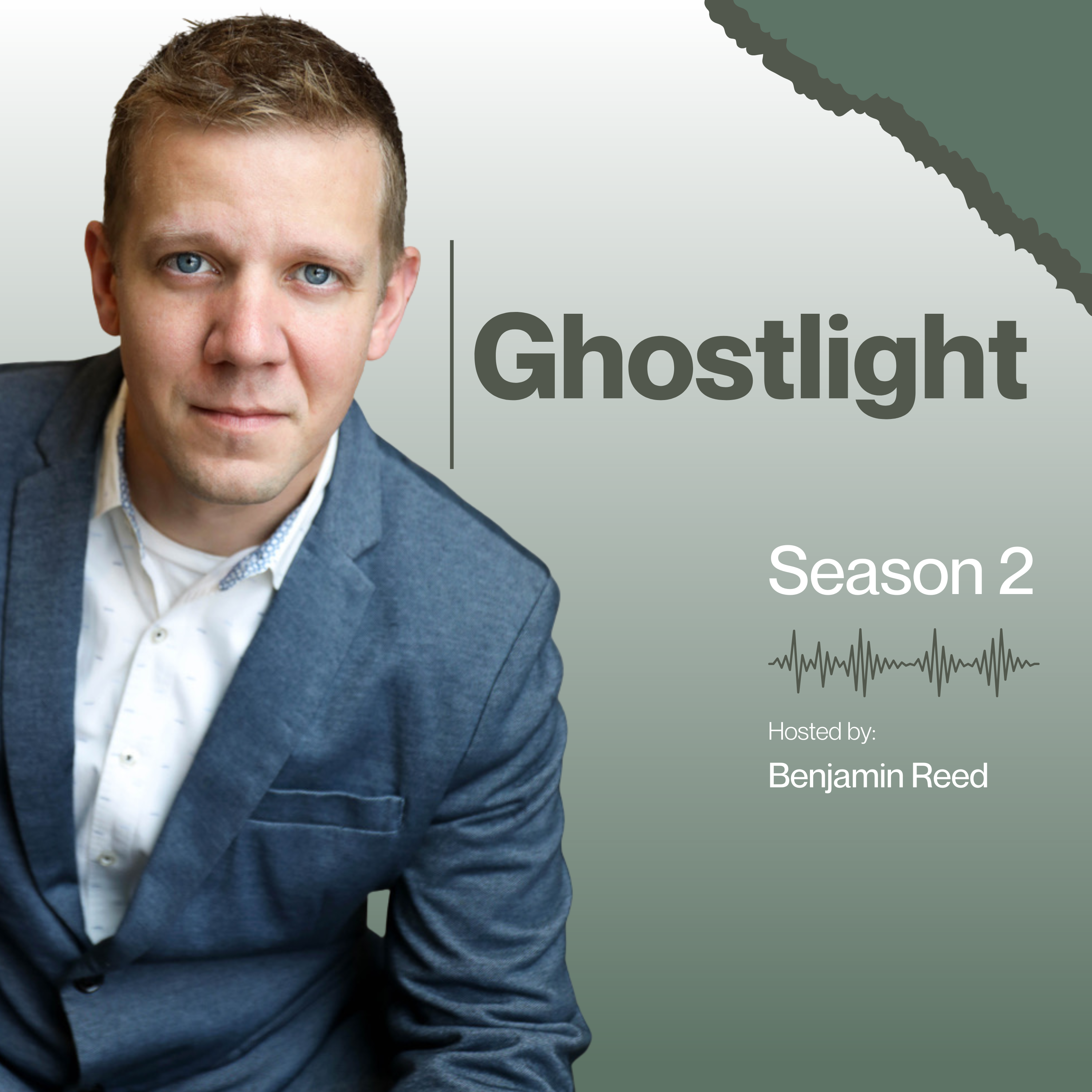
This conversation examines the growing difficulty of sustaining a long-term career in the performing arts. We reflect on the transition from full-time artist to part-time professor as both a practical adaptation and an emotional experience. Together, we interrogate the audition-based labor model, the effects of market saturation, and an industry that increasingly struggles to support the people it relies on.
Rather than offering platitudes, the discussion centers on how artists respond to frustration, recalibrate their ambitions, and persist in meaningful ways when traditional definitions of “success” begin to break down.
Key Takeaways
- Experience remains a powerful asset, and artists who build adaptable, sustainable paths are better positioned to navigate an audition-driven economy over the long term
- In a saturated market, artists who clarify their value and cultivate direct relationships with audiences gain greater agency and leverage
- Frustration can be a productive signal, pointing artists toward structural changes, new strategies, and healthier definitions of success
- Persistence is most effective when paired with a willingness to redefine success in ways that align with personal values and long-term sustainability
- Career aspirations naturally evolve as artists integrate lived experience, financial clarity, and shifting priorities into their creative lives.