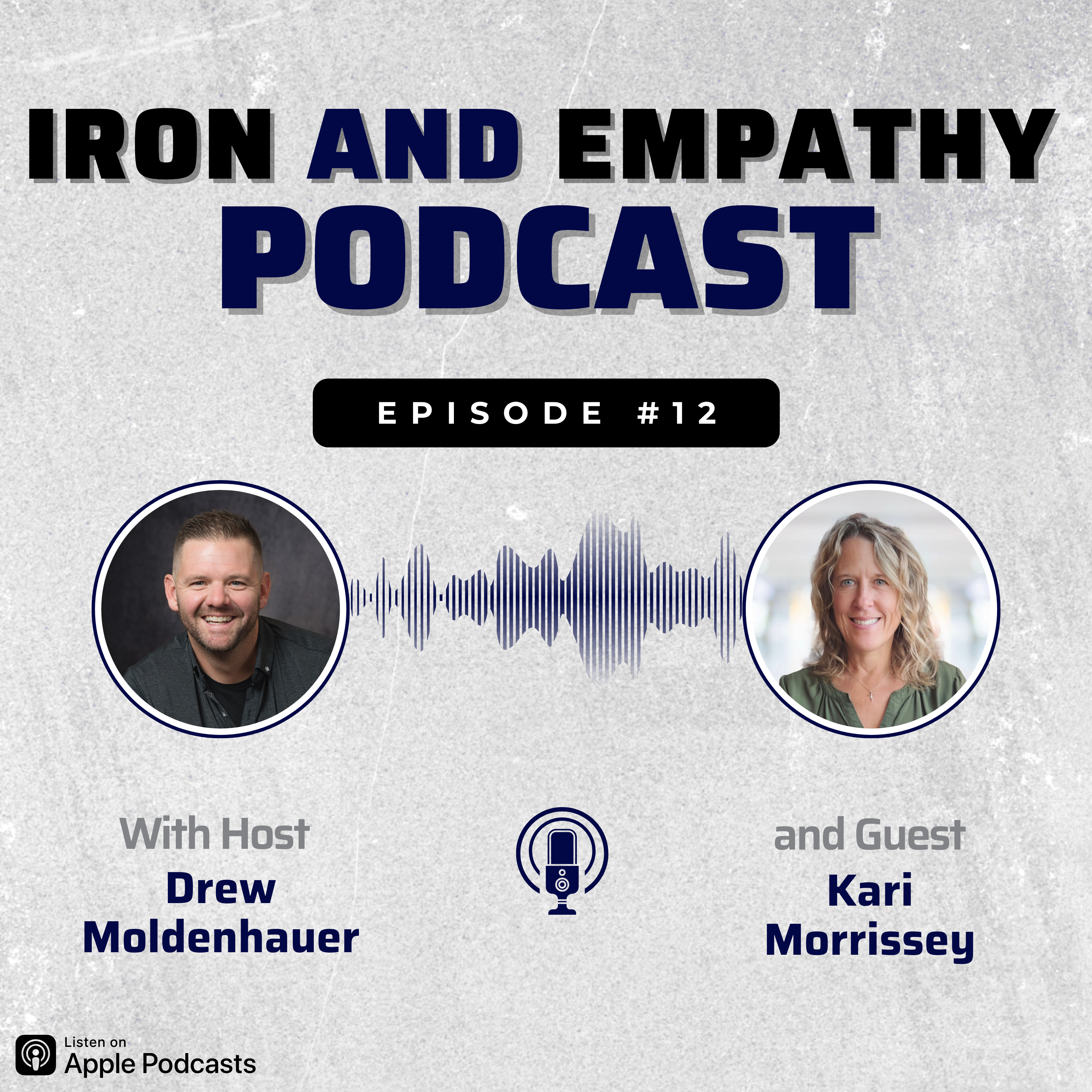
In this episode of Iron and Empathy, host Drew Moldenhauer speaks with Kari Morrissey, Director of the Anoka County Emergency Communication Center, about the reality behind the headset. With more than 30 years in 911, Kari pulls back the curtain on what telecommunicators actually face—constant decision-making, high call volume, and the responsibility of being the true first point of contact in someone’s worst moment.
She shares how small decisions can have lasting consequences, why saying “no” isn’t an option in emergency communications, and how the mental weight of the job can stay with you long after a shift ends. From evolving technology like real-time video and location sharing to building a culture that prioritizes mental wellness, Carrie highlights what it really takes to support those who answer the call—and why their role is more critical than most people realize.
Possible Trigger Warning: This episode includes discussion of emergency calls and the realities of 911 work that often involve violent incidents.
Reach out to Drew and sign up for newsletters and podcast updates at Blue-Ethos.com
To connect with Kari Morrissey or learn more:
911 telecommunicators, emergency communications, dispatch center operations, public safety communications, call taking, emergency response, mental health in 911, dispatcher stress, crisis communication, next generation 911, public safety leadership, first responders, communication under pressure, situational awareness, emergency dispatch technology, wellness in public safety