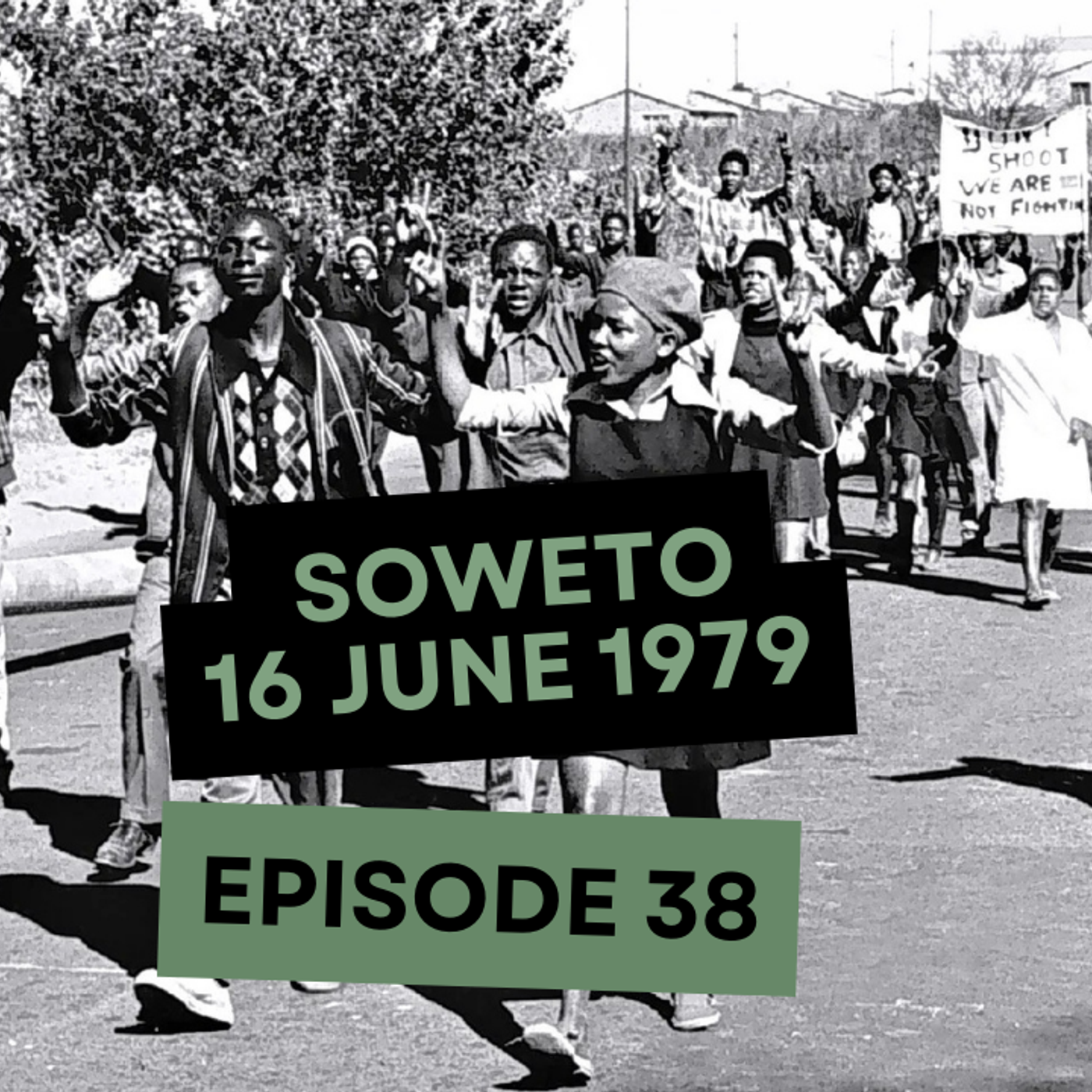
The story of Soweto's uprising on June 16, 1976, is a turning point in history you’ve never heard told quite like this. When thousands of students risked everything to march against apartheid's forced Afrikaans education policies, they ignited a revolution that changed South Africa forever—and proved that young voices can reshape the course of a nation. In this episode, you'll discover how peaceful protests turned into a mass uprising in a matter of hours, exposing the brutal truth behind apartheid’s violence and repression. We break down the strategic planning of students like Tsietsi Mashinini, the shocking moments when police opened fire, and the haunting image of Hector Pieterson that shocked the world. Listen as we reveal the terrifying crackdown that followed—mass detentions, executions, and a generation scarred by violence—and how these events laid the groundwork for South Africa’s eventual liberation. You’ll also learn about the long-term trauma faced by survivors, the brutal laws that helped imprison an entire movement, and the brave efforts of families, activists, and the TRC to uncover the truth. This isn’t just a history lesson — it’s a vital reminder of the costs of freedom, the resilience of youth, and the urgent need to remember and honour those who fought and fell for justice. Perfect for anyone committed to understanding how courage in the face of injustice can spark global change. Whether you're passionate about human rights, political activism, or simply interested in stories that inspire, this episode will leave you questioning what it really takes to rewrite history—and why we
#SowetoUprising #FreedomFighters #YouthCourage #SocialJustice #NeverForget
KEY TOPICS
The events of June 16, 1976, in Soweto
The role of students and youth in resisting apartheid
The police response and use of live ammunition
The international impact and media coverage
The long-term effects on South Africa's political landscape
TAKEWAYS
The Soweto uprising marked a turning point in the fight against apartheid.
The use of live ammunition against unarmed students was a moral and political turning point.
The images from Soweto, especially Hector Pieterson's photograph, galvanized global support.
Many students faced detention, exile, and trauma, which shaped future activism.
The uprising exposed the brutality of apartheid and accelerated its eventual collapse.
CHAPTERS
00:00 Introduction to June 16, 1976
06:54 Confrontation with Police: The Tensions Rise
10:56 The Uprising: From Protest to Insurrection
15:23 Aftermath: The Impact of June 16
23:01 Exile and Its Consequences
26:44 Legacy of the Youth Uprising
29:46 Reflections on Sacrifice and Memory