This is not a dry academic lecture. Nor is it a shallow discussion filled with buzzwords. Instead, this episode offers listeners something rare and valuable: a genuine cross-cultural conversation in which knowledge, lived experience, and curiosity meet.
Weiqian brings to the table her strong background in environmental research, particularly in the areas of air quality, atmospheric pollution, and pollution control technologies. She explains complex topics—such as particulate matter, industrial emissions, and pollutant filtration—in a way that is both accurate and accessible. Even listeners without a scientific background will find themselves following along with interest, gaining a clearer understanding of how air pollution actually works and why it is so difficult to control.
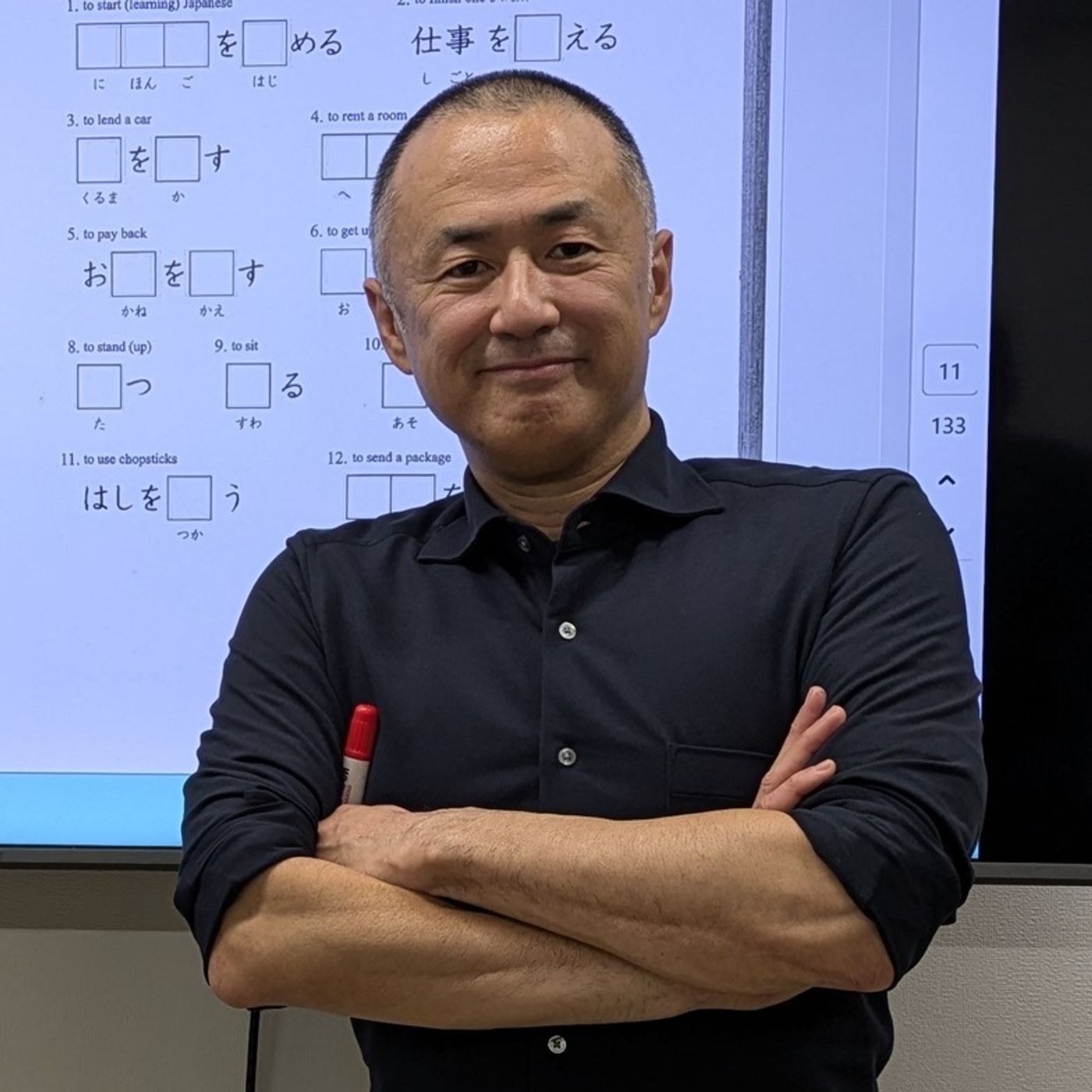
Shishoh, on the other hand, plays the role of the thoughtful interviewer. As a Japanese language teacher who has spent years speaking with students from all over the world, he knows how to ask the kinds of questions that invite deeper thinking. He challenges assumptions, asks for clarification, and occasionally steps back to reflect on the broader human and social implications of environmental problems. His perspective keeps the conversation grounded, relatable, and surprisingly personal.
One of the most compelling aspects of this episode is how it connects global environmental issues with individual responsibility and social systems. Air pollution is not discussed as an abstract concept, but as something that affects real people, real cities, and real lives. Weiqian shares insights into how pollution impacts daily life in different regions, how government policy and industrial behavior shape air quality, and why technological solutions alone are not enough without social awareness and political will.
The discussion also dives into the science of pollution removal. From advanced filtration systems to innovative chemical and physical processes used to capture harmful substances, Weiqian explains what is currently possible—and what still remains out of reach. Listeners will come away with a clearer picture of both the promise and the limitations of modern environmental technology.
At the same time, the conversation never loses its human warmth. There are moments of laughter, curiosity, and mutual respect. Shishoh and Weiqian do not always immediately agree, but that is precisely what makes the dialogue engaging. Their exchange models something increasingly rare in today’s world: intelligent disagreement paired with genuine listening.
Another unique feature of this podcast episode is its multilingual and multicultural background. Although the discussion is conducted in a shared language, the perspectives come from different educational systems, cultural histories, and social realities. This gives the conversation a depth that cannot be achieved in a purely domestic or monolingual context. Environmental problems do not respect national borders, and this episode reflects that truth beautifully.
Listeners who are interested in environmental science, sustainability, global policy, or cross-cultural dialogue will find this episode especially rewarding. But even those who simply enjoy thoughtful conversation between intelligent and curious people will be drawn in. This is an episode that invites you not only to learn, but to think—and perhaps to rethink your own assumptions about pollution.