Briefly in the news in Aotearoa’s political economy around housing, climate and poverty Tuesday, March 17:
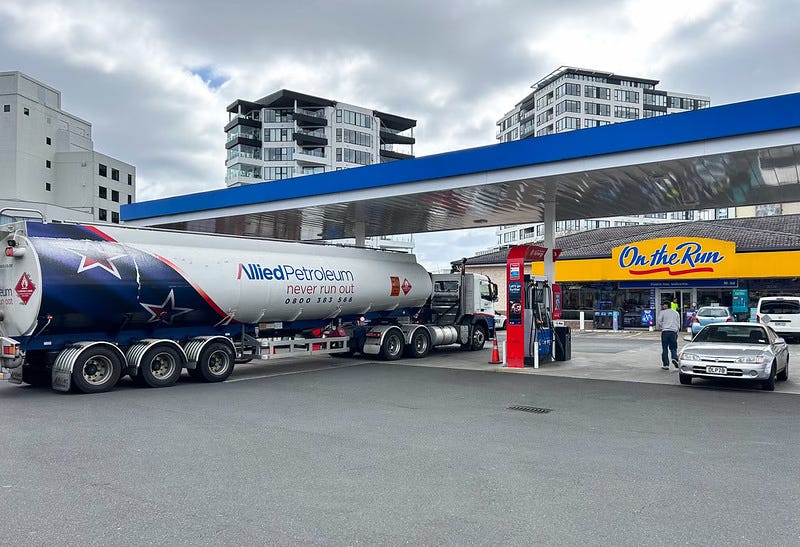
* Finance Minister Nicola Willis has spelled out the terms of any Government help for households dealing with the fuel cost shock from the war in Iran, saying any help would have to be ‘timely, targeted and temporary,’ and could not worsen the Government’s Budget position.
* She said the Government did not want to cut fuel taxes or suspend future fuel tax increases because drivers who didn’t need the help would also get the help, and it would increase Government borrowing.
* Willis also rubbished suggestions of a new ‘cost of living’ payment for all and was reluctant to endorse suggestions for using Working for Families for payments.
* In effect, the Government has decided households should use their own resources to deal with this economic ‘rainy day,’ rather than the Government.
* That’s despite the Government’s debt being a third to a quarter that of households, relative to incomes, and its net interest costs being less than a fifth that of households.
* Elsewhere, the pain for households is set to mount if banks choose to pass on the 60 basis points of rate hikes that wholesale markets now see later this year. Paying subscribers can see more below the paywall fold & hear more in the podcast above.
Govt prefers households take the pain instead
If this isn’t a rainy day, I’d like to know what is.
Both Labour and National Governments have argued in the last 30 years against Government spending or higher taxes now on the grounds it was more important to have a big enough ‘buffer’ of low debt to deal with a ‘rainy day,’ such as a natural disaster or financial crisis.
The argument being the Government would be in a better position than households to deal with a shock ‘out of the blue’ to incomes or infrastructure. This was why in 2008/09 the-then National Government ran big deficits to support the economy and avoided 1991-style austerity measures during the Global Financial Crisis. It’s why the previous Labour Government repeatedly provided across-the-board financial support to households and businesses in the form of wage subsidies, ‘cost of living’ payments and fuel tax cuts during Covid and the Ukraine war fuel price inflation.
So it’s fair to ask whether the 30-50% shock of higher fuel prices now rumbling through the economy should count as another one of these ‘rainy days’. Nicola Willis indicated yesterday she thought this fuel crisis didn’t qualify as a rainy day yet, and even if it was, then the Government couldn’t afford to help much and households were best placed to absorb the shock.
The trouble with that analysis is that the Government’s gross debt of around 40-50% of GDP is less than a third of household debt/GDP of around 150%, and the Government’s net interest costs at less than 2% of its revenues are a fifth that of households, who are currently paying 10% of their disposable income in interest costs.
“I simply don’t accept the idea that giving subsidies to millionaires in Remuera would help those afflicted by high petrol prices.” Nicola Willis
Charts of the day: ‘You absorb the shock. Not us.’
Govt debt/GDP less than a third that of households…
…which means Govt interest costs are less than a fifth of households…
Cartoon: ‘My mess is your mess now’
Timeline cleansing nature pic
Ka kite ano,
Bernard