Briefly in the news in Aotearoa’s political economy around housing, climate and poverty on Monday, March 16:
* New Zealand’s political economy faces its biggest energy shock since the 1973 Yom Kippur war, which preceded an inflation and growth upheaval that unseated the-then Labour Government after one term, and led to a decade of stagnation.
* Iran’s moves to block the Strait of Hormuz effectively just defeated the United States and Donald Trump, who cannot reopen the Strait quickly.
* Without re-opening within a week or two, the Asian refineries that rely on oil going through the Strait of Hormuz will have to drastically cut production of diesel, petrol and jet fuel. Physical prices of jet fuel are now over US$200/barrel.
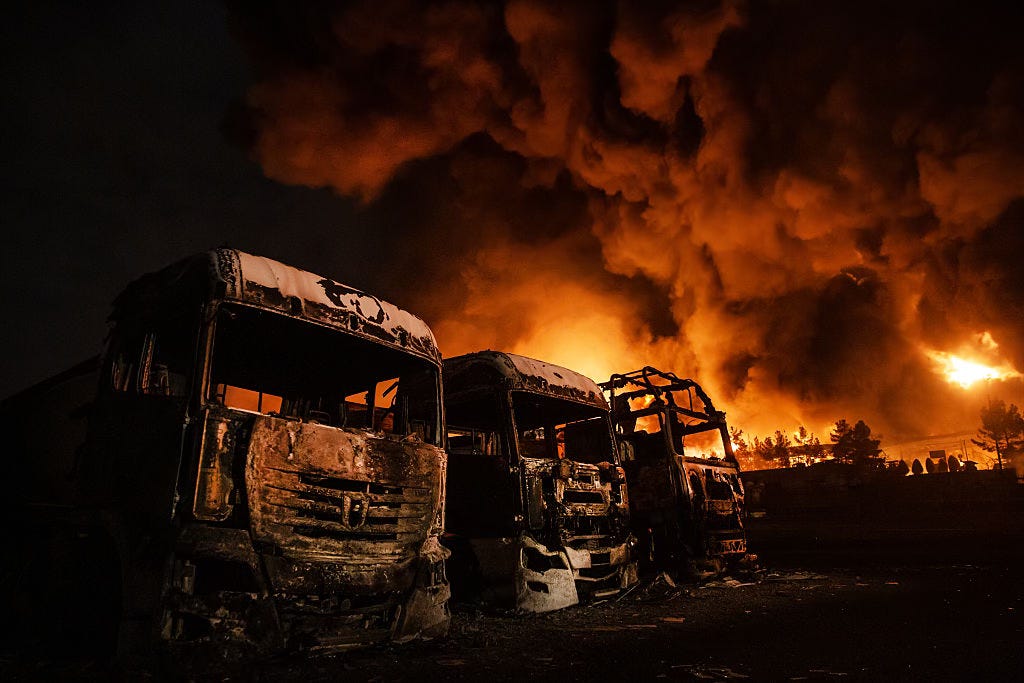
* The conflict escalated last night with US strikes ‘totally demolishing’ Iran’s key Kharg Island terminal, Donald Trump said overnight, as he asked for other nations to help the US Navy reopen the strait.
* To emphasise the success of Iran’s asymmetric warfare, its drone strikes shut the UAE’s main oil export terminal with a loss of 1 million barrels per day.
* In my view, New Zealand should launch a war-styled decarbonisation on our economy, starting with rapid and massive importation of electric cars, trucks and buses, along with shiploads of solar panels and batteries from China to install over any roof facing north. Paying subscribers can see more below the paywall fold & hear more in the podcast above.
Iran just beat the US. NZ now faces a 1970s-style shock
We haven’t seen anything like this since the early 1970s.
Most New Zealanders alive today have never experienced anything like it, and simply can’t imagine what it means, even though the signs of an economic shock are obvious and blaring of a clear and present danger to the New Zealand economy, including:
* Singapore diesel futures prices are now over US$170/barrel, implying a doubling of wholesale diesel costs and a 75% rise in the cost of the fuel that runs the economy;
* Jetfuel costs are already over US$200/barrel, implying a trebling of fuel costs for our domestic airlines and the international airlines that carry the source of our second largest export earners;
* US and Israeli strikes on Iran’s military infrastructure are now escalating to its oil terminals and refineries, including the ‘total demolition’ of the Kharg Island export terminal for 90% of Iran’s oil;
* Iran’s retaliation against Gulf states hosting US bases and its closure of the Strait of Hormuz has shut down production and export of 20% of the world’s crude oil and 30% of its LNG;
* The United States cannot quickly and safely re-open the Strait because Iran’s ‘asymmetric’ rocket, missile, drone, artillery and mine forces are deadly in the close proximities of the Strait;
* The closure and/or destruction of oil fields, refineries, terminals, tanks and pipelines in Saudi Arabia, the Gulf states, Iran and Iraq will take months to restart and/or repair to previous capacity, even if hostilities stopped immediately; and,
* New Zealand depends on importing refined fuels from Asian refineries, which rely on the Middle East for over 60% of their crude oil feedstocks and will this week receive the last of the shipments that got through the Strait before the war started.
‘Not much to see here. Move along now’
However, New Zealand’s economic and political decision-makers, including Finance Minister Nicola Willis, Assistant Energy Minister Shane Jones and Foreign Minister Winston Peters have cautioned against ‘panic’ and downplayed the need for immediate action to preserve or ration the 50 days of fuel stocks either here or in the nine ships on their way here over the next 14 days.
“We don’t need to ration it, because we know we have enough in the country for at least 50 days of provision at normal levels.” Nicola Willis in the Q+A interview with Jack Tame (below) yesterday.
This is a bigger shock to supplies than anyone has ever seen
Those born after the oil shocks of the 1970s and 1980s may not be aware of just how large the current disruptions are. This one is far bigger.
New Zealand has already moved to level one of its four-level National Fuel Plan and is currently on track to move up the levels through April and into May, given the last scheduled fuel delivery is on March 30.
Here’s the last ship scheduled to arrive at Mount Maunganui on March 30
Charts of the day: Our exposure to the closed Strait
Singapore and Korea are more than 65% reliant on Middle East oil…
…and over 75% of NZ’s fuel is imported from Singapore & Korea…
…so petrol is already over NZ$3/l & diesel is headed to NZ$3/l…
…especially with refined diesel prices already at US$170/barrel…
…and there’s a correlation between diesel inflation & NZ CPI inflation.
Cartoon: Charlize Theron?
Timeline cleansing nature pic
Ka kite ano,
Bernard