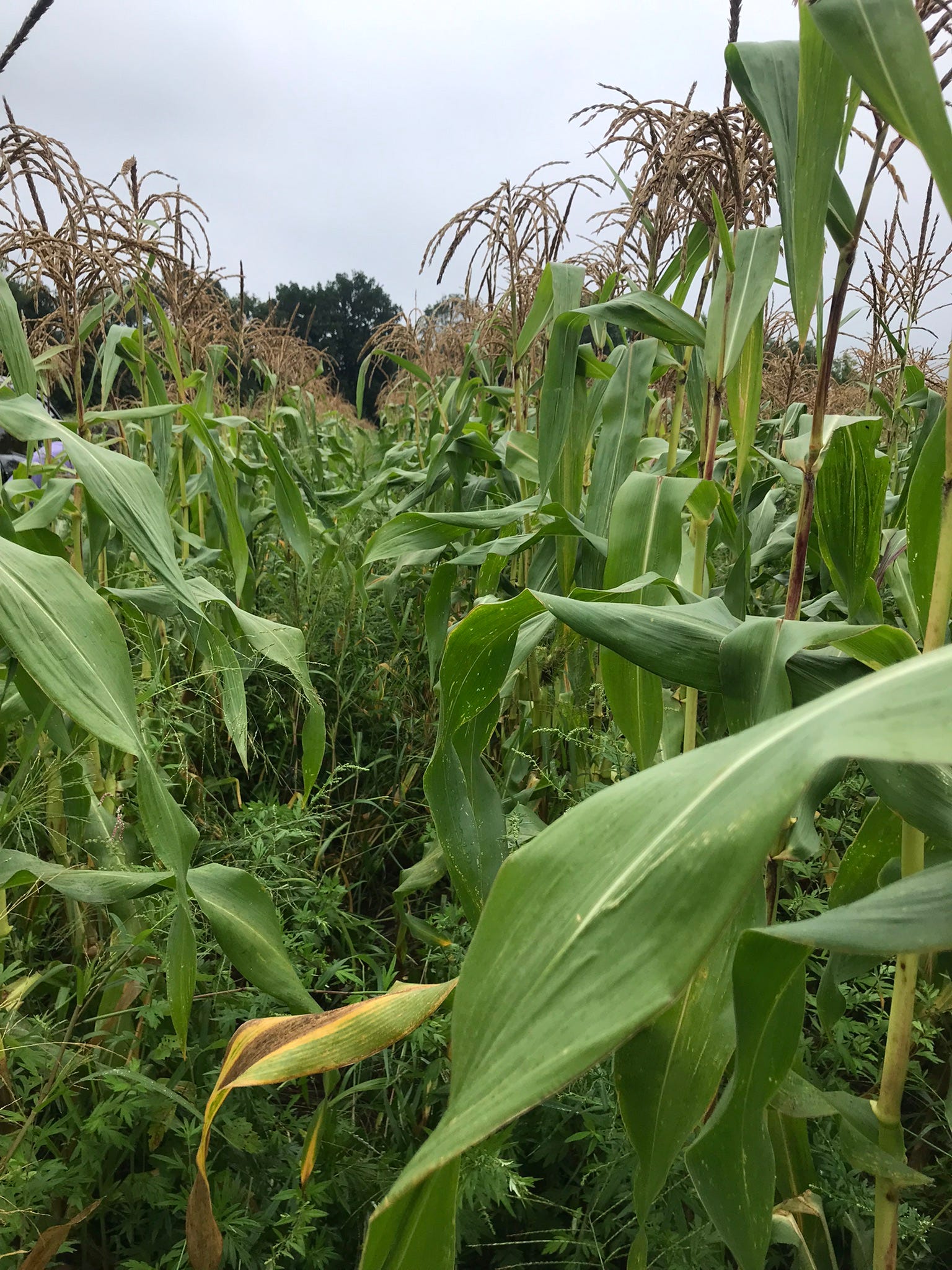
As Christianity spread half a world away, a new way of life was also taking hold here in New England. About two thousand years ago, the cultivation of corn – though curiously slow to catch on, was transforming how the woodland tribes lived and related to their environment – and to each other.
For several thousand years, the tribes that called New England home had lived as hunter gatherers. Survival was challenging, but their world was relatively peaceful. Traveling in small bands of 5-30 members, they went where, and when, the food was most plentiful. I’m sure that all the things I have tried to learn, they would have known intuitively, as they passed through the woods and fields, I now call home.
They’d have known at a glance where the deer and bear could be found, where the nuts and berries could be gathered, when the fish would be spawning and what birds would be migrating through and when. They followed the seasons and harvested what the landscape provided for them. They were friendly, family-centric and peaceful members of the Eastern Woodland Algonquian speaking tribes.
Corn started its journey to New England, 9,000 years ago, as the exotic mutant grass known as maize. First encouraged, engineered and grown by the ancient Mayans in South America, it eventually made its way north via trade routes to the southern and midwestern tribes of North America. From there, it took several thousand years more to make its way east to New England.
The native Hopewell traders of Ohio were frequent visitors to northern New England and had a well-established trade route with the Eastern Woodland tribes. Though the Algonquians were quick to adopt the ceramic pottery the Hopewell traders were known for, the concept of cultivating the soil and growing the small multicolored maize took several hundred years to really catch on. It pleases me to know that the original inhabitants of New England were as stubbornly set in their ways as some of us “Yankee” farmers are still accused of being today. Perhaps it was, and is, our unpredictable weather that makes us so resistant to change.
When the growing and harvesting of corn finally did catch on, it became a staple food, and its cultivation completely changed how the hunter gatherers lived and related to their surroundings. They became more sedentary and their populations and encampments grew exponentially. They quite literally became rooted in place and quickly discovered the gifts and burdens of agriculture.
Having cleared large swaths of woodland, planted the corn and diligently tended to it all summer, the tribes became territorial as they had now made a significant investment in their land. They learned the hard way that though corn was easy to grow and store, it was difficult to defend. There were jealousies, hostilities, and outright wars with formerly friendly neighbors. Villages became fortified and stockades were built for protection. Gone was the fluidity and cross pollination of culture, knowledge, and ideas.
Just as the seeds of Christianity united and divided nations abroad, the seeds of agriculture united and divided the former friends living among the woodlands, and newly cleared fields of New England.