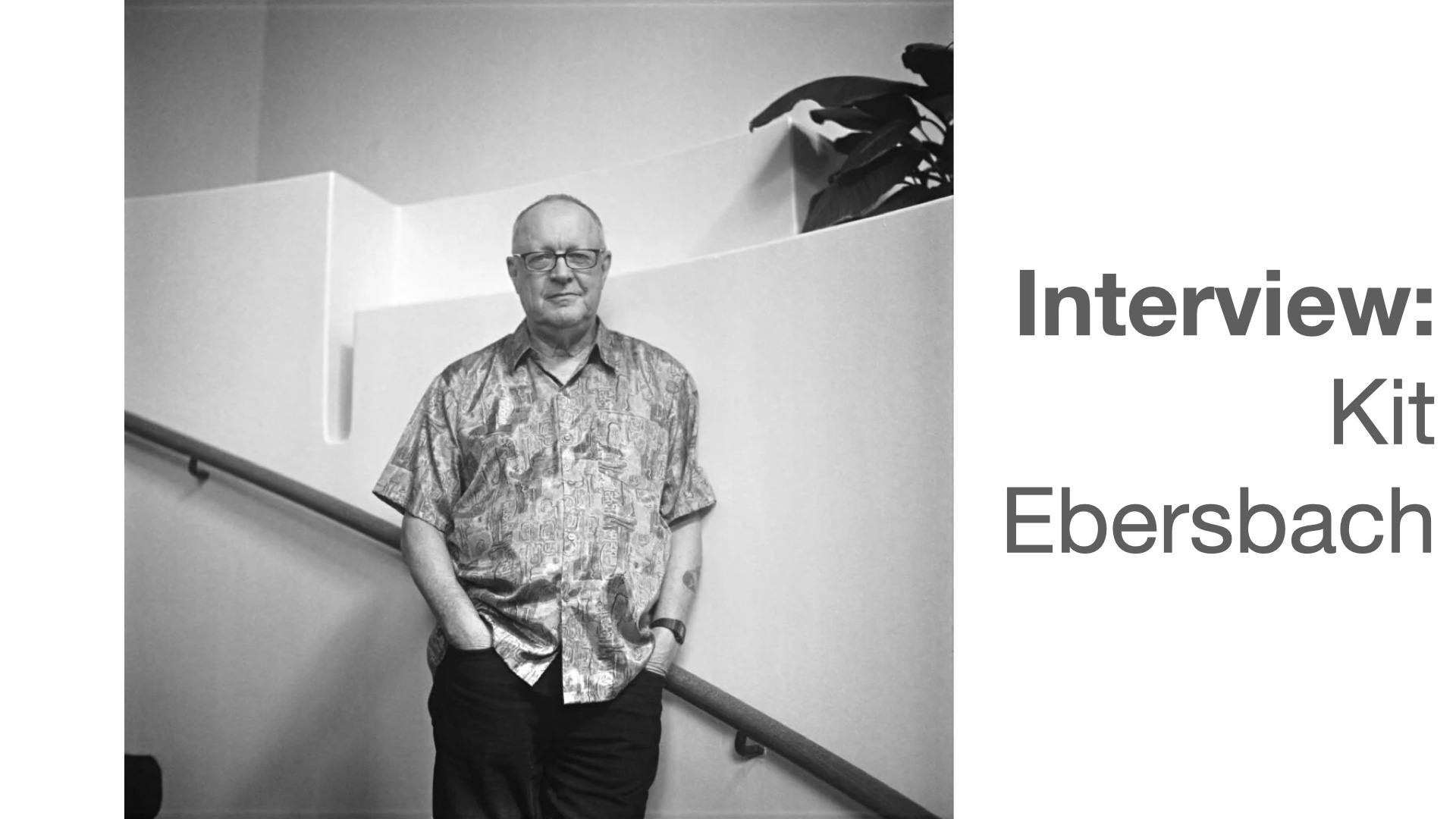
Kit Ebersbach, a multifaceted musician and arranger, shares his extensive journey through Hawaii's vibrant music scene in this personal interview. Recorded in his Honolulu studio, Kit reflects on his 30-plus years at Pacific Music Productions.
I hope most of you will enjoy the interview. This is a free flowing conversation. Just let it wash over you like you are hanging out with Kit in the studio. Kit’s passion for Hawaii, music and creative curiosity is shared.
Kit began his musical journey in the jazz clubs and R&B groups of 1960s and 1970s Hawaii. His earliest recordings were with legends like Gordon Broad, Lemuria, and Babadu. In the following decade, Kit co-founded Hawaii’s first new wave band, The Squids, whose ethos of “best quality under the circumstances” resonated deeply with the youth of the time. They were passionate, tongue-in-cheek, and constantly searching for something different.
The 1980s saw Kit and his left-field collaborators Robert ÆOLUS Myers, Nelson Hiu, and Frank Orrall pushing the boundaries of music and performance art with the highly experimental group Gain Dangerous Visions. They experimented with performance art, technology, and improvisation to create truly mind-bending experiences.
In the 1990s, Kit teamed up with advertising executive Lloyd Kandell to recreate the sound of exotica with Don Tiki. This group was one of the first to reignite the world's fascination with the pseudo-Polynesian lounge music of the 1950s.
These days, Kit lends his talent to some of Hawaii’s greatest singers, including Starr Kalahiki and Teresa Bright. His approach as an arranger and accompanist is playfully calculated and carefully exacting, bringing out the best in every performance.
Kit discusses the evolution of Hawaii's music scene from pre-tourism days, its role as a Vietnam War R&R destination, and the diverse musical opportunities it provided. He reflects on the cultural humility required to thrive in Hawaii and the profound influence of Hawaiian culture and its resistance to external pressures, such as the proposed Mauna Kea telescope project.
Kit's dedication to both commercial and non-commercial music is evident in his field recordings and his experimental projects. He emphasizes authenticity and the joy of creating music for personal fulfillment rather than commercial success. His work with the Aloha Got Soul record label and ongoing exploration of sound highlight his continued passion and innovation in music.
Kit walks us through some recent songs and closes with some notes and personal reflections on the power of Hawaii, place and finding his creative inspiration in it.
Some highlights that I enjoyed:
On Finding Everything Interesting / On Being Authentic / On Finding Value
On the essence of mana / On the spirit of Hawaii
I hope most of you will enjoy the interview. This is a free flowing conversation. Just let it wash over you like you are hanging out with Kit in the studio.
Time Stamps
* (00:00:00) Introduction - Opening Clip from Gene Artery
* (00:04:00) Kit’s background: Growing up in New Jersey, moving to Hawaii
* (00:06:00) Music scene in 1960s Hawaii and avoidance of the draft
* (00:08:00) First experiences with psychedelics
* (00:09:00) Balancing commercial and experimental music, formation of The Squids
* (00:10:00) Involvement in the Renaissance of Hawaiian culture
* (00:11:00) Realization of the need for humility in Hawaii
* (00:12:00) Collaboration with Starr Kalahiki and cultural connection
* (00:18:00) Early field recording experiences
* (00:24:00) Collaboration with Hawaiian Airlines for in-flight music
* (00:28:00) Thoughts on AI in music
* (00:29:00) Advice for other musicians
* (00:30:00) Reflection on other musicians’ talent
* (00:31:00) Being humbled by music and life experiences
* (00:33:00) Participatory nature of music performance
* (00:35:00) Views on direct-to-fan relationships
* (00:38:00) The enduring presence of Hawaiian culture
* (00:44:00) Sharing recent compositions and projects
* (00:47:00) Detailed discussion on recent album projects
* (00:48:00) Description of specific projects and methodologies
* (00:51:00) Philosophical thoughts on local identity and creation
* (00:52:00) Insights into the spiritual aspects of living in Hawaii
* (00:54:00) Kit's overall experience and the essence of living in Hawaii / “Beeg Mahalos”
Other Notes:
Gene Artery — opening song of the 2020 album Itchi Lee Presents the Dalai Lawnmower, Kit’s first covid-sequester musical endeavor. This, along with all subsequent album releases, was constructed entirely inside a digital-audio workstation, using software plugins and synthesizers, found internet audio material, and an archived collection of audio files which had aroused his interest in the past.
Other samples from
Kīpuka and Stopover(Closing Track) are from the album Buoy
More information @
Kit Ebersbach @ Aloha Got Soul
Interview @ Leafbox.com