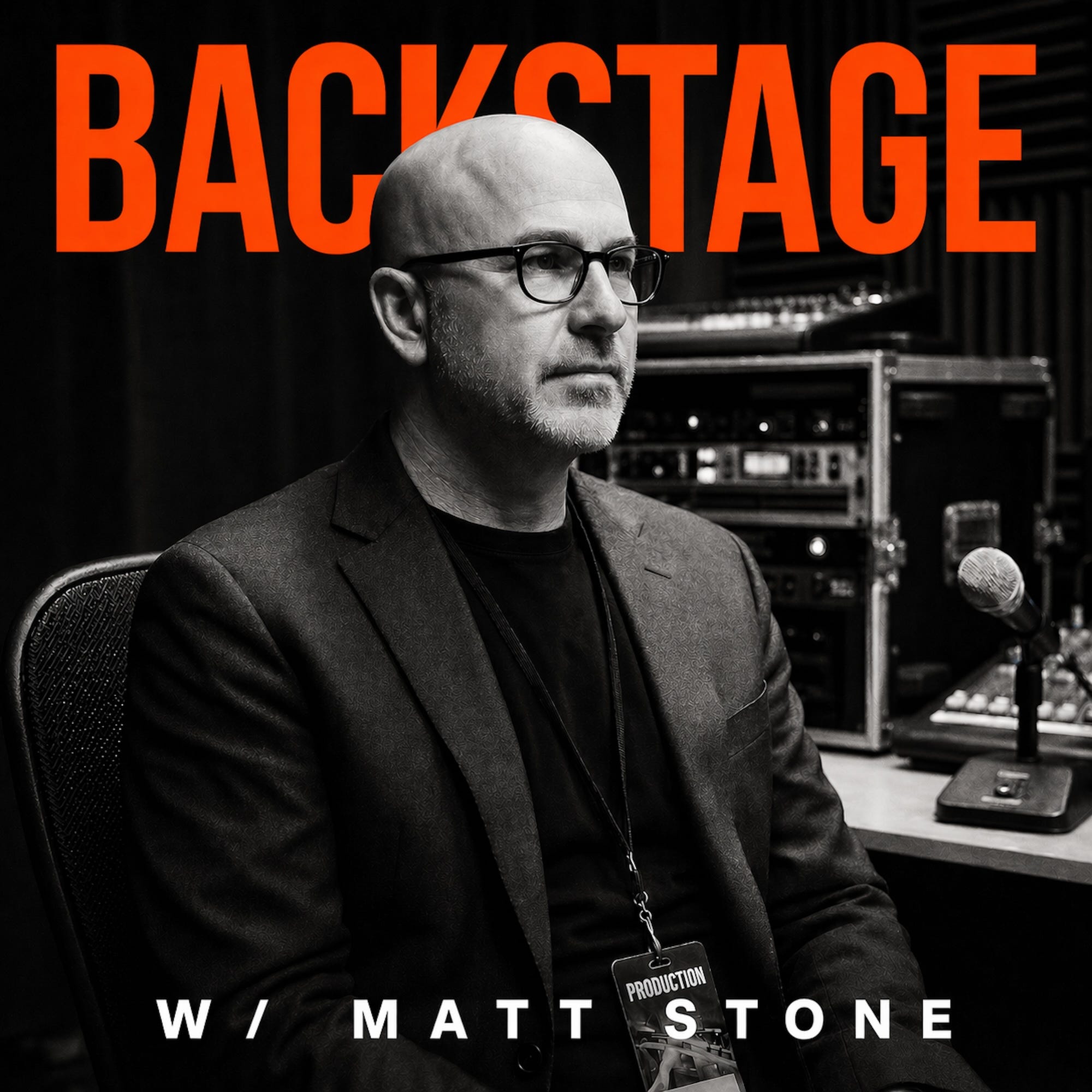
Matt braids two signals into one argument about attention. First, fresh German research (the Seven.One Audio Podcast Report 2026) that cuts against the everyone-has-a-goldfish-attention-span story: overall daily podcast listening jumped 44% year over year, active listeners average 75 minutes a day, and Gen Z averages 78. In a world of endless short clips and thumbs flying, people will still give long, sustained attention to a voice they trust and choose. His read: we don’t have less patience for content, we have less patience for low-value content, and we’ll pour time (and money) into the voices that genuinely feed us, usually the ones that invite us to see ourselves in them. That reframes short form and long form. Short form is the bait on the hook, a couple of notes from the opus that tells new people you’re there. Long form is where the relationship actually gets built. And consistency is part of it too. Matt’s candid that bouncing around on posting days hurt his own show, and that landing on a reliable Monday-through-Thursday rhythm builds trust as much as the substance does.
The second signal comes from the speaker world, where he’s watching keynotes shift from sit-and-listen toward do-it-now. The programs catching his eye promise research-backed, tactical takeaways, peer conversation, and design sessions where the whole room works the problem in real time and produces something before anyone leaves. People don’t want to watch the movie and get on with their day. They want to stop it and talk about what they just saw. Matt notices he keeps designing his own workshop exactly this way without planning to, a sign your instincts are picking up signals before your conscious mind catches up. He ties it back to a decade of leadership and feedback work, where the deepest learning almost never came from the materials or the theories. It came from finally having the real conversation. The through-line for both signals is the same: connection is where the value is. Don’t sell out the human race just yet. Settle in for the long haul, become a voice people trust to curate and to feed them, and get your audience doing something, not just hearing something. His question: how can you get the people you’re reaching to make or produce something during or right after your message, instead of just consuming it?