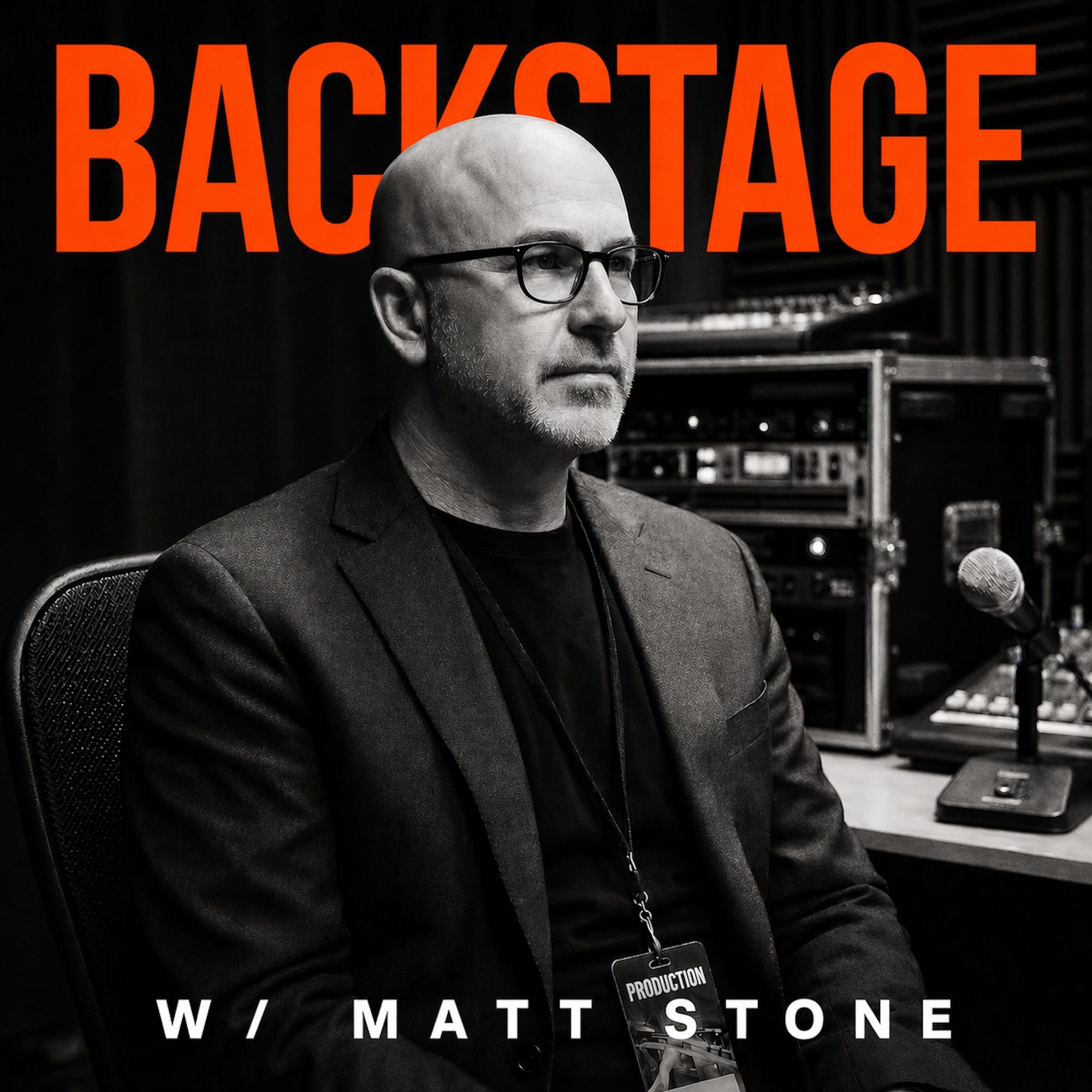
[Note: This is the last Backstage episode this week. Back at it Monday, October 19th.]
Matt opens on a fresh Axios piece from co-founder Jim VandeHei that names a real shift: business communication now has a third audience. For years executives communicated to two, the internal team and the external world of customers, investors, and the public. Now AI is a distinct third audience, because people increasingly discover companies, products, and experts through AI-generated answers rather than search, and agents are starting to research and decide on people’s behalf. VandeHei’s fix starts with clarity: consistent language on what matters, why it matters, and what evidence backs it up (Axios does it with its Smart Brevity structure). Matt’s addition is the tension underneath. Humans respond to personality, story, and emotional resonance. AI systems want accessible, structured, consistent information. There’s overlap, but they’re not the same, and he’s honest that an obviously AI-written one-to-one email is a turnoff, because it leaves you less connected to the person who sent it.
That leads to the heart of it, a defense of human messiness. We play in the mud. We stumble, repeat ourselves, search for the word, and that imperfection is itself a signal that we’re working things out in real time, so natural that listeners fill in the word right alongside us. The danger isn’t using AI, Matt uses it like everyone, it’s letting the structured, machine-readable version drown out the searching, stumbling, unfiltered human process. His bet is that demand for unassisted human communication only goes up as AI does more of the analysis, because living in a bot-driven comms world simply isn’t satisfying. Sitting at a cafe with a friend, communication unaided by anything but a cappuccino, now feels like a beautiful indulgence, and he thinks that feeling has merit and whole businesses will be built around it. His own answer to doing both at once is the interview: being interviewed by a high-EQ person who senses where you are emotionally and pulls the thread instead of marching down a question list. It captures compelling human narrative and documents your professional identity in a form AI will recognize, and it’s why long form still resonates even in the short-attention era. His question: what’s the most meaningful thing you do that’s completely offline?