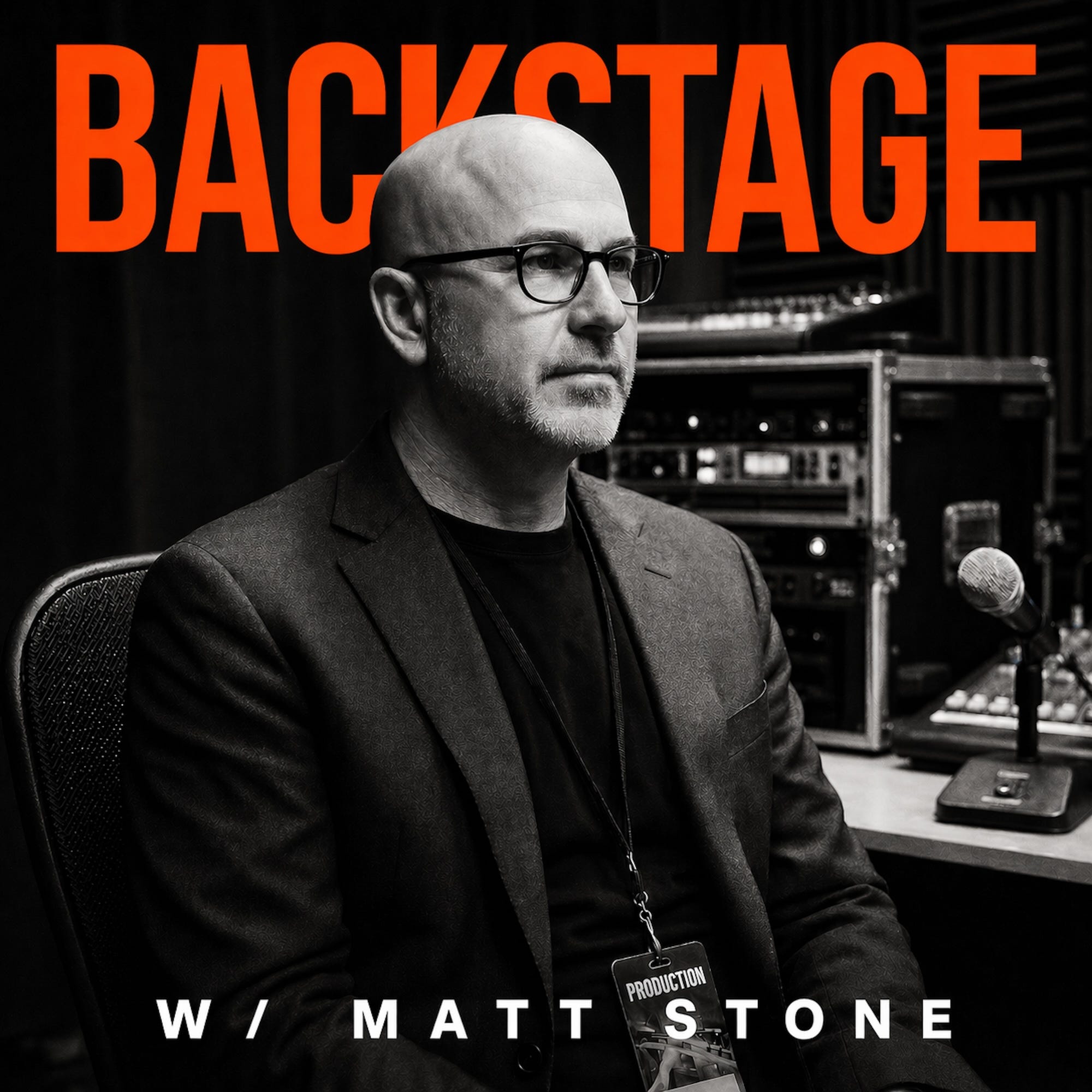
Matt has AI fakes on his mind. If you’ve been on YouTube and seen someone who looks and sounds exactly like a creator or commentator you know, in their usual setting, but on a strange channel saying things you’ve never heard them say, you’ve met the problem. He’s learned to assume that unless he’s on a person’s official channel, what he’s watching may not be real, a skepticism that used to feel tinfoil-hat and is now just well-founded. He points to Washington Post reporting on the bipartisan No Fakes Act, which would create federal protection against unauthorized digital replicas of a person’s voice or likeness while preserving exemptions for news, commentary, satire, and parody. Physician-creator Joel Bervell found an AI version of himself endorsing a product he’d never used, and named the real harm precisely: the fake wasn’t simply borrowing his face, it was borrowing the trust tied to his medical license and his relationship with his audience. Therapist-creator Kati Morton says she runs into fakes of herself all the time. For creators, this isn’t just identity theft, it’s a threat to sponsorships, credibility, and hard-earned audience trust.
Matt’s point goes past the danger to the opportunity. In a world where you can no longer assume what you see is real, the move is to build a clearly-owned home base, channels plainly labeled as the real ones, where you show up yourself and keep a genuine feedback loop with your audience (and he’s careful, as always, not to call every following a community). That home base does double duty: it deepens the intimate trust that makes your work matter, and it gives you a place to warn people when a fake shows up wearing your face. He frames it as another form of hacking, copying you without ever touching your account, and admits it’s hitting different than past threats. But he doesn’t think a truly post-factual world can sustain itself. People don’t like being tricked, except when they opt into it, like a game, and the more they realize some of what they’re watching is fabricated, the more they’ll double down on the voices and places they trust. So build the trust, and build a space where people know for certain they can find the real you.