Demoralization isn’t despair. It’s worse.
Despair is emotional. Demoralization is structural. It’s what happens when people stop believing that effort matters, that institutions can work, that truth can be defended, or that resistance is worth the cost.
You don’t need tanks in the streets to achieve it. You only need time, pressure, and the gradual erosion of belief.
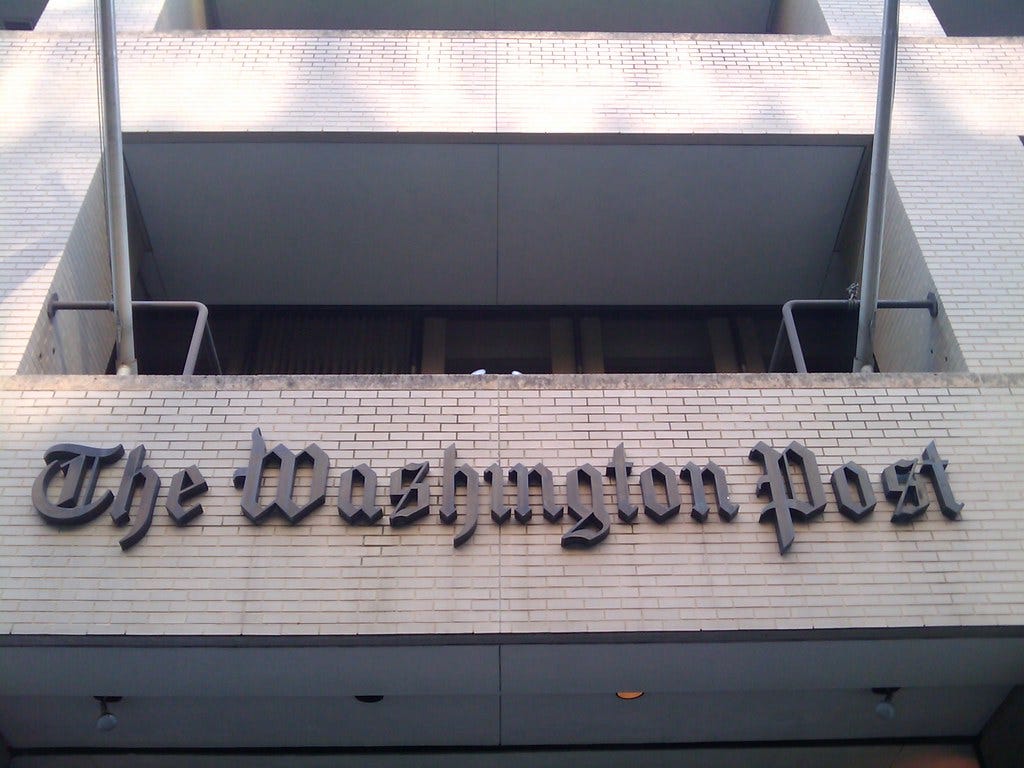
Which is why the ongoing diminishment of the Washington Post matters far more than it looks on the surface.
CEO Will Lewis stepping down, a recent and possibly fatal round of layoffs, shrinking coverage, and the quiet retreat from ambition at one of the most important newsrooms in American history are being treated as a business story. And yes — it is a business story.
But it’s also something else. It’s part of a bigger story.
Demoralization.
It’s another blow aimed at our institutions — a grim echo as each one falls — and it feels like they’re going down like dominoes. A free press. The rule of law. Individual rights. Our cultural centers. Empathy and decency as core values.
What Demoralization Actually Is
In military and psychological terms, demoralization isn’t about fear. It’s about futility.
The goal isn’t to terrify people into submission. The goal is to convince them that nothing they do will change anything.
Once that belief sets in, resistance collapses on its own.
This idea is ancient. Armies spread rumors of inevitable defeat before battles. Empires allowed institutions to rot while insisting everything was “normal.” Twentieth-century regimes refined it into doctrine — psychological warfare, ideological subversion, managed reality.
The principle never changes: break confidence first, and everything else follows.
How Demoralization Works in Modern Societies
Today, demoralization doesn’t arrive with propaganda or secret police alone. It arrives with exhaustion.
It looks like this:
• Institutions that once felt permanent begin to shrink• Owners and leaders grow cautious, then compliant• Truth becomes negotiable• Expertise is mocked, then sidelined• Accountability fades
Eventually, people stop asking who’s right. They ask why bother. There’s so much b******t on TV, in the papers, on the websites, on our social feeds, who's got time to figure out what’s real anymore?
That’s not chaos. That’s paralysis.
Late-Soviet Media: The Model Case
By the late Soviet period, censorship alone wasn’t doing the real work. Demoralization was.
Journalists knew the rules. Editors knew what couldn’t be said. Everyone understood the boundaries — and, more importantly, that pushing against them was pointless. They knew how to obey in advance.
The result wasn’t belief in state lies. It was disengagement.
People read newspapers they didn’t trust, wrote stories they didn’t believe, and participated in institutions they quietly despised. Cynicism became the default survival strategy.
By the time glasnost arrived, the damage was already done. The press hadn’t just lost credibility with the public — it had lost morale internally. The will to defend the institution was gone.
That’s how systems hollow out before they fall.
The Internal Demoralization of Journalism
This is the part that gets missed.
Demoralization doesn’t just happen to audiences. It happens to the people inside institutions first.
When journalists watch owners bend the knee — to political pressure, to power, to access, to fear — something breaks.
Reporters start self-editing. Editors stop backing them. Risk becomes something to avoid rather than manage. The mission shrinks. Ambition feels naive.
Even when good work continues — and it does — the sense of shared purpose erodes.
People leave not because they stop caring, but because caring starts to feel pointless.
That’s demoralization at work.
Why the Washington Post Matters
You don’t have to romanticize legacy media to understand the symbolism.
For decades, the Washington Post stood for institutional memory, aggressive reporting, and the expectation that power would be challenged and documented. It was a stabilizing force in a chaotic information environment.
So when that institution visibly contracts — when whole layers of coverage vanish, when veteran journalists speak openly about disillusionment, when caution replaces confidence — the signal travels far beyond journalism.
The public doesn’t parse balance sheets. They absorb a simpler message:
“Another pillar is gone.”
And that message lands in a moment when people are already overwhelmed, polarized, and unsure who or what can be trusted.
Demoralization thrives on accumulation. This is one more weight — one more stone added atop the chest. Breathing becomes too much work.
Intent Doesn’t Matter. Effect Does.
Here’s the uncomfortable truth.
Demoralization doesn’t require a conspiracy or coordination.
Economic pressure, technological disruption, timid ownership, and fear of political retaliation can achieve the same result — especially when they all push in the same direction.
A weakened press doesn’t cause demoralization by itself. But it removes one of the few tools a society has to resist it.
And when journalists themselves begin to doubt that their institutions will stand behind them, the damage accelerates.
The Quiet Danger
Demoralization doesn’t look dramatic.
It looks like disengagement. It looks like silence where there used to be argument. It looks like outrage that burns briefly, then dies out.
That’s why it works.
And that’s why the diminishment of the Washington Post isn’t inside-baseball media news. It’s a warning signal.
The masthead of the Post reads, “Democracy dies in darkness.” The darkness it’s dying in now is a darkness of the soul — a weariness that falls like night.
Demoralization doesn’t end a society.
It convinces society to give up on itself.
What do you think? Please leave a comment below. Also, check out the Disciples of Democracy podcast… a new episode that dives deeper into this article is being recorded this week.