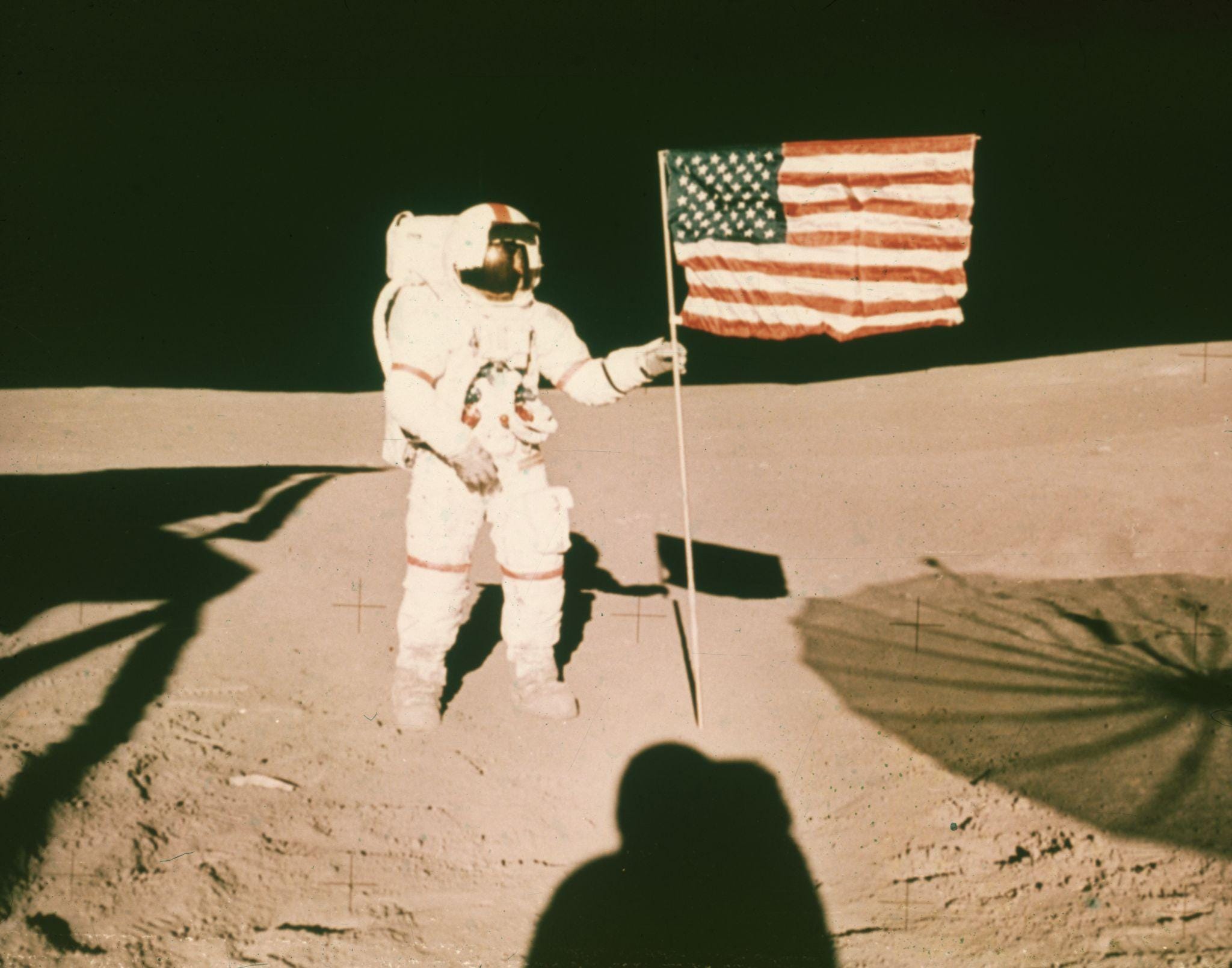
Science fiction writer Arthur C. Clarke, looking into the future, once wrote that one day the United States would be mainly remembered for one thing: that it was the first nation-state to land humans on the Moon.
That was supposed to be permanent. A defining line in history.
But these days, there are Americans who aren’t aware of that fact. And a disturbing number who still insist it was fake. That alone tells you something has shifted — not just in knowledge, but in confidence, in the sense that big things actually happened and still matter.
Which makes what’s happening right now in low-Earth orbit all the more troubling.
The International Space Station — the aging, football-field-sized marvel that has hosted nearly 300 people over more than 25 years of continuous human habitation — is on its way out. Its planned retirement is 2030. And what’s supposed to replace it is, at least for now, more concept than reality: computer renderings, startup promises, and a NASA process that has moved slowly enough to raise real doubts about whether anything will be ready in time.
Meanwhile, the world doesn’t pause.
China finished building its own space station — Tiangong — in 2022. It’s operational. It’s staffed. And it’s already becoming a platform other countries can align with, technologically and politically.
And above all of this sits the larger promise — and the larger question — of returning to the Moon.