Thank you for tuning in!
This is part of a series of communion meditations on the Lord’s Prayer
“Forgive us our Trespasses”
Matthew 6:12, “forgive us our debts, as we forgive our debtors.”
Here, at the center of the Lord’s prayer, Jesus teaches us to ask God for the forgiveness of our debts. This might, at first blush, seem like a strange request. Does God own a credit card company? Is he a mortgage lender? In what sense do we owe God a debt that must be forgiven?
The term that Jesus used in the book of Matthew does often refer to financial obligation. But the parallel passage in Luke chapter 11 can help us understand what Jesus means: there Luke records Jesus as praying, “forgive us our sins, as we forgive everyone who is indebted to us.” Here, Jesus draws a connection between our sin and debt. To sin is to, in some form or fashion, incur a debt toward the one sinned against.
So how does our sin indebt us toward God? We might first ask what we owe God. Human beings were created, in the beginning, to image God and reflect his character and rule to all of creation. As those who are made by him, we owe him gratitude for the gift of life, and we owe him unfailing praise, worship, and obedience. So, if that is our obligation—just by virtue of existing—we should ask, do we fulfill our obligation? And, of course, the answer is no. We don’t even come close. Ever since Adam and Eve first rebelled in the garden against the rule of the Almighty and sought their own way, human beings have been born in sin. We are implicated in the sin of Adam, who was there as the representative head of the human race, but we then compound our guilt each day with attitudes, actions, and words which fall short of God’s Holy standard.
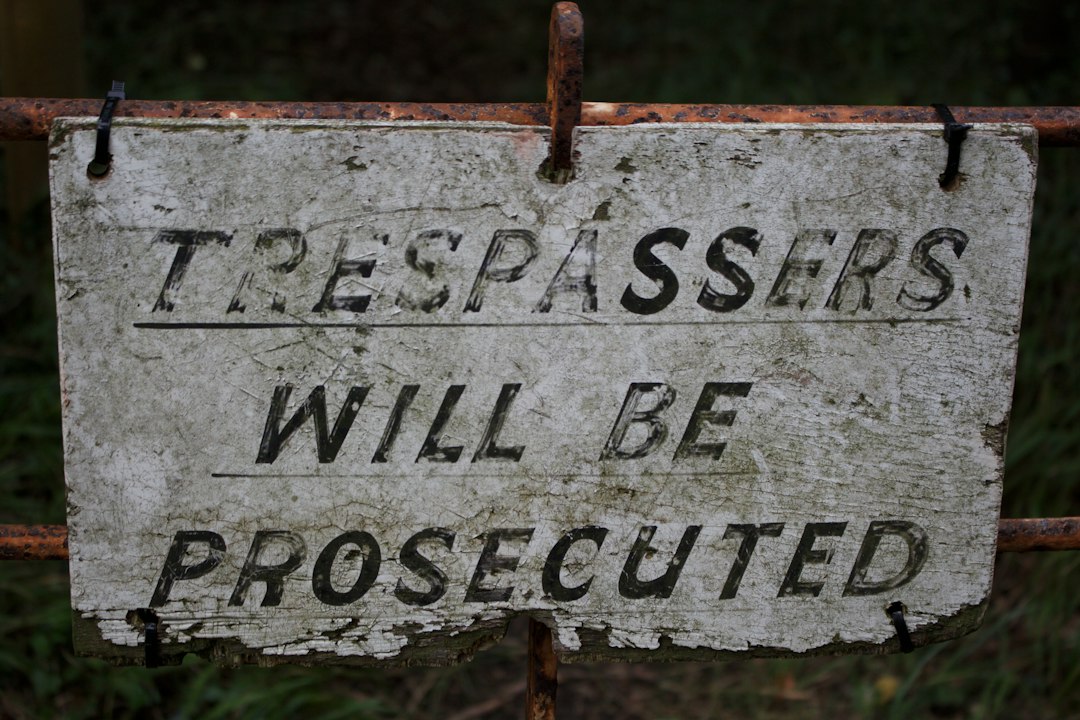
We recite the version of the Lord’s prayer found in the Book of Common Prayer, which uses the translation “trespasses” — and that’s the same idea. When we transgress the standard of God’s law in any way, we are trespassing against his holiness. And so we incur a debt to God.
But this is a debt which we literally have no way of paying for. Because the standard is unfailing obedience and praise, unceasing worship, we have no way to accumulate a surplus. If, in any given moment, you are obedient, that is simply what you owe to God in that moment. There is no way for you to stockpile good works to offset your failings. And so what we need is not a list of good works to make up for the bad ones. We need forgiveness for how we have trespassed. We owe God an incalculable debt, a debt we could never pay. And so we plead for his mercy. Forgive us our debts. Those places we have transgressed the law of God are too numerous to count.
And this, of course, is the point of the Table. To remind us of the price that was paid for the forgiveness of our transgressions. The Lord Jesus paid the debt we owe, so that we can be forgiven.
So, brothers and sisters, let us draw near with grateful hearts. If you have not trusted Jesus as your personal Savior, let the bread and the cup pass by. The apostle Paul warns against receiving the elements in an unworthy manner. But if you know the Lord Jesus, then take and eat. Remember his blood shed and his body broken for your sake. To purchase and seal the forgiveness you need.