We won’t always agree. No, let me rephrase that. We won’t ever agree—on everything doctrinal and practical about the faith.
History indicates this and the Bible recognizes it. The Apostle Paul recognizes this in the early church regarding worship choices. Historically, Baptists have also recognized this in one of the key Baptist Distinctives—individual soul liberty and responsibility.
We will all give account to God individually for the things we believe and practice. We will not be able to hide behind the Church, Church leaders, or a denominational structure.
Theological Boundaries
But we also must somehow determine what essential obedient Christianity looks like. Theologically, the early fundamentalists were not trying to determine what was obedient or not, but rather the theological boundaries of true Christianity. They wrangled and battled over the “fundamentals” and eventually settled on a consistent set of doctrines that comprised essential Christianity. They called these doctrines the Fundamentals and we have discussed them often over the years.
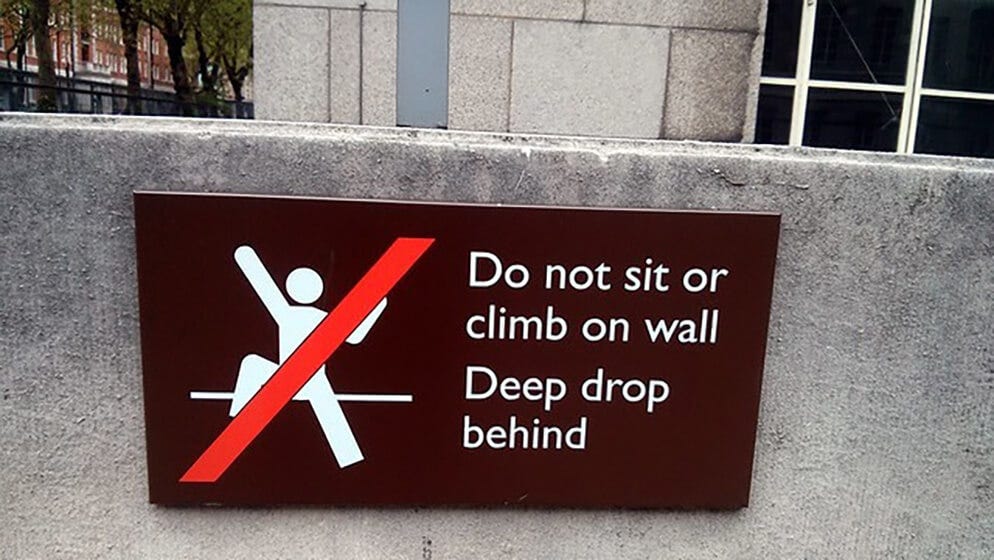
They put a fence around the playground of Christianity and said that once you cross the fence, you can no longer legitimately call yourself Christian.
Moral boundaries.
Paul does not draw just theological boundaries, but also moral boundaries around the faith, in 1 Corinthians 5:9-11. ….
Read the rest of the post here, or just listen to the podcast.