Transcript and summary produced by AI — please comment if you notice any errors.
Outline of the Sermon
I. Introduction
* Opening prayer.
* Reading of Psalm 110 – the most quoted Old Testament passage in the New Testament.
* Emphasis on Jesus’ identity as the Messiah and the "Lord" in Psalm 110.
II. Jesus and Psalm 110
* Jesus uses Psalm 110 to challenge the Pharisees’ understanding of the Messiah.
* The Messiah is both David’s son and David’s Lord, showing Jesus’ divinity.
* Key theme: Jesus is the warrior king, seated at God’s right hand, equal with God.
III. Melchizedek and Genesis 14
* Introduction to Melchizedek, mentioned in Psalm 110 and Genesis 14.
* Genesis 13 recap: Lot chooses Sodom for prosperity.
* Genesis 14 narrative:
* War between four powerful kings (led by Ketolamer) and five Canaanite kings.
* Lot is captured in the conflict.
IV. Abram’s Response and Rescue
* Abram hears of Lot’s capture and leads 318 trained men in a successful night raid.
* He rescues Lot and others, recovers their possessions.
V. Meeting Melchizedek
* Melchizedek, King of Salem (peace), Priest of God Most High, meets Abram.
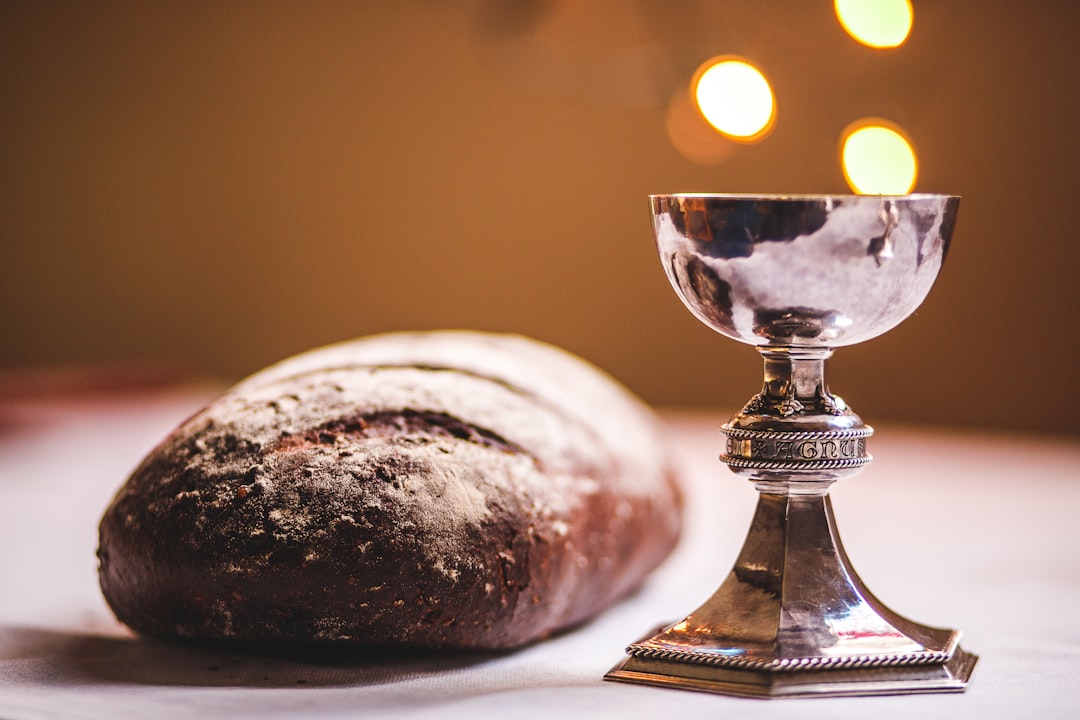
* Brings bread and wine, blesses Abram, and acknowledges God’s deliverance.
* Abram responds by giving a tenth of the plunder.
VI. Spiritual Significance of Melchizedek
* His title (King of Salem), name (King of Righteousness), and roles (priest-king) are unique.
* A foreshadowing of Christ:
* Jesus is a priest not by Levitical lineage but after Melchizedek’s order.
* Referenced in Hebrews 5–7 and Psalm 110.
VII. Jesus: King of Righteousness and Peace
* Jesus is:
* Righteousness (1 Cor. 1:30; 2 Cor. 5:21).
* Peace (Eph. 2:14; Col. 1:20).
* Through Jesus, we have peace with God (Rom. 5).
* Jesus is both king and priest, interceding for us.
VIII. Contrast Between Abram and the King of Sodom
* King of Sodom offers Abram all the goods.
* Abram refuses: he will not let evil claim credit for his prosperity.
* Instead, he honors God with a tenth and gives the rest to his allies.
IX. Principles of Generosity
* Abram’s giving was an act of faith and worship, not obligation.
* Application of 2 Corinthians 9:6–15:
* God provides so we can give generously.
* Giving is an act of gratitude and trust in God’s provision.
X. Conclusion
* The life of Abram models faith in action:
* Obedience, sacrifice, generosity.
* Final challenge: How is God calling you to honor Him?
* Closing prayer.
📝 Summary of the Sermon
This sermon explores the rich connections between Genesis 14, Psalm 110, and the New Testament teachings on Jesus as both King and Priest. It begins with a reading of Psalm 110, emphasizing its prophetic description of a Messiah who is both divine and victorious, seated at God’s right hand. The sermon then turns to Genesis 14, where Abram rescues his nephew Lot from invading kings. After the battle, Abram is greeted by Melchizedek, king of Salem and priest of God Most High, who brings bread and wine and blesses Abram. In response, Abram gives him a tenth of everything.
The preacher explains that Melchizedek is a type of Christ, a figure pointing forward to Jesus, who is described in Hebrews as a priest forever after the order of Melchizedek. Jesus, like Melchizedek, is both king of righteousness and king of peace. His death and resurrection establish him as our intercessor and high priest who gives us righteousness and peace with God.
The sermon contrasts Abram’s faith and generosity with Lot’s short-sighted pursuit of wealth and the king of Sodom’s corrupt offer. Abram refuses worldly gain that would rob God of glory and instead chooses to honor God with his possessions.
Finally, the preacher draws practical application from 2 Corinthians 9, urging believers to trust God’s provision and practice generosity as an act of worship, not compulsion. The message closes with a call to consider: “How is the Lord calling you to honor Him?”
We're going to be in the book of Genesis again this morning, but before we go to Genesis, I want to read Psalm 110.
Psalm 110. This is the most cited Old Testament passage in the New Testament. Psalm 110 begins this way. A Psalm of David. The Lord says to my Lord, sit at my right hand until I make your enemies your footstool. The Lord sends forth from Zion your mighty scepter. Rule in the midst of your enemies. Your people will offer themselves freely on the day of your power in holy garments. From the womb of the morning, the dew of your youth will be yours. The Lord has sworn and will not change his mind. You are a priest forever after the order of Melchizedek. The Lord is at your right hand. He will shatter kings on the day of his wrath. He will execute judgment among the nations, filling them with corpses. He will shatter chiefs over the wide earth. He will drink from the brook by the way. Therefore, he will lift up his head.
If you want to turn to Genesis 14, that's where we're going to be this morning. But that psalm, Psalm 110, as I said, it's the most cited text from the Old Testament in the New Testament. It was foundational both to Jesus' own self-understanding of who he was as the Messiah and also central to how the apostles and the writers of the New Testament understood who he was, who Jesus came to be.
You might think one of the most famous places that Jesus quotes that passage is when he is stumping the Pharisees, and they've been asking him all kinds of questions, and he says, oh, I've got a question for you. And then he quotes Psalm 110 and says, the Lord said to my Lord, well, how is the Messiah David's son? That's what they thought, like 2 Samuel 7, there was a promised coming son of David that would be the everlasting king. So they were right to assume that the coming Messiah was David's son. But Jesus says, David, who wrote Psalm 110, says, the Lord, Yahweh, says to my Lord, my Adonai, my ruler. So David is referring to this Messiah of Psalm 110 as his Lord. So Jesus self-identifies as the one that Psalm 110 speaks about, this coming warrior king.
He is the one who is coming, and he's going to crush the enemies of God. He's going to destroy God's enemies, and he sits at the right hand of God. He's distinct from God, and yet he is equal with God. He's distinct from the Father, and yet equal to him. He is this warrior king.
But in the middle of that psalm, Psalm 110 verse 4, is a reference to this man named Melchizedek. You are a priest forever after the order of Melchizedek. It's the only reference to Melchizedek in the Old Testament outside of our passage here in Genesis 14.
One of my favorite signs driving through South Dakota is when you get close to Canabek. It says, where the heck is Canabek? I could not stop thinking this week as I was looking at this, who the heck is Melchizedek? It's a question people often ask when you come across him in the book of Hebrews, which we'll go to later, or when you see him in Psalm 110, you go, after the order of Melchizedek, who is this guy? We'll find out.
Before we get there, we need to connect back to where we were last week. Last week, we looked at chapter 13, and we left Lot headed for Sodom. Not a good place to go. But Lot and Abram had both grown very prosperous. Abram more so, but Lot was prosperous as well. And the land where they were dwelling together couldn't support both of them. And Abram says to Lot, we need to split up so that we can continue to be at peace. And he gives Lot the choice of where to go. And Lot heads to the valley of the Jordan. He sees this plain where there are these cities, including Sodom and Gomorrah, they are very well watered. They are lush. They are perfect places to graze your herds. And they are filled with these cities of Canaanites who are identified by their wickedness. Chapter 13, verse 13. Now the men of Sodom were wicked, great sinners against the Lord.
So Lot chooses to pursue his own earthly prosperity, pursue his own glory, as we talked about last week, by putting himself in league with these Canaanites, in league with these cities. It's not wrong to look for things to be advantageous in terms of your earthly pro…