Greetings Friends,
In the heartbreak, pain, confusion of this moment. I wish to remember together the Way of the Bodhisattva.
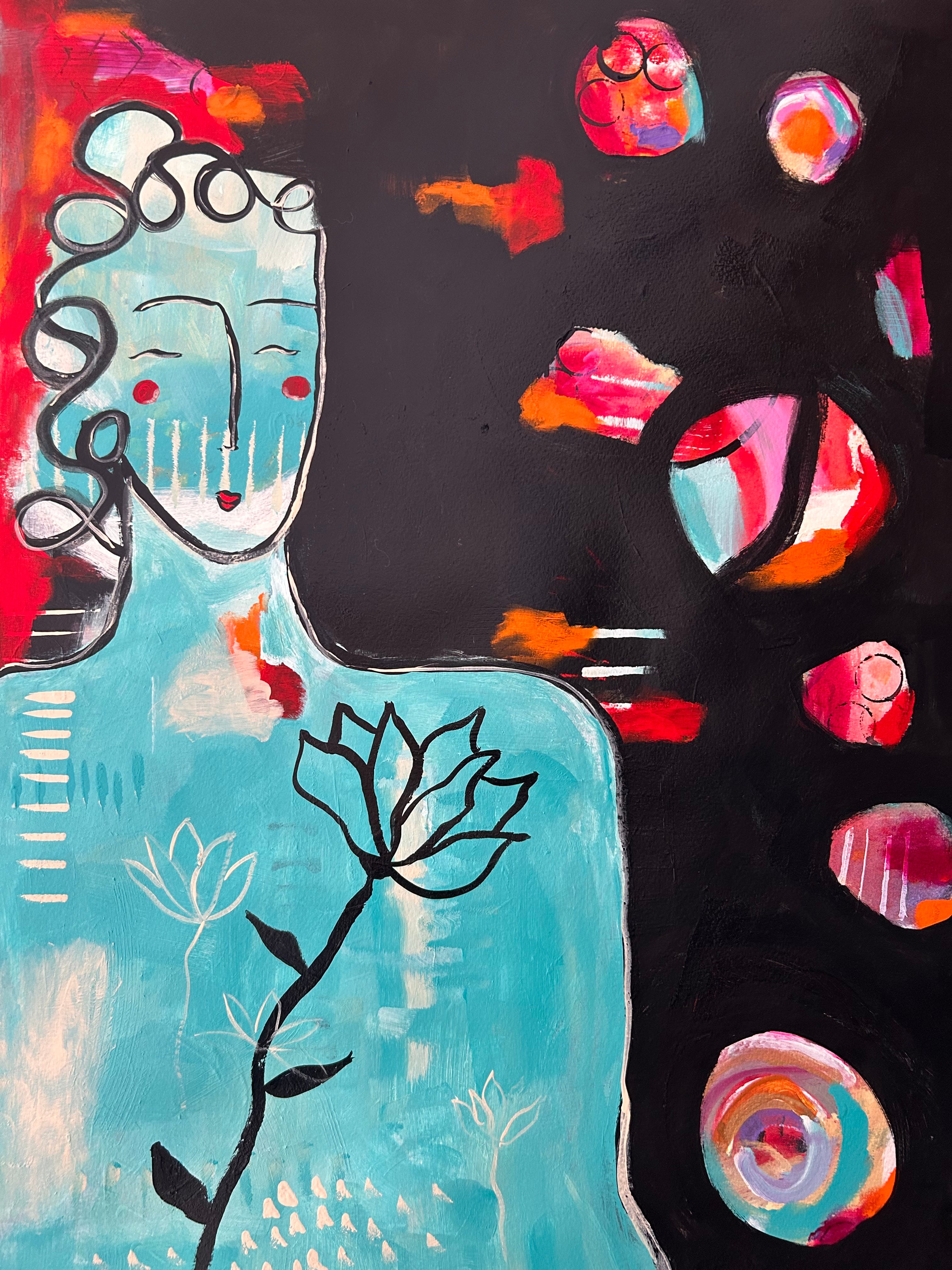
The image or archetype of the Bodhisattva resonates deep in the hearts of those oriented towards love for this beautiful and broken world.
For a Bodhisattva is motivated to relieve suffering and pain, as they work towards a liberation for all beings. This is the spiritual warrior, who knows that this life is not our own but a shared life.
Practice of a bodhisattva is a practice of compassion which has two important dimensions Boundless Compassion or Absolute Compassion and Engaged Compassion or Relative Compassion.
Boundless Compassion is a view we can practice and eventually realize. It’s something we sense or know, without thinking. Boundless Compassion reminds us that compassion is our nature. That nothing need be done because it is already so.
The spacious, clear source of our being gives rise to compassionate activity. Without needing to think about it, we respond, we care for others. Our heart is inseparable from all that appears in awareness.
This body-heart-mind is an organ of compassion.
Is the expression of compassion.
Is the vehicle of compassion.
There is nothing we need to do make it this way.
We practice recognizing and trusting our innate compassion in meditation on and off the cushion.
Engaged Compassion is the practice of cultivating compassion through our living. Shantideva in his treatise on The Way of the Bodhisattva invokes the aspirational spirit of compassionate service through this heart-felt prayer. Below is an excerpt, in the original Shantideva goes on and on, connecting to this deep intention to offer himself and is practice for the liberation of all beings.
Shantideva’s Way of the Bodhisattva
For all those ailing in the world,
Until their every sickness has been healed,
May I myself become for them
The doctor, nurse, the medicine itself.
Raining down a flood of food and drink,
May I dispel the ills of thirst and famine.
And in the aeons marked by scarcity and want.
May I myself appear as drink and sustenance.
For sentient beings, poor and destitute,
May I become a treasure ever-plentiful,
And lie before them closely in their reach,
A varied source of all that they might need.
My body, thus, and all my goods besides,
And all my merits gained and to be gained, I
give them all and do not count the cost,
To bring about the benefit of beings.
My dharma brother Soten Danney Lynch wrote a rendition of Shantideva’s prayer that we would sing at the monastery. You can listen here.
I share this prayer because it can invoke in us the spirit of offering, of recognizing our life as a shared life and awaken in us a deeper connection to the compassion at the heart of our being.
I also want to share a teaching called the Five Compassions that can help us connect to a sustainable, joyful and wise compassionate response in our living. The Buddha warned that the near-enemy of compassion is pity. Others have pointed out that empathy, righteousness, and trying to be good out of guilt, or a sense of inadequacy can sometimes feel like compassion but often lead to burn-out, fatigue and resentment.
The Five Compassions of Engaged Compassion
Wise/Curious Compassion—grounded in the experience of interconnection. A response coming from discernment and deep listening.
Fierce/Courageous Compassion—a response aimed to protect self or others, this could include boundary setting, speaking up or acting in a way that even risks one’s own safety to protect another
Patient/Calm Compassion—slow, steady, showing up for something or someone we care about or believe in. The longview in bodhisattva language that we will work to help all beings find liberation lifetime after lifetime. A recognition that true, deep, sustaining change often takes time.
Joyful/Content Compassion—activity that is nourishing for us and brings us joy or contentment, in Hakomi they use the phrase non-egocentric nourishment to talk about this quality
Unified/Confident Compassion—in alignment with our vows, values, capacities
Usually all or most of these qualities need to be present in order for our response to feel sustainable and genuine. Compassion is directionless sometimes our compassionate response is directed towards ourselves, and sometimes towards others—is there a difference?
Upcoming Retreats and Weekly Drop-in Events
Weekly Online Meditation Event
Monday Night Dharma — 6P PT / 9P ET Join weekly for drop-in meditation and dharma talk.
Feel free to join anytime. Event lasts about 1.5 hours. ZOOM LINK
In-Person in Oregon
Light of the Ancestors Sesshin—May 11 - 17 at Great Vow Zen Monastery
In-Person in Columbus, Ohio through Mud Lotus Sangha
Weekly Meditations on Tuesday, Wednesday and Thursday
Retreats, Meditation instruction and other events can be found on our website.
2026 Mud Lotus Sesshins at Saranam Retreat Center in West Virginia
Mountains and Rivers Sesshin March 18 - 22
Interdependence Sesshin June 29 - July 5
I’m Amy Kisei. I am a Zen Buddhist Teacher, Spiritual Counselor, Astrologer and Artist. I offer 1:1 Spiritual Counseling sessions using IFS and Hakomi (somatic mindfulness). I also offer astrology readings. Check out my website to learn more. I currently live in Columbus, OH and am a supporting teacher for the Mud Lotus Sangha.