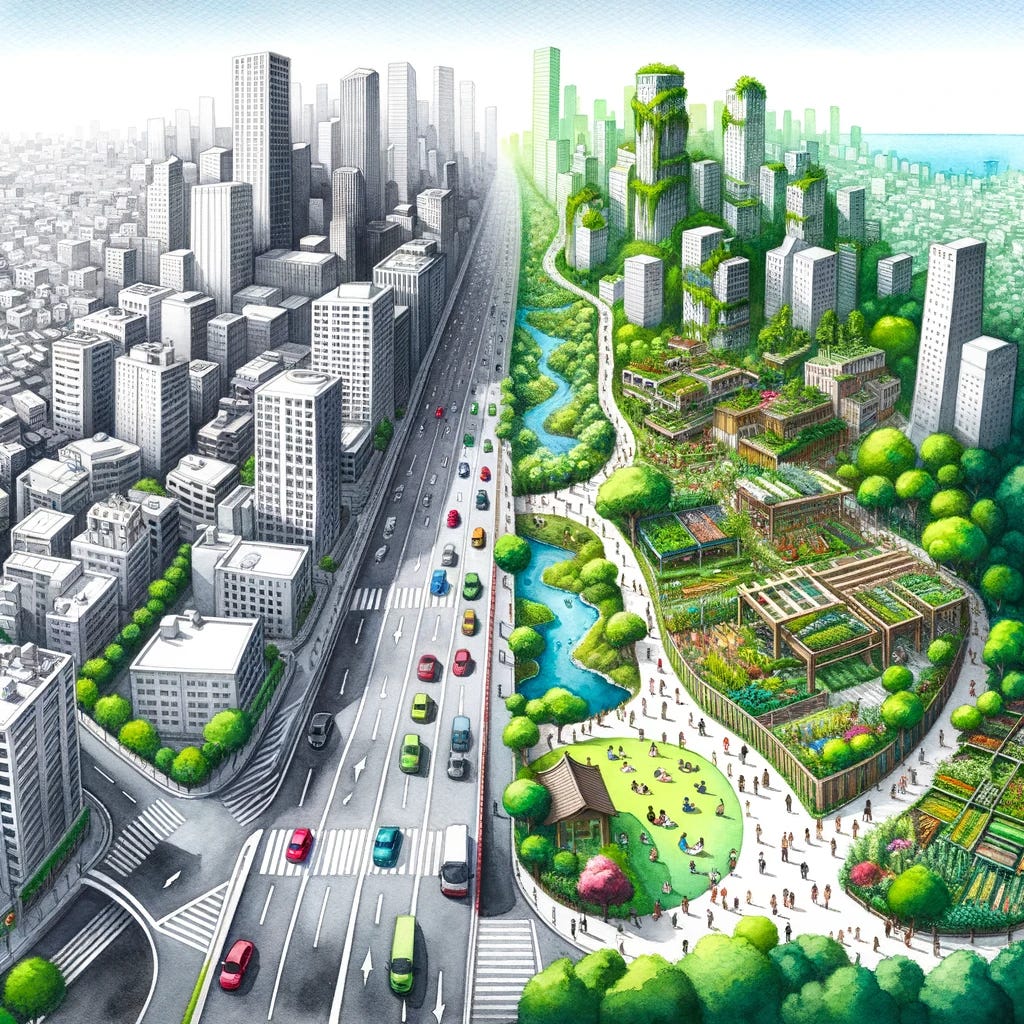
With their sprawling infrastructure and rapidly evolving landscapes, modern cities often conjure images of concrete mazes—streets lined with towering buildings and the constant hum of vehicular traffic. This urban sprawl, while a testament to human ingenuity and progress, often comes at the cost of nature. However, a green revolution is silently taking place within these steel and concrete behemoths.
Green spaces are making a comeback in pockets of land nestled between high rises, on rooftops overlooked by penthouses, and in neglected alleys turned community assets. These aren't just patches of land with a few trees; they are meticulously planned, carefully curated urban oases that offer respite from the chaos of city life.
While traditional city planning prioritized infrastructure and housing, the importance of green spaces was often an afterthought. But as cities grew and their populations surged, the adverse effects of lacking green spaces became evident. From mental health concerns tied to the lack of recreational spaces to environmental issues stemming from the absence of green cover, the need for urban greenery became undeniable.
This recognition led to a shift in urban planning philosophy. City planners, architects, and community leaders began to see the value in preserving and creating green spaces within urban confines. These urban green areas became more than beautification projects; they were envisioned as essential components of cityscapes, providing both environmental benefits and serving as communal hubs for residents.
But what exactly is urban greening? At its core, it's introducing or preserving vegetation in urban settings. It encompasses a variety of practices, from planting trees along streets and developing parks to establishing community gardens and green rooftops. These initiatives transform gray urban landscapes into vibrant, green, and sustainable environments.
The Multifaceted Benefits of Urban Greening
Urban green spaces, far from just aesthetic additions, are integral to modern cities' environmental and social fabric. Their importance stretches beyond the immediate joy of seeing green amidst concrete. Let's delve into the multifaceted benefits they offer:
* Climate Regulation: The "urban heat island" effect is well documented. Urban areas have higher temperatures than their surrounding rural areas due to human activities and vast stretches of concrete and asphalt. Urban green spaces can help mitigate this. Trees and plants absorb sunlight and release water vapor, acting as natural air conditioners. Providing shade and reducing the heat absorbed by buildings and streets play a crucial role in cooling our cities.
* Carbon Sequestration: As concerns about global warming and rising CO2 levels mount, the role of urban green spaces in carbon sequestration becomes paramount. Trees, shrubs, and other vegetation absorb CO2 during photosynthesis, effectively removing it from the atmosphere. Expanding urban forests and green spaces can serve as an effective strategy to offset some of the carbon emissions generated by urban activities.
* Biodiversity Boost: Urbanization often leads to habitat loss, affecting local biodiversity. However, well-maintained green spaces can serve as pockets of biodiversity within cities. They provide habitats for various species, from birds and butterflies to small mammals and insects. These spaces become ecological havens, ensuring that urban areas continue to thrive with diverse flora and fauna.
* Stormwater Management: Rapid urbanization often leads to challenges in water management. Concrete surfaces increase surface runoff during rains, causing flooding in many areas. Urban green spaces can significantly reduce this runoff with their capacity to absorb water. Moreover, the soil and plants act as natural filters, reducing the pollutants entering the groundwater and enhancing water quality.
This is not an exhaustive list, and the benefits of urban greening are continually evolving as research in the area grows. However, it's evident that these green spaces are not just 'nice-to-haves'; they are essential components of urban planning and development, ensuring that cities remain livable and sustainable in the face of increasing urbanization and environmental challenges.
The Social and Psychological Advantages
The ripples of urban greening touch our environment and profoundly influence our societal and psychological well-being. While being a balm for the planet, these verdant spaces also cater to the human psyche's intricate needs and foster community cohesion.
* Mental Health Benefits: While exhilarating, the hustle and bustle of urban life can also be mentally taxing. Green spaces become sanctuaries for the mind. Multiple studies have shown that spending time in natural settings can reduce stress hormones, lower anxiety, and improve mood. The mere presence of greenery has been linked to reduced mental fatigue and increased feelings of rejuvenation. Whether a short walk in a park or a few moments of quiet reflection in a community garden, these green nooks serve as mental refuges, promoting psychological well-being.
* Community Building: Beyond the individual, urban green spaces play a pivotal role in knitting together the fabric of communities. Community gardens, especially, emerge as spaces of collaboration and connection. Residents, transcending age and background differences come together to plant, nurture, and harvest. This shared sense of purpose and achievement fosters community bonds, turning neighbors into friends and collaborators.
* Recreational Opportunities: In an age where sedentary lifestyles are becoming the norm, urban green spaces offer a welcome avenue for physical activity. Parks become grounds for jogging, yoga sessions, or just playful romps. While promoting physical health, these activities also offer opportunities for social interaction, making them doubly beneficial.
* Educational Platforms: Urban green spaces can serve as vibrant, open-air classrooms for the younger generation. Children can learn about different plant species, understand the basics of gardening, or get introduced to local fauna. These interactions with nature foster curiosity and respect for the environment, shaping informed and conscious adults.
The interplay of urban green spaces and societal well-being is intricate and profound. They are not just patches of land but hubs of community interaction, learning, and mental rejuvenation. Their presence in urban settings underscores the importance of a holistic approach to city planning, one that considers not just infrastructural needs but also its residents' emotional and psychological well-being.
Challenges and the Path Forward
While the benefits of urban greening are manifold, the journey to integrate them seamlessly into our cityscapes is not without its roadblocks. Understanding these challenges is the first step in crafting effective strategies to overcome them.
* Land Availability: As urban areas expand and populations swell, land becomes a premium commodity. Allocating space for parks, gardens, and other green initiatives often competes with the need for housing, commercial establishments, and infrastructure. The challenge lies in finding a balance, ensuring that urban development doesn't come at the cost of green spaces.
* Maintenance and Upkeep: Establishing a green space is just the beginning. The real challenge lies in its maintenance. From ensuring the health of the plants and trees to keeping the spaces clean and safe for public use, upkeep's logistical and financial aspects can be daunting. This is especially true for community gardens, which rely heavily on community involvement and can face neglect if not adequately supported.
* Local Opposition: Surprisingly, not all urban greening initiatives are met with enthusiasm. Sometimes, residents might oppose the establishment of a new green space due to concerns about increased foot traffic, potential disturbances, o…