This week, I had an epiphany: failure is worth it.
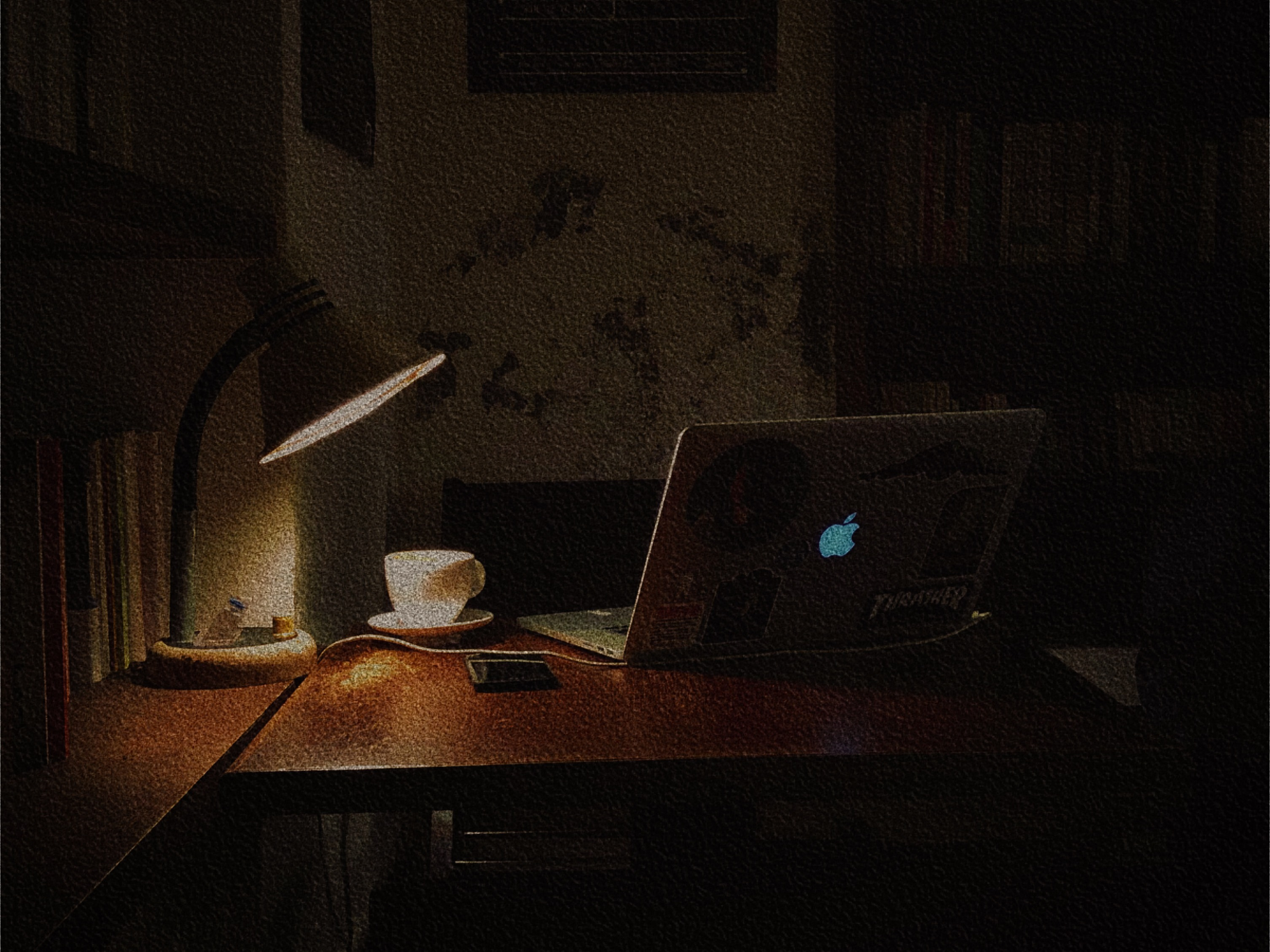
Last week, I was sitting at my laptop on a grey Tuesday morning, staring at my Substack dashboard and wondering if I was delusional. I’d just spent three days writing an essay that got no comments and one pity like from my husband. I remember thinking, Maybe this isn’t going anywhere.
Then a few days ago, I shared a note on Substack’s Notes about my two-year odyssey here. Twenty-four months, forty-eight essays, and one hundred thirty-six subscribers. Word by word. Sentence by sentence. One essay at a time, I built something real for myself.
To my stunned delight, hundreds of you responded. You said things like, “Wow, I would’ve quit by now,” and “I needed this reminder to keep going.” LOL…thank you, I think.
Early that evening, I gained twenty-six new subscribers. I was thrilled, giddily squealing at my husband like a piglet in tap shoes. He squealed back that 10% growth from 136 subscribers is incredible (he has a friendship with numbers that I don’t).
The next morning, there were 400 more. Dumbfounded, I kept refreshing my page like one of those research mice tapping a trigger for more cocaine. Between teaching barre classes, I watched the number climb: 600, 800. My thumb was cramping from repetitive strain injury. By the next morning, I had 850 new subscribers, hundreds of comments, and nearly 8,000 likes.
I lay in bed, phone in hand, barely moving, typing thank-you after thank-you.
I’d love to say I handled it gracefully, but I didn’t move for several hours. When I finally got up to hydrate, my mattress had a perfect body imprint, like a chalk outline at a crime scene. My fingers were sore. My T-shirt had small sweat halos, and I couldn’t believe the kindness pouring in. I wanted to respond to every comment personally. And I think I did.
“You should print it out and frame it,” my husband said about the viral post.
I just might. One thing I did do: I copied every comment into a Word doc—hundreds of voices chiming the same note of quiet resilience.
I wanted to understand what nerve this post had touched.
Here are a few comments that stopped me cold:
“Sometimes it makes me doubt whether I’m even worth being read. But I keep reminding myself (and us) that algorithms don’t define the depth of our writing.”
“I started two months ago and can’t seem to budge past 30 subscribers with only one person commenting on every post (my mom :D)… it’s feeling as if they’re getting lost in an abyss.…I am finding an unexposed, hidden part of me that is slowly coming alive as I write my essays. […] even if my mom is the only one listening.”
“I have the similar issue with my writing… sometimes I feel like I’ve done something wrong. But just keep in mind, writing is not a wrong thing, even if I am the only person who wants to read my essay, I will keep writing. If I don’t like mine, who will?”
Writers shared stories of unspoken doubts, painfully slow growth, and the “is it worth it?” moments when they almost quit but didn’t. So many of you mentioned feeling like ghosts in your own work, as if you’d been screaming into a canyon with no echo. You wonder if your words even matter. So many of us are quietly pushing forward, convinced no one is listening.
That’s when it hit me: my note went viral because I had admitted to the absence of outward success, and it didn’t matter because it was nourishing me. Eight hundred and fifty of you said, “Me too.”
Growth Happens In Silence
So many of you echoed that writing consistently helps you find your voice, gain confidence, and show up authentically.
“Keep going” became a chant across the comments—a quiet rebellion against the idea that only viral things matter. Clearly, I’m not the only one ready to flip metaphorical cars and light dumpsters on fire in protest of our success-metric-driven culture.
One Substacker commented:
“It’s been therapy for me. All those times with family and friends where I’ve had to shut my mouth because it’s the political right thing to do are balanced out with the truth that we are free to express here.”
The act of writing for ourselves is enough, I heard us say.
I’ve been thinking a lot about that this week. If a writer writes in a forest and no one is around to read their work, did the writer really write? You recognize the question: if a tree falls in a forest and no one is around to hear it, did it really fall?
It’s something my dad used to ask me (drive me crazy with) when I was a kid.
And I finally have an answer.
Yes, the tree fell, Dad.
The writer wrote.
And I did overshare on the internet, even if no one saw it.
Our writing matters because the process changes our inner landscape. Each essay is a small seed—unimpressive on its own, but over time, it grows into an entire forest.
That’s what this practice has been for me: slow, steady growth that roots deeper than likes or vanity metrics ever could go.
We think nothing is changing when the numbers don’t move, but beneath the surface, everything is shifting. Your capacity to hold thoughts and connect ideas is expanding. Your ability to admit hard things aloud is increasing. Your b******t meter is tuning. Your humour is opening up.
kitty knorr (one of my favourite internet artists) said in a recent video on her Patreon that:
“…failure is a form of heartbreak that cracks open our hearts and the walls we build around ourselves.”
I keep thinking about that, how failure breaks down our defences just enough to invite something softer to flow in. Vulnerability, openness, reflection and humour even. When you’ve got nothing to lose, you’re free to be all these things.
There are so many unseen gifts when we commit to a consistent creative practice regardless of the size of our audience.
If you need help finding consistency, you might enjoy a recent Instagram video I made about why I recently started tracking my writing (for the dopamine effects).
I also wrote an essay, Why I Love Logging My Words, Workouts and Rhythms, about how I started tracking my dance practice, my mental health, my workouts, and the books I’m reading alongside my thoughts about them. The newest one is a log of interesting words and phrases I come across. The latest entry: “mythically damned.” Thank you, Cintra Wilson.
So How Do We Stay Motivated?
On days when my self-esteem dips and the onslaught of negative voices is hard to ignore, I remind myself why I write.
What do I love about writing, even if no one sees it?
A few quick observations from a stream-of-conscious free-write:
I love being alone with my thoughts early in the morning. There’s a cup of coffee beside me, the rhythmic sound of my dog breathing nearby after a morning snuggle, and the soft sounds of my husband starting to stir in the next room.
I love the quiet of those hours, when I’m still halfway between dreaming and waking. I love how I can fall into a flow and, for a few minutes, everything in the world feels okay. Writing has been the gentlest, most cathartic part of my life. It’s a kind of self-made studio space for my mind to play and dance on the page.
I love how ideas deepen when I stay with them—how they reappear later in podcasts or conversations, as if the world is joining the dialogue. Writing makes my life feel textured and alive. It makes every encounter, even with strangers, part of one long conversation with myself.
I love how writing is therapy. It’s where I come to know my own mind, to validate my experience when the external world reflects superficial values. I love how it lets me say the unsayable and edge into risky, raw places.
Writer Jeannine Ouellette calls this “hot writing.” She says, “Writing hot is cathartic, yes, but it’s also generative: it gives us access to material that otherwise might remain locked inside us.”
Writing isn’t just expression. It’s a conversation between who you are and who you’re becoming. Every sentence says, “Here I am,” and the moment it’s written, you’ve already changed.
Meaningful work isn’t always going to be reflected in the numbers; it’s in the quiet act of making something.
Maybe the work that shapes us most is the kind no one sees. And if this essay only reaches twelve people and one of them is my husband, that’s fine too.
I want to leave you with a few prompts to dig deeper, to perhaps deepen your relationship to your craft. Pull out a pen and journal and stream-of-consciousness write to the three prompts below (My responses above came from them).
✨ If you’re feeling like quitting, try journaling on these three prompts:
1. What do I love about creating, even if no one sees it?
2. What tiny proof have I already given myself that I’m growing?
3. How do I want to recommit to my voice right now?
A Small Library for the Days You Want to Quit
And if you want some inspiration, here are a few writers (on and off Substack) who’ve helped me keep going.
· Ulrich Schaffer (Sacrifice, The Books of Rights) *Listen to our conversation about heart work here.
· Anne Lamott (Bird by Bird)
· Julia Cameron (The Artist’s Way)
· Steven Pressfield (The War of Art)
· Cintra Wilson (Cintra Wilson Feels Your Pain)
· Sarah Selecky (Story is a State of Mind)
· Jami Attenberg (Craft Talk)
· Jeannine Ouellette (Writing in the Dark)
· Suleika Jaouad (The Isolation Journals)
· Elizabeth Gilbert (Letters from Love, Big Magic)
· David Whyte (Constellations)
· Emma Gannon (The Hyphen)
· kitty knorr (also, check out her brilliant insights on creativity on IG)
· Roxane Gay (The Audacity)
A Little About Me.
Since there are so many new faces here, I thought I’d reintroduce myself—
Hi! I’m Ashley Evans, and this is Wannabe Wisdom: Diaries of a Fake Guru.
I’m an artist, writer, actress, dancer, barre instructor and full-time human. After waiting too long to share my work, I’m here to help other creatives (and non-creatives) commit to their full expression. I believe our purpose is to bloom, just like a flower. Did you know unopened rosebuds are called bullets? Suppressing your expression is its own quiet annihilation.
I write for the deep feelers, the late bloomers, the overthinkers—the ones still learning to trust themselves.
Here, you’ll find stories, reflections, and creative pep talks for the days you feel like giving up. Reminders that slow growth is beautiful…and natural. That small progress adds up.
Happy Monday! Do hit the <3 if you enjoyed this post :)
Evolving loudly. With love + rebellion.—Ashley
Check out last week’s article: It’s all about how procrastination is a signal pointing to something we don’t want to feel. And when we listen to it, we can find our way back in.