Ecclesiastes 3:1-8There is a time for everything, and a season for every activity under the heavens: a time to be born and a time to die, a time to plant and a time to uproot, a time to kill and a time to heal, a time to tear down and a time to build, a time to weep and a time to laugh, a time to mourn and a time to dance, a time to scatter stones and a time to gather them, a time to embrace and a time to refrain from embracing, a time to search and a time to give up, a time to keep and a time to throw away, a time to tear and a time to mend, a time to be silent and a time to speak, a time to love and a time to hate, a time for war and a time for peace.
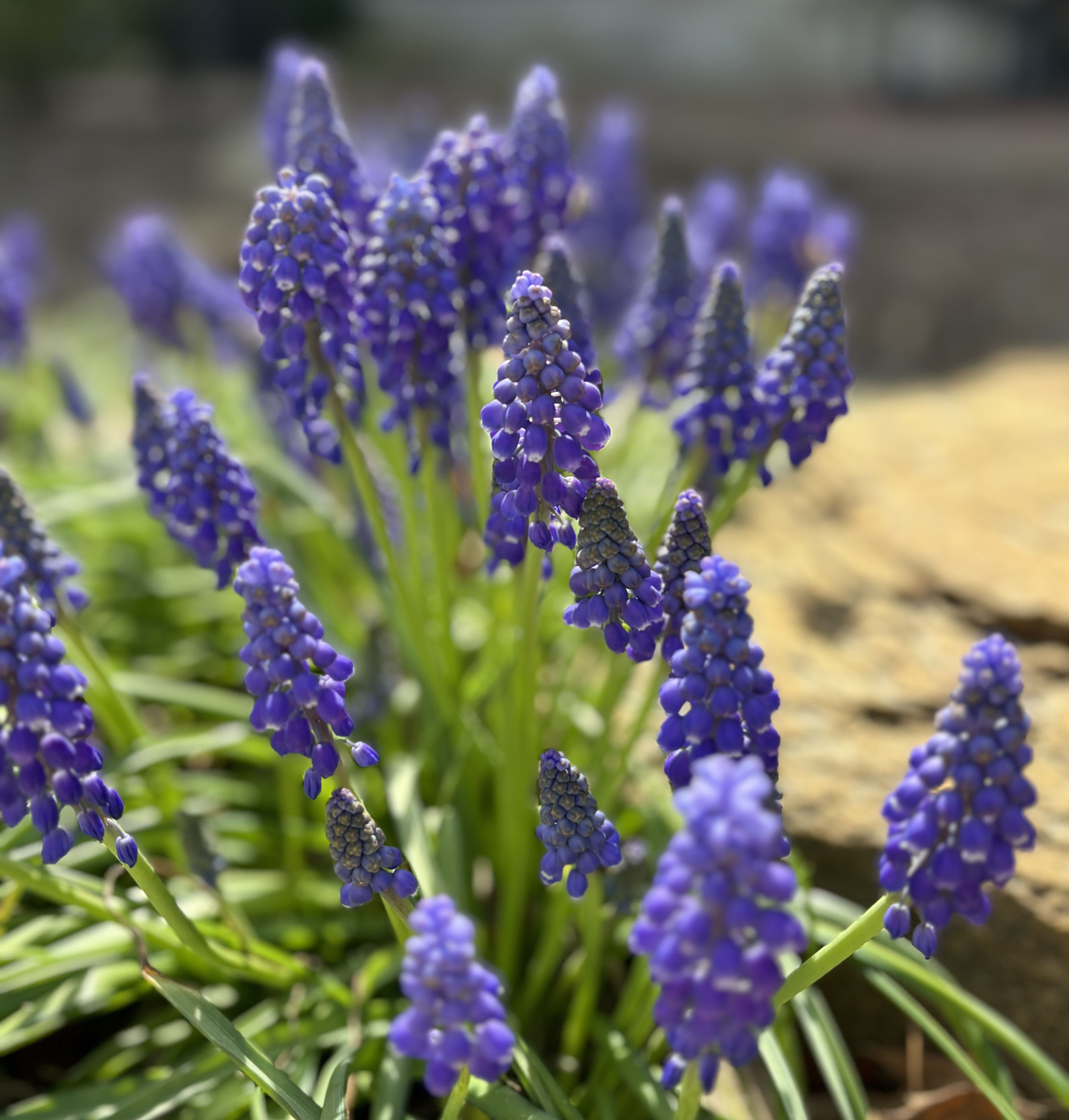
Seasons always change. I’ve grown up in the Midwest, and if there is something that is consistently inconsistent in life, it’s the changing of the four seasons we experience here. Sure, there’s always a winter, spring, summer, and fall. But each year varies greatly on how early or late each season comes. Each year varies greatly on the extremes of how hot or cold it gets. Sometimes we have a lot of rain and snow, sometimes we have almost none. I praise God for the four seasons and for the blessing it is to experience such extreme changes each year—it reminds me how complex our great Creator is. Right now in Indiana we’re getting to experience the change from winter to spring, and I’ve been trying to enjoy the Creator out in His creation as much as I can. (Today’s picture is one I took on a lunchtime walk this past week!)
The Midwest’s changing weather seasons are a great analogy to the seasons, or phases, of life we experience. Things never stay the same. Change always comes. Even though we may at times be able to see what changes are coming, that’s not always the case—and when we know what change is on the horizon, that still doesn’t mean it plays out the way we expect it to.
This next series of newsletters I’m writing is titled “Changing Seasons,” and my desire is to comb through Scripture for truths to help during the periods of change that inevitably come into our lives. I wanted to study and write about this because I’m about to experience some pretty big life changes of my own, and I love sharing what God is teaching me in my current circumstances. I don’t think I’ve ever purposely prepared for a change of life season as intentionally as I am now, so the desire to be grounded in God’s Word during this preparation has been at the front of my mind. (I plan on talking more about this specific life change in upcoming posts, but I just wanted to share that my husband and I have decided to become foster parents.)
My goal for today’s post is just to introduce this topic while also hammering down this fact of life—change always comes. The opening verses of this post, Ecclesiastes 3:1-8, are a great biblical reminder of this fact. If you have time, take a minute to go back and read them again for yourself.
Isn’t it amazing how relatable those verses are to each of our own lives? Consider the different major phases of our human development: infancy, childhood, teenage years, young adult, adult, middle-aged, elderly. Now consider some of the different roles we often experience throughout life: child, student, employee, spouse, parent, retiree, grandparent. Also consider the different emotions that are common to all: happiness, sadness, anger, disappointment, grief.Each of us goes through several of these “seasons” to some extent, yet for each of us those seasons can look wildly different. We may know which one is coming next, but that’s about all we can know. Some of us work really hard to prepare for these different life stages, but no amount of preparation will guarantee a specific, unchangeable outcome. But the fact of life remains the same: change always comes,no matter if we like it or not.
I’m really thankful that God inspired these verses from Ecclesiastes 3 to be written. King Solomon wrote the book of Ecclesiastes as a reflection on where true purpose in life comes from—not from worldly pleasures and passions, but from the wisdom of God. His reflection in this book really highlights the highs and lows of living for oneself (see Ecclesiastes 1:13, 17 and 2:3). Even though God had granted Solomon wisdom greater than any other man had ever possessed (1 Kings 3), Solomon still chose to pursue happiness and purpose in the things of this world—through many wives, offering sacrifices at pagan places of worship, pursuing knowledge, and in enjoying the worldly riches of his kingdom. The conclusion that Solomon comes to at the end of Ecclesiastes, after seeking out the purpose of the human life extensively, in 12:13-14 is this:
Now all has been heard; here is the conclusion of the matter:Fear God and keep his commandments, for this is the duty of all mankind.For God will bring every deed into judgment, including every hidden thing, whether it is good or evil.
In the end, the reader of Ecclesiastes comes away seeing how pursuing any purpose in life other than to love and serve God will result in “nothingness” and “meaninglessness.” This is true for our purposes as we seek to handle the changing seasons of life as well. If God is not at the center of our preparation for and reactions to change, then our efforts will be meaningless. Thus we must make sure we seek God’s wisdom and His ways as we prepare for and experience change.
Now, while the book of Ecclesiastes specifically addresses the ideas of seasons and change in this world, you can’t go to the Bible to find a lot of verses directly talking about “life change.” I know I’ve said this before (and I’m not the first person to say it), but we have to remember that just because Scripture doesn’t use the same modern phrases we do, that doesn’t mean it doesn’t have a lot to say on a specific topic. I believe there is an immense amount of wisdom and truth found in Scripture that can aid and guide us as we deal with inevitable change.
Some of the topics I plan on addressing in this series include finding contentment in waiting for change; accepting the hardness of change; grieving the loss of past seasons; anticipating the joy of what’s new; and how to prepare well as we go through life changes. I hope you join me as I look at how God’s Word speaks to these issues over the next several weeks!
I wanted to end with one final verse from Ecclesiastes, to remind you that even though we don’t always like change, even when we can’t control it, and even when it’s hard, we have a sovereign and good God in and over it all:
Ecclesiastes 3:11He has made everything beautiful in its time. He has also set eternity in the human heart; yet no one can fathom what God has done from beginning to end.
Thanks for reading Speaking Truth! Subscribe for free to receive new posts and episodes.