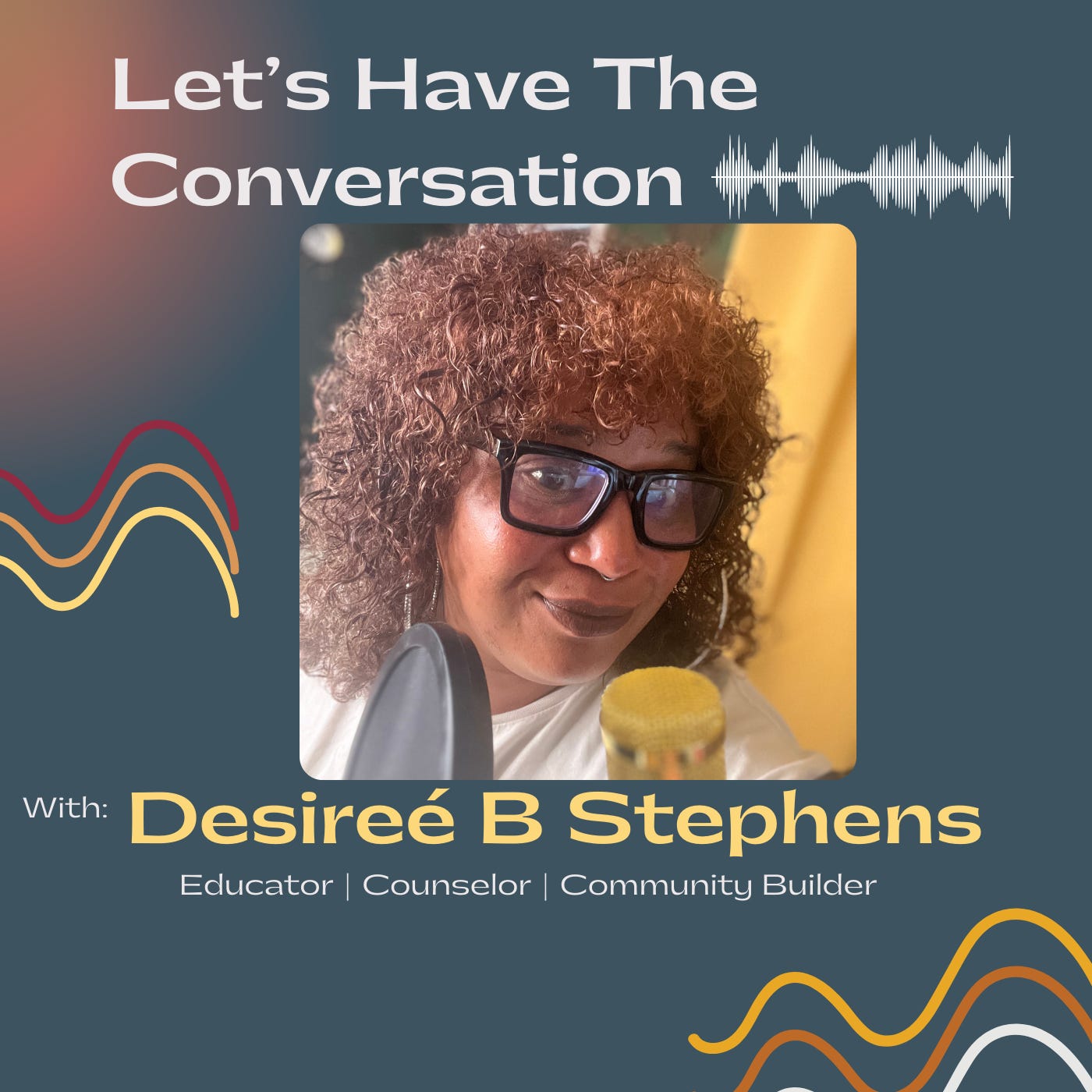
This is a free preview of a paid episode. To hear more, visit desireebstephens.substack.com
What does it take to disrupt systems that have been designed to recycle themselves for centuries? In every era; from the Gilded Age of robber barons and racial terror, to our age of billionaires and corporate rollbacks, people are asked a choice:
Will you be brave, or will you be comfortable?
This conversation challenges the illusion of progress, showing how conversations keep looping, power keeps consolidating, and the “compromises” of yesterday still echo in our politics, workplaces, and communities today.
Let’s Dismantle
1. History Repeats Because Systems Replicate
The Gilded Age wasn’t just an era of wealth; it was an era of masks, gilded coverings hiding exploitation. Behind the gold was violence, suppression, and compromise at the expense of liberation.
The same scripts play out today: calls for patience, promises of reform, and “healing” that skips over accountability. These cycles are not glitches—they are design.
2. Comfort is the Currency of Moderates
Many choose comfort over bravery, protecting reputations, feelings, or access rather than justice. Comfort feels safe, but it is an illusion, masking collapse.
Whiteness polices itself through sacrifice, offering up symbols or even lives to preserve hierarchy. As I mentioned in the live: comfort isn’t neutral; it is complicity.
3. Bravery as Liberation Praxis
To be brave is to interrupt cycles. It means refusing nostalgia, risking discomfort, and stepping into transformation. Bravery is not loud posturing; it is quiet accountability.
In self, home, and work—the pillars of intentional community—bravery looks like boundaries, truth-telling, and refusing the false peace that compromise offers.
The Reframe
It’s not history we’re fighting, it’s design. The question is not whether you can escape the loop, but whether you are willing to stand brave enough to rewrite the script.
Bravery is shifting from theory into praxis. It is saying:“I will not trade my liberation—or yours—for the illusion of peace.”